JUF and You

Subscribe to JUF's
e-mail newsletters:

The Guide
The Guide to Jewish Living in Chicago
offers a comprehensive, up-to-date listing of Chicago-area Jewish organizations, resources, products, and services.
Memorials & Celebrations
Celebrating, rejoicing or sending love to a friend in need? JUF has a card or certificate designed just for you.
E-mail this page   E-mail this page      Print this page   Print this page      Bookmark and Share

New book revisits the power of dreams as revelation

In The Know
Rodger Kamenetz

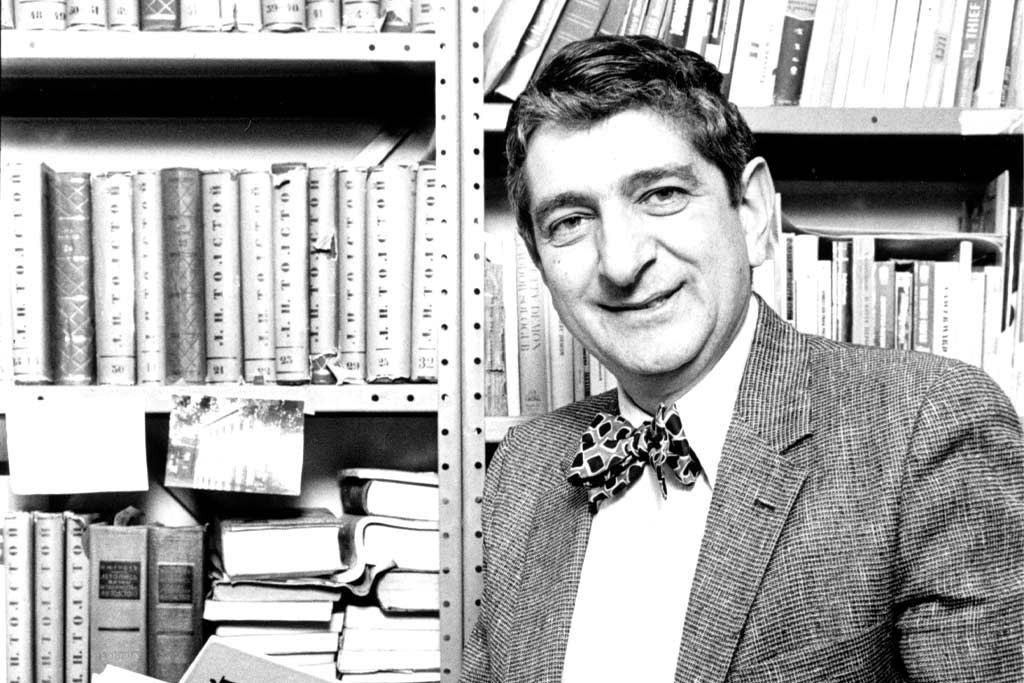
Author/poet Rodger Kamenetz recently discovered that Fidel Castro is his neighbor. And Kamenetz once steered his car directly into oncoming traffic. Another time, the writer even studied Talmud with his father—after his father’s death. No, none of these scenarios happened to Kamenetz while awake but, rather, in his dreams.

When Sigmund Freud drew attention to dreams a century ago, he introduced the dream theory of interpretation, asserting that dreams are puzzle pieces of our waking lives. Yet in Kamenetz’s new book, “The History of Last Night’s Dream: Discovering the Hidden Path to the Soul,” he reexamines questions about our night visions that once seemed a closed chapter. The author—best known for his book “The Jew in the Lotus,” which chronicles the historical dialogue between rabbis and the Dalai Lama—cautions us not to interpret the meaning of images in our dreams through words. He says that such interpretation stymies the potential insights dreams can offer us, by dismissing them as mere anecdotes to tell in our waking lives rather than recognizing them as revelations of intensely meaningful truths about ourselves.

Learning from an octogenarian female kabbalist in Jerusalem, a Tibetan tulku in Copenhagen, and a postman/dream master in Vermont, Kamenetz outlines in his book how we lost the power of the revelation dream to the theory of interpretation in a history that starts with Genesis and ends with the modern pioneers of dreams, Freud and Carl Jung.

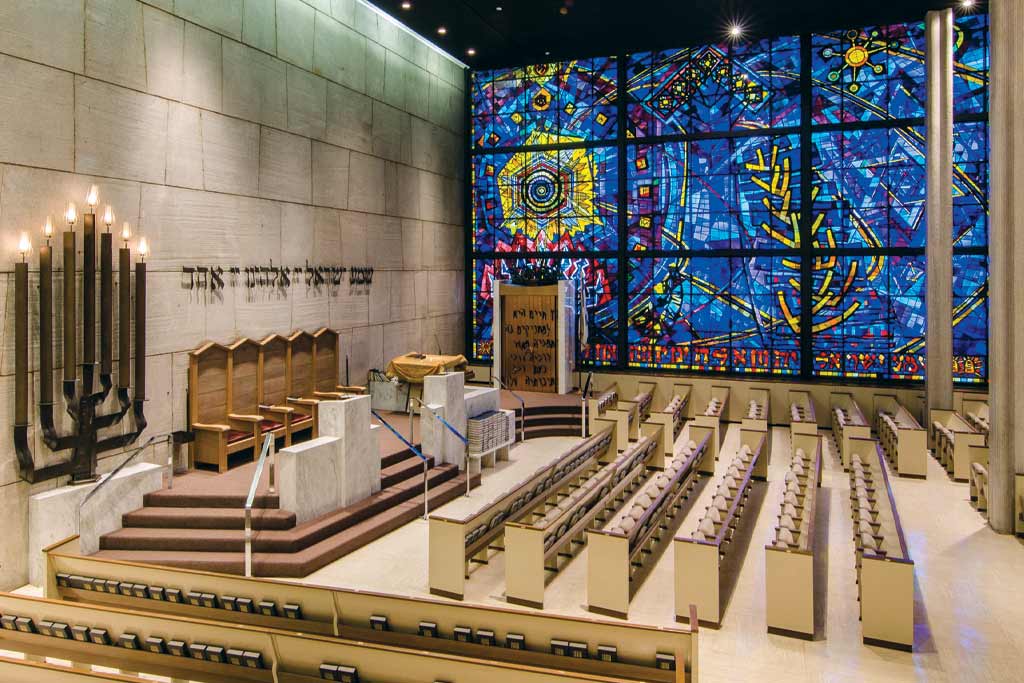
A professor of English and religious studies at Louisiana State University in New Orleans, Kamenetz will appear at a free lecture and book signing on Wednesday, Oct. 10, at 7:30 p.m. at Temple Sholom of Chicago on the topic of “The Case of the Disappearing Dream: From Genesis to Freud and Jung.” For more information, call (773) 525-4707 or visit www.sholomchicago.org.

In an interview with JUF News, Kamenetz expounds on how our dreams act as windows to our souls.

JUF NEWS: Why did you write the book?

Roger Kamenetz: I wrote it because I’ve always been interested in dreams. I understand that dreams have a hidden power. I’ve had big dreams and think most people have had big dreams, dreams that threaten to change their lives. I wanted to understand how a dream can be so powerful, intelligent, and knowing.

Why do you say its problematic to interpret dreams, to turn our images into words?

If dreams are intended as powerful messages to help us change our lives, too often interpretation is simply a way to reverse the flow and cover over the message. The first dream in the book of Genesis is Abimelech’s dream, where God tells him, “You’re a dead man,” pretty powerful stuff. If Abimelech awakened and interpreted the dream and said, “I saw a movie last night and somebody said these words and that’s why I dreamed it,” the interpretation would undo the effect of the warning. Interpretation tries to ameliorate the dream, we want to feel good, and we don’t want to hear any bad news.

What do we do with dreams if we don’t interpret them?

It’s so deeply ingrained in us that as soon as we have a dream, we interpret them, which goes all the way back to the book of Genesis. I call it a cultural reflex—it’s so deep in our response that we assume it’s the only response. In the book, I give the biblical example that Joseph has this dream that he is a sheath of wheat and the other sheaths bow down to him. He does not interpret the dream even though he is the great dream interpreter. He simply lives with it until 22 years later, and then it comes true. The alternative is to abide with the dream, and not to interpret it too quickly. We may miss the really important meaning of the dream; it may be showing us a bigger picture than we know. That’s the point, to show us a bigger view of life, of the soul, of human beings, than our conscious minds are aware of.

What types of dreams arise in Genesis?

In terms of revelation, Jacob’s dream is a big one. In that dream, he sees heaven and earth, he sees God’s angels, and he sees a connection between them, which is a ladder…Through the work I do with dreams, there are three kinds of revelation dreams: one is the warning where you find out what you’re doing wrong…there is the dream where you get a picture of our soul, how God sees us…and the third type is where you explore this whole realm of the non-material world, of the world of revelation. Those are the three kinds of revelation dreams in Genesis and I think they’re still real today.

Why should we listen to our dreams?

I once dreamed that I was on my deathbed and I was reciting my resume. That one didn’t require interpretation; it required action. I thought all of the stuff I was doing is important, but I was being foolish and [the dream] was a wakeup call. That’s an example of how you can learn from dreams and how they are worth paying attention to. They can be so blunt and so uncompromising. Dreams have an honesty that we don’t get anywhere else. We’re wasting this incredible resource.

What do you hope people take from this book?

The key message I hope to get across is that you can change your life by paying attention to your dreams…Dreams inform and shape the soul.

Posted: 10/8/2007 11:01:16 AM

Content Rating

  Average 0 out of 5