“Why are all these grownups here?”
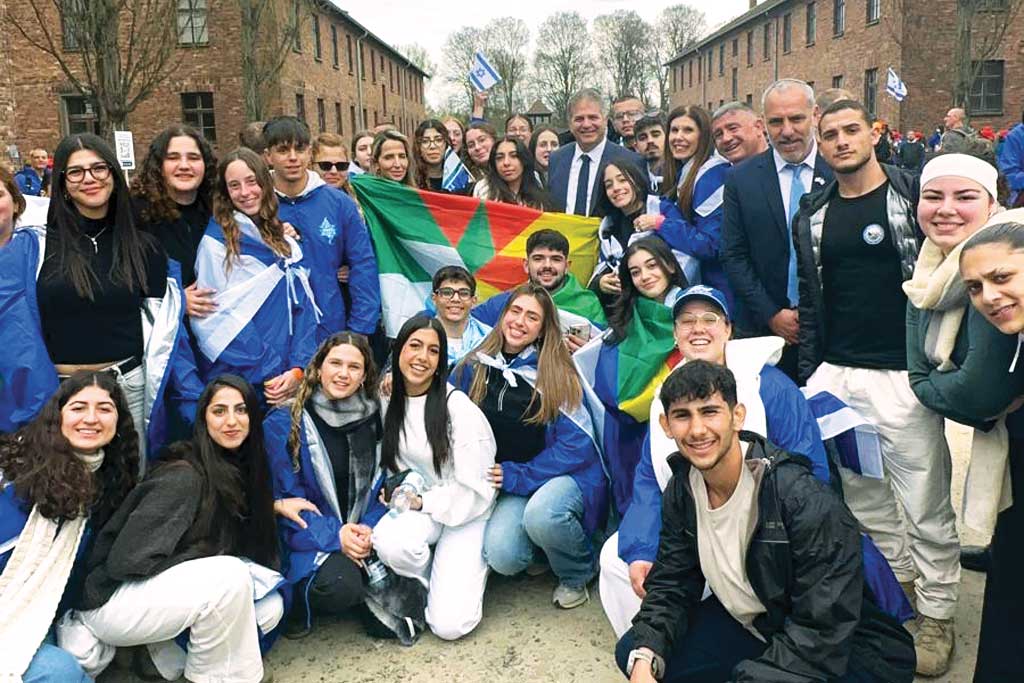
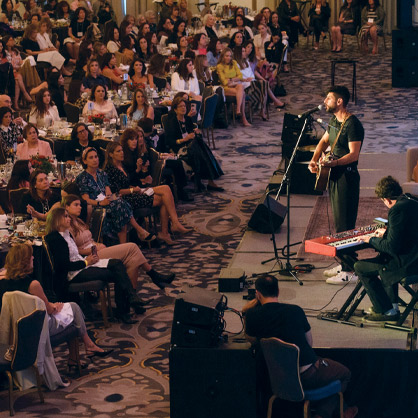
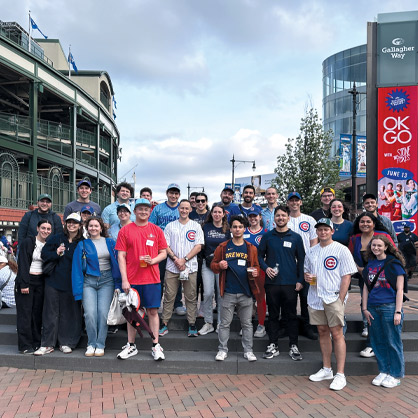
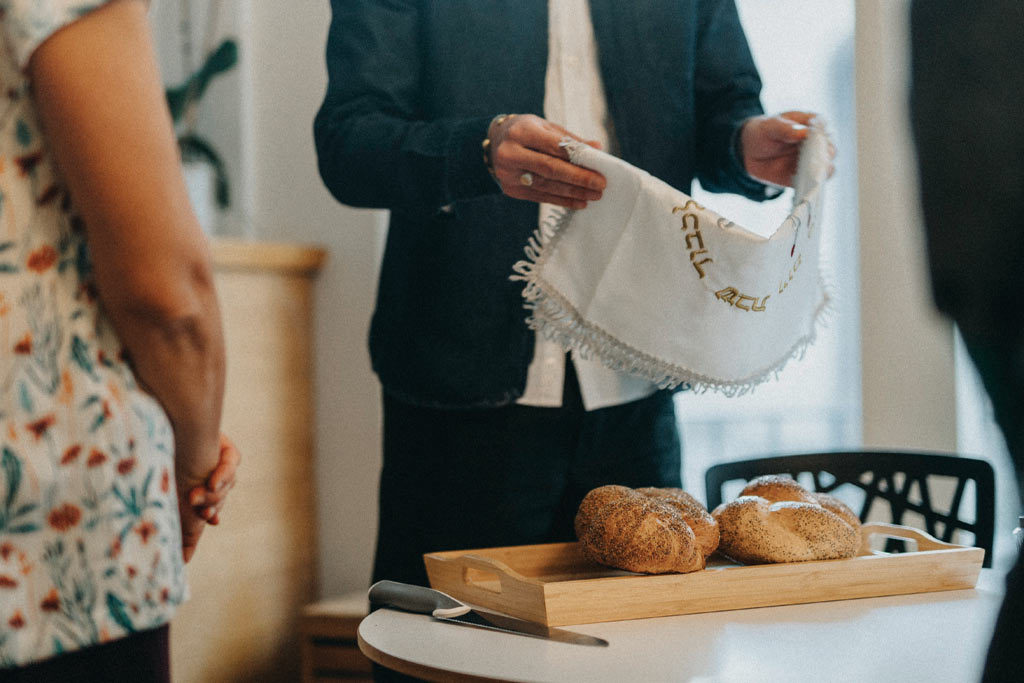
That’s the first question that pops into the minds of many Northwestern students when they enter Fiedler Hillel’s High Holiday services. Hundreds of students attend Reform, Conservative, and Orthodox services, as one would expect at a school where around 20 percent of the undergraduates are Jewish.
They are joined by hundreds of faculty, administrators, alumni and other community members. And to a student who wasn’t expecting them, the presence of “grownups” can feel jarring at first.
From within that confusion arises a powerful life lesson. But the presence of “grownups” shows our students that we never stop asking the basic questions of the High Holidays: What do we want our story to be? And how can we do better this year?
By their presence mature adults model Jewish adulthood for our students, reminding them that they are not alone as they wrestle with life’s big questions, and that there is a community to support them as they enter the world of adult possibilities and adult responsibilities.
Just by their presence, members of the wider community assume the crucial role of mentorship. Some cultures call mentors “elders,” the wise people who patiently, lovingly initiate young people into society. They may be coaches or teachers or a senior employee. Yoda from the Star Wars movies, perhaps. Or Moses’s father-in-law Jethro.
A mentor helps young people find themselves and become contributing members of families, workplaces, and communities. Mentors help them explore the questions of the High Holidays, and help them figure out what they want their story to be.
College students have the world laid out before them, full of possibility and promise. Their story could go anywhere. Any city, any country, any continent. Any field, any profession. Any life partner. Any community. Any faith.
How do they sort it out? How do they determine what commitments to make, what communities to live in, which people to partner with? How do they discern what is of value, and what their story should be?
Mentors reassure them when the possibilities become overwhelming, or when the work seems so great that they don’t know where to start. And through their own example, mentors show them a path through the thick forest of life that lies ahead.
“Good mentors help to anchor the promise of the future. As young adults are beginning to think critically about self and world, mentors give them crucial forms of recognition, support, and challenge,” Sharon Daloz Parks wrote in Big Questions, Worthy Dreams, her classic book on mentorship, “Mentors convey inspiration for the long haul… Mentors offer good company as young adults cross the threshold of critical thought into new questions and possibilities.”
Mentors ask big questions and show by example how life can be lived with integrity; thus one generation passes on its wisdom to the next.
High Holiday services are not necessarily where the deep work of mentorship happens. But if Woody Allen is right and ”80 percent of success is showing up,” then just by being there at the High Holidays, older adults create the soil in which the seeds of mentorship can be planted, nurtured, and grown.
As our students enter High Holiday services this year with the timeless questions of the Yamim Noraim (Days of Awe) on their minds, my prayer is that we can build a community of mentorship, a community of listening hearts and generous souls, of people of all ages who pray, learn, and grow—together.
Rabbi Josh Feigelson is Campus Rabbi & Senior Director for Educational Initiatives at Fiedler Hillel at Northwestern University. Information about High Holiday services at Fiedler Hillel is available at www.nuhillel.org or (847) 467-4455.