JUF and You

Subscribe to JUF's
e-mail newsletters:

The Guide
The Guide to Jewish Living in Chicago
offers a comprehensive, up-to-date listing of Chicago-area Jewish organizations, resources, products, and services.
Memorials & Celebrations
Celebrating, rejoicing or sending love to a friend in need? JUF has a card or certificate designed just for you.
E-mail this page   E-mail this page      Print this page   Print this page      Bookmark and Share

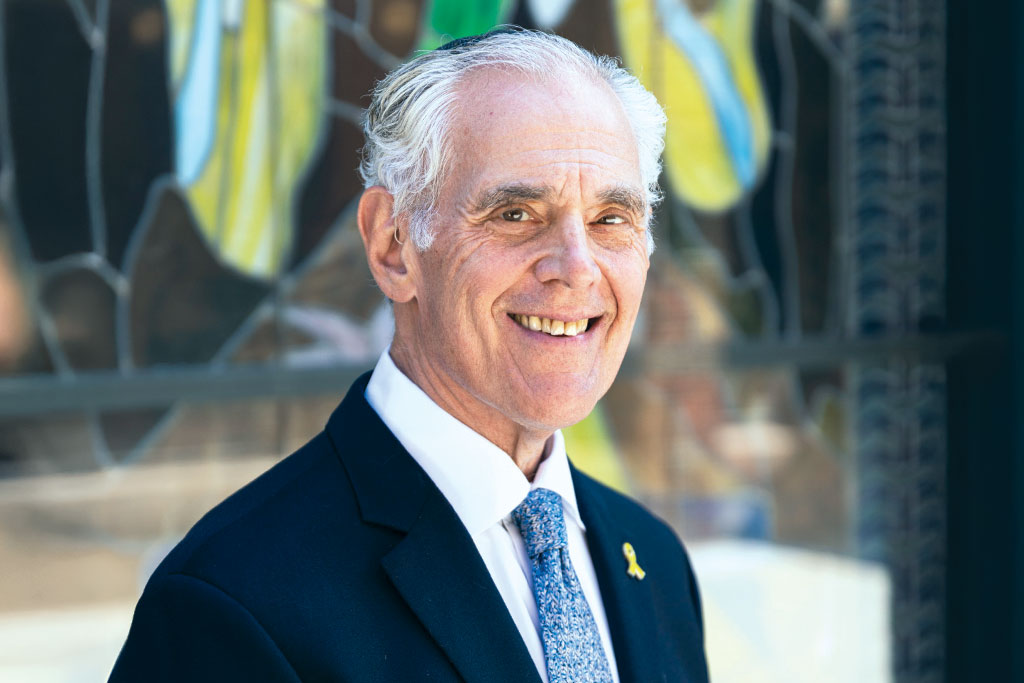
‘My heart, my passion, is about kids’

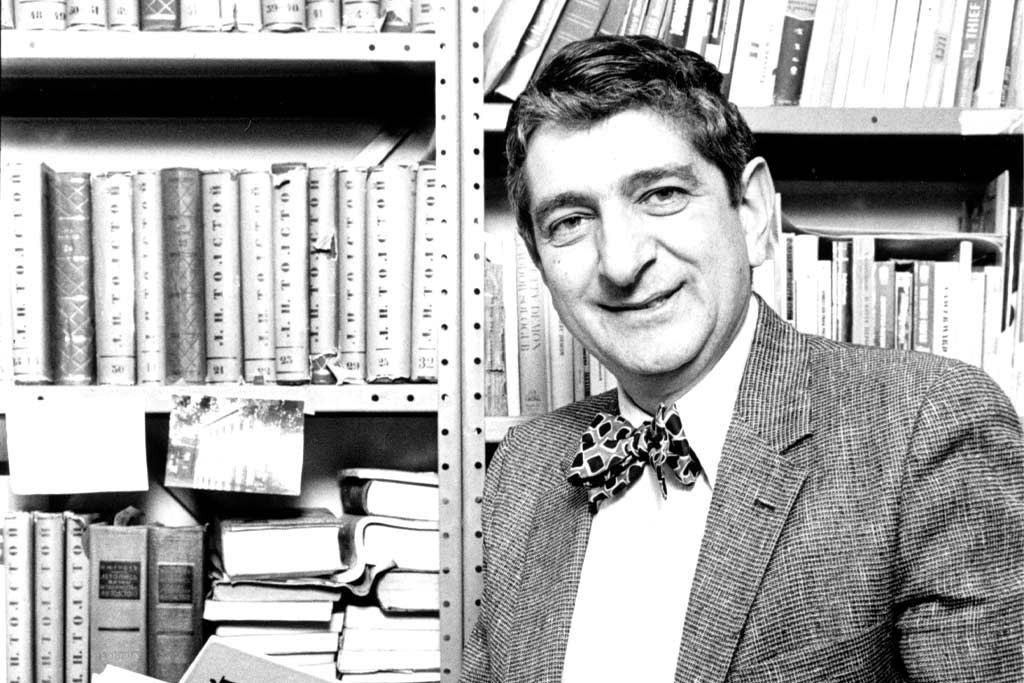
Bob Bloom
Dr. Robert Bloom

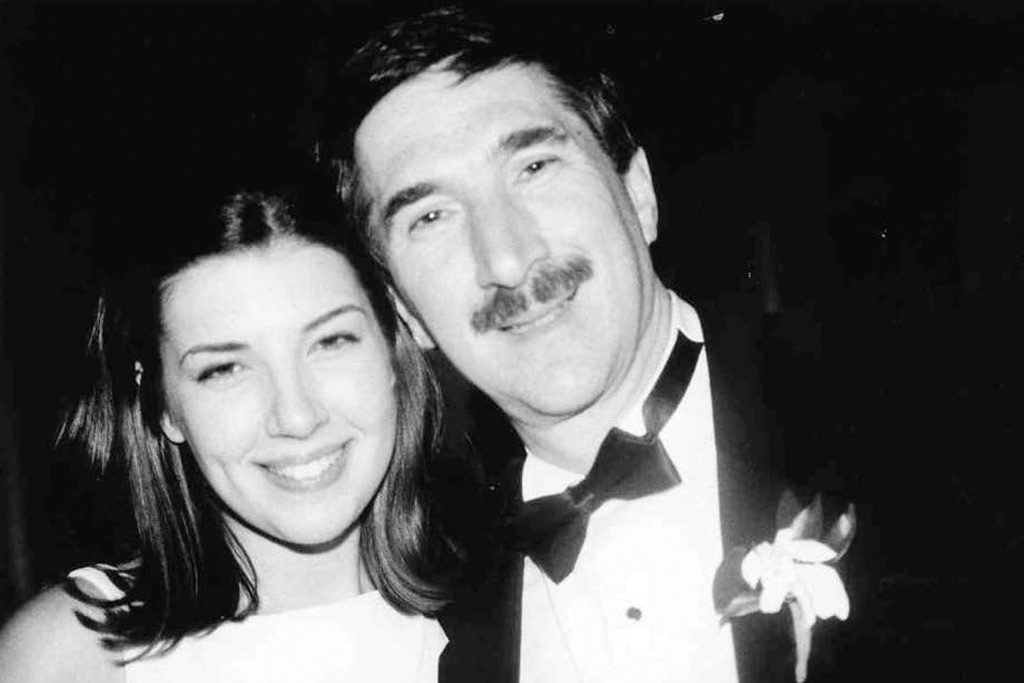
Dr. Robert Bloom, executive director of Jewish Child and Family Services (JCFS), has enjoyed a long and distinguished career serving the needs of people with disabilities, their families and caretakers, and the Jewish community. Retiring from his position June 30, he anticipates continuing to serve clients, the agency, and others who can benefit from his expertise as a leader in the field of educational and psychological services.

Bloom recently spoke with JUF News Executive Editor Aaron B. Cohen about his work, his leadership style, and his love of children. (Listen to the full, unedited interview.)

Bloom joined the pre-merger Jewish Children’s Bureau (JCB) in 1988. Under his leadership JCB grew substantially, with a budget of $22 million in 2006 when JCFS was formed. Today JCFS has an annual budget of over $32 million and serves approximately 3,600 clients.

With a lifelong commitment to do “whatever it takes to save a child” Bloom led the establishment of many innovative programs, including the System of Care Program, the Respite Program, the Migdal Oz home for adult men with developmental disabilities, the Price Group Home for Pregnant and Parenting Teens, the Early Childhood Autism Academy and the Integrated Pediatric Interventions Program. He was instrumental in establishing the Joy Faith Knapp Children’s Center, in Rogers Park and the Elaine Kersten Children’s Center on the Harry and Jeannette Weinberg Campus in Northbrook.

He earned his doctorate from the University of Minnesota and completed specialized training at Columbia and Harvard Universities.

Aaron B. Cohen: Looking back, was leading a Jewish social services agency what you always had wanted to do?

Dr. Robert Bloom: I always wanted to be a teacher. In those days if you had a science background it was pretty easy to become a teacher. But [economically] it was a struggle to teach; I had four kids. So I did odds and ends jobs, and started working in a psychiatric hospital tutoring kids.

I grew up unconnected to the Jewish community. For me being Jewish wasn’t much different than being 6’3”, having brown eyes, and black hair. But when I got to Virginia [to teach at the College of William and Mary], and there was no one like me around, it became a different issue. For the first time in my life I joined a synagogue, became active in the community, gave my first federation gift. That piece of my identity that I never thought about became important.

So you went from teaching to direct client service. What about that satisfied you?

I always had some kind of hands-on work, and I liked it. I’m energized by young people trying to learn, and coming to grips with a lot of issues, particularly kids who are having trouble. It comes out of the gut; I feel I can help kids make a difference in their lives, and I enjoy it.

What’s your approach to direct service?

I have a strange motto: the business of taking care of people is too serious to ever let it get too serious. I’ve always had a light attitude that always seems to work with kids in trouble. Nothing can ever be overwhelming. I don’t care how big an issue you think it is, my job is to help you master it and overcome it.

 I was always comfortable with the kids no one else wanted to work with. And the truth is, the last job I ever wanted in the world was to be an executive director.

What brought you back to Chicago after having taught in Virginia, and worked in Cleveland?

It was pretty funny. The JCB board interviewed me five times; they couldn’t make sense of me. I wasn’t a social worker, I really wasn’t truly a clinician; nobody knew what this educational psychology degree was. But the agency was in serious disarray and needed leadership, and somehow people thought I had that quality.

What was it like to accommodate to the “Jewish” in JCB?

I thought to myself, “you have no background in Jewish education but you have a Millsian sense of justice and democratic western principles.” So I started to meet with Rabbi Yehiel Poupko and started to learn, and became much more engaged in the Jewish community. And now I’m actively committed to service in the community.

Rabbi Poupko said something pretty life changing to me: he said in the old days the rabbi and the shul were the center of community life; education and social service all emanated from there. But as we [as a people] developed over the years those got fragmented. He said that executive directors of Jewish communal organizations have a covenantal responsibility to bring the service back to the community and integrate it with education and synagogue. I thought, “Wow.”

 I’ve done a lot of things that I hope have reflected that over the years.

When you reflect on your leadership style, clearly a sense of humor is a part of it.

My training was in group therapy and group work. I’ve always felt that an executive director is similar to a group leader. One definition of a group leader is a person who does for the group what the group can’t do for itself. And every job I’ve had, it was about teaching things to different constituencies at different times. It’s all about helping people engage in a teaching/learning process.

What “aha” insights may have come to you about how to address the needs of our community?

I discovered that the diversity in our community is daunting, and the close-knit nature of the community…. The job I didn’t want changed my life! I learned; I became a member of the community; [I became part of its] commitments and values; the friendships; the people; the board… It’s been a series of learning experiences.

What expectations weren’t met, or turned out differently than you anticipated?

Some people have asked, “what do you want to be remembered for?” I couldn’t answer the question. It’s not that I don’t have an ego, but I never thought about it that way. This is not my organization, this is the community’s organization. I’ve just been the custodian for the last 20 years.

John Colman told me, “You have a responsibility to develop leaders to take over our agencies.” So I started training executive leadership among my middle management staff; they’re all now the people who are running the agency.

I always had a good sense of the mission of the organization. I knew what the infrastructure capacity was. I knew what the board would tolerate. And I would hit targets of opportunity. I don’t have any regrets about things left undone, because I never had an agenda. It was always scan, figure out what made sense, and then move on those targets.

Has the nature of the community’s needs changed?

Our education system used to deal with kids with special needs by excluding them. That was an area that we addressed aggressively, to provide ways for Jewish organizations to hold onto kids with special needs.

In the past few years I’ve seen much more welcoming of kids, much more desire to respond. Everybody is struggling with it, but they’re realizing, they’re our kids. They don’t want to send them outside the community anymore to get services. That’s been a dramatic change; we’ve come light years in changing the exclusionary mentality, and there is much more realization that if the children can’t participate in the institutions that we care about, then the families won’t participate, and then we’ll lose them.

What does retirement mean to you?

I’ve already begun teaching—back to my roots! I’m teaching psychology and special education again. I’m going to be doing a series of management workshops at the School of Social Work at the University of Chicago this summer, starting with one on not-for-profit mergers. I’ve signed an agreement with the Alliance for Family and Children to do consulting, training and workshops.

Whatever I do, I want to be close to either the kids or the people taking care of the kids. My heart, my passion, is about kids. I’m energized by kids and people who work with kids. I’m going to help JCFS start a new transitional group home program for young men trying to move toward independence, and will continue to oversee the Rebecca Esformes Lafer and Rachel Esformes Day School-Based Special Education Program. I’m certainly not going to do the sun and beach routine.

What do you see as your greatest accomplishment?

I want to say more about the Respite program. The field that we work in, with people with mental and behavioral problems, in many ways is still a pariah field. A lot of people don’t believe in mental illness, or believe it’s a moral failure, and it’s gut-wrenching, hard work, and it doesn’t always get the recognition that it should.

Disabilities strike everybody the same way. It becomes very much a “there for but the grace of God go I” equal opportunity thing. And when particularly children have significant disabilities, historically two things happened: one was they were put in institutions because the families just wore out. To some extent that still happens with the adult mentally ill who are put in nursing homes with no treatment. And the second thing was, the divorce rates were astronomical.

I believe that life is about the little things. One of the things that enrages me is when divorcing couples say they’ll spend “quality time” with their child. Quality time with a child is when you’re walking along and you see something in nature, and stop and say, “Look at that!” It’s opportunistic. How do you plan quality time? The real value and joy in life comes from the little things and being able to do those. And that’s what gets crowded out of the lives of families with seriously handicapped members.

A woman from the North Shore said, “Thank you for the respite services. For the first time in five years I’ve been able to get my hair done.” That’s a whole big thing! From the day we started the program we’ve been oversubscribed. But we’ve never had a child institutionalized; the divorce rate is lower than the norm; and we could influence state policy so that if you’re a foster parent of special needs kids, respite serves are built into your contract. That’s a powerful thing; that feels good.

Posted: 7/10/2009 10:46:34 AM

Content Rating

  Average 0 out of 5