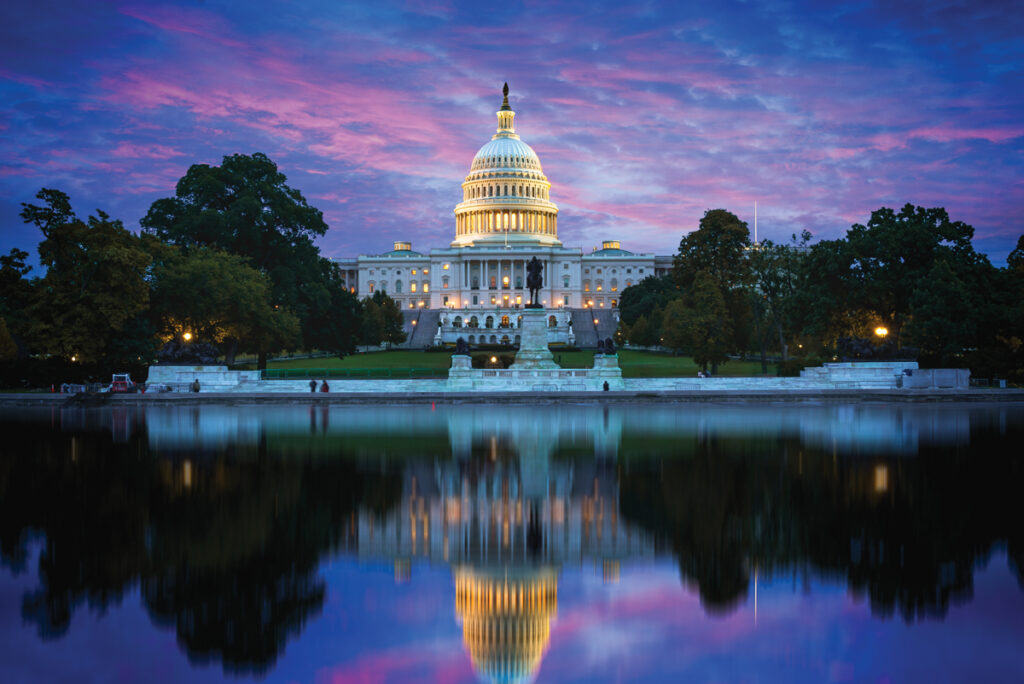
Government Affairs
On behalf of issues of importance to the Jewish community, JUF’s Government Affairs office is a catalyst for change: building relationships with government and civic decision-makers, engaging the Jewish community to add their voices to the debate, troubleshooting within bureaucracies, and lobbying in Chicago and Springfield.
Over the years, the Government Affairs office has had much success strengthening relationships with elected and appointed federal, state and local officials, as well as national, state and local coalitions and trade groups, and advocating for a variety of pressing policy and legislative issues.
Local Policy Agenda
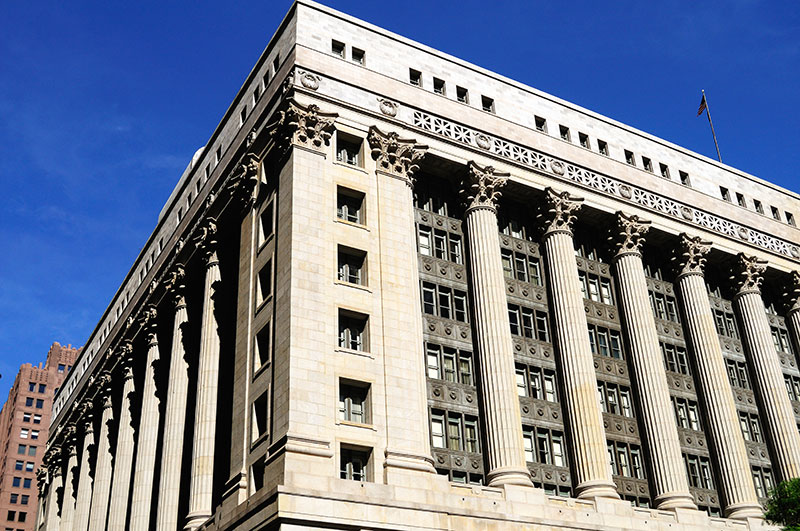
JUF’s Local Government Affairs office collaborates with municipal leaders throughout Cook, Lake and DuPage Counties around issues of concern to the Chicago-area Jewish community and JUF’s network of social service agencies.
Our priority issues [see our local policy agenda] include combating antisemitism and other forms of hate and bigotry; ensuring access to our robust network of social services, including supporting safety-net hospitals and mental health providers; educational initiatives; gun violence prevention; immigration; and many other topics that reflect the needs and priorities of Chicago’s Jewish community.
State Policy Agenda
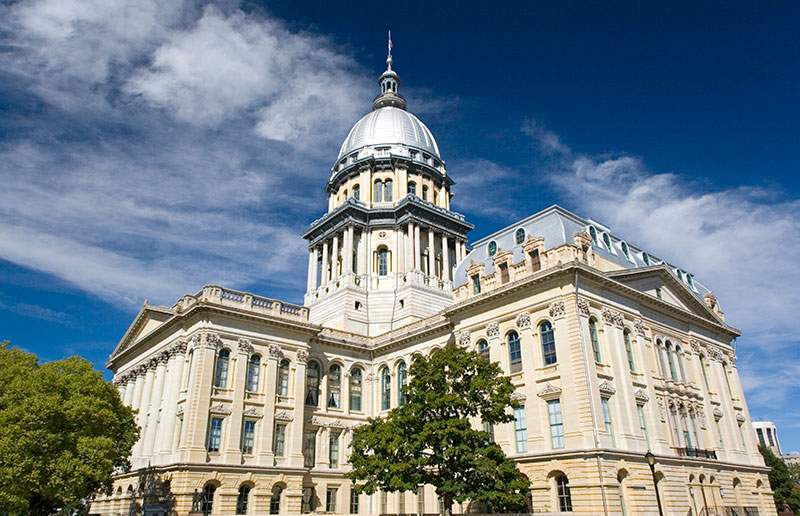
JUF’s State Government Affairs office is a catalyst for change, leading groundbreaking legislative and policy initiatives that benefit the larger JUF community. We collaborate with elected officials and government administrators around public policies, funding, and regulations. Community leaders and professionals work together to promote an agenda that builds a robust health and human service infrastructure and safer communities.
Candidate Questionnaires 2026
JUF invited candidates for IL House, IL Senate, and US House to complete a questionnaire on a variety of topics.
View Questionnaires and Candidates' ResponsesConnect with Us
Contact: [email protected] | 312 357-4770 | ChicagoJCRC on X