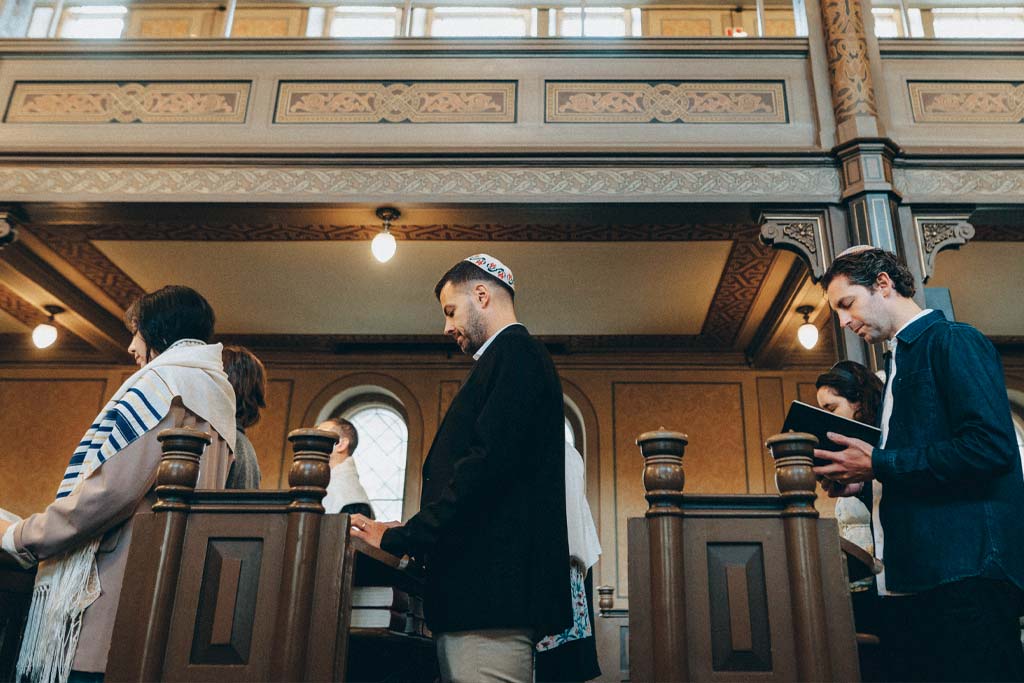
Spend enough time reading reports about American Jewish life and you might conclude that the future is bleak. We hear about declining affiliation, changing demographics, decreased giving to flagship institutions, and the challenges synagogues face in attracting younger Jewish professionals. Yet as a rabbi who regularly spends time with young Jewish adults, I find myself feeling remarkably hopeful.
My optimism does not come from ignoring the challenges. They are real. Young adults today are navigating a world marked by economic uncertainty, political polarization, social isolation, heated debate about Israel, and growing concerns about antisemitism. Many are delaying traditional milestones such as marriage, home ownership, and parenthood. And they often seem hesitant to commit to organizations of any kind.
Yet beneath these realities, I see something deeply encouraging: a generation searching for meaning.
Many young Jewish adults are asking profound questions. They want lives of purpose. They want authentic relationships. They want communities where they can be known and valued. They want opportunities to make a difference in the world. These are not obstacles to Jewish engagement; they are perfect openings to it.
The events of the past few years, particularly since October 7, have also awakened something significant. Many young Jews who may have taken their Jewish identity for granted suddenly found themselves asking what it means to belong to the Jewish people. Questions of Jewish identity, responsibility, and connection have become more urgent and more personal. And they are finding that their answers to these questions are leading them to seek deeper engagement with Jewish life.
This is where Jewish institutions and synagogues can play an indispensable role.
The greatest strength of a synagogue, for example, is not its building, budget, or programming calendar. Its greatest strength is its ability to create meaningful human connections. In an age of loneliness, synagogues can offer genuine community. In a culture of constant distraction, they can offer sacred time and space. In a society that often measures people by achievement, synagogues can remind individuals that they possess inherent dignity simply because they are created B’tzelem Elochim—in the image of G-d.
Young adults are not necessarily looking for perfect institutions. They are looking for authentic communities. They want to feel welcomed rather than judged. They want opportunities to contribute, not simply consume. They want rabbis, educators, and mentors who will engage their questions seriously. They want to be part of our remarkable tradition in a personal way.
When synagogues, and other Jewish institutions, provide those experiences, remarkable things happen.
I have seen young adults gather for Shabbat dinners and, through the celebration of this fun and often familiar Jewish tradition, discover friendships that become support systems. I have watched them engage in volunteer projects and find purpose through helping others. I have seen them wrestle with difficult questions about faith, Israel, and Jewish identity, and emerge with a deeper connection to their heritage. I have watched them create beautiful Jewish homes and begin building the next chapter of Jewish life.
It may be happening differently for this generation than the one before, but many young Jewish adults are choosing a life of Jewish values and connecting themselves to the ancient Jewish story. The challenges are real. But so is the opportunity. If synagogues and other Jewish institutions, like JUF, continue to lead with warmth, authenticity, seriousness, and a commitment to building relationships, I believe the future of young adult Jewish life is not something to fear. It is something to embrace with hope.
Rabbi Michael Schwab is Senior Rabbi of North Suburban Synagogue Beth El in Highland Park.
In this issue
-
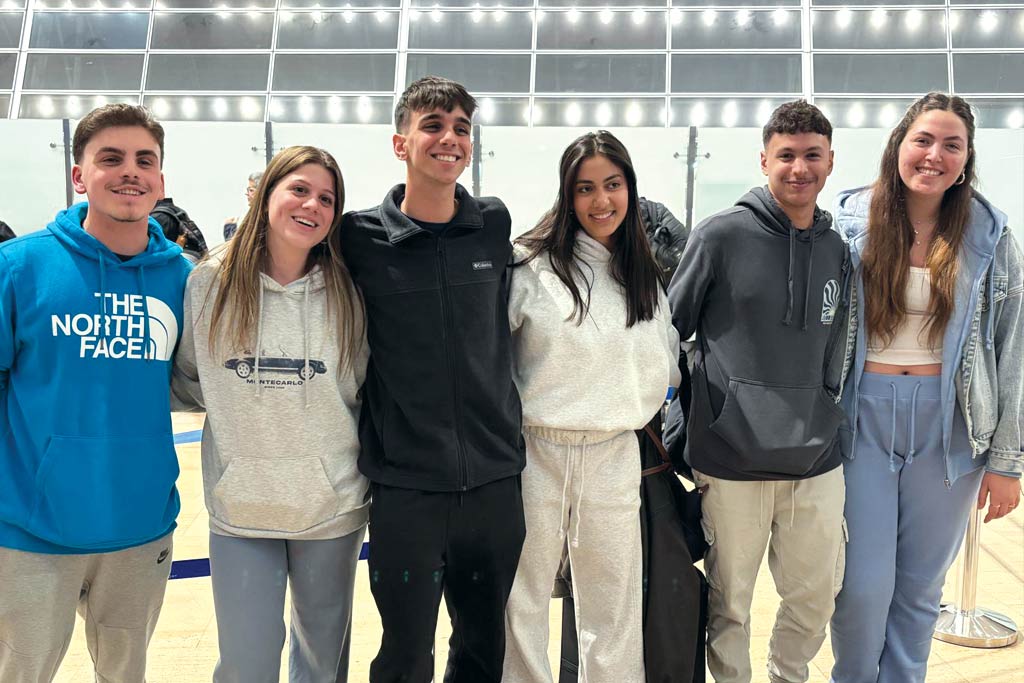
JUF to house the Shinshinim program in Chicagoland
New novel examines how Jewish ritual helps find clarity
Read more -
-

Happy Anniversary, America—from Israel
New novel examines how Jewish ritual helps find clarity
Read more