A Christian friend recently posted about “the pressures of the holiday season”: cooking a big Thanksgiving meal for a full table, all the cleanup—and then having to do it all again a mere four weeks later!
I (wisely) didn’t comment. But I was tempted to write: “Can I tell you about the Jewish holiday season??”
We start with four huge meals in 48 hours. In our Shabbat-observant home, that means no dishwasher and no last-minute grocery runs. And that’s only Rosh Hashanah. A week later: another big meal, a 25-hour fast, then a meal right after. Then we build a house, a temporary one, like a manger on a mantel, but life-size. In the life-size manger we host another 48 hours of meals, then five days in between, then another 48 hours of meals. The whole season spans less than four weeks!
Now that’s holiday pressure!
We Jews are good under pressure.
And our next Chanukah is a holiday that’s actually about pressure.
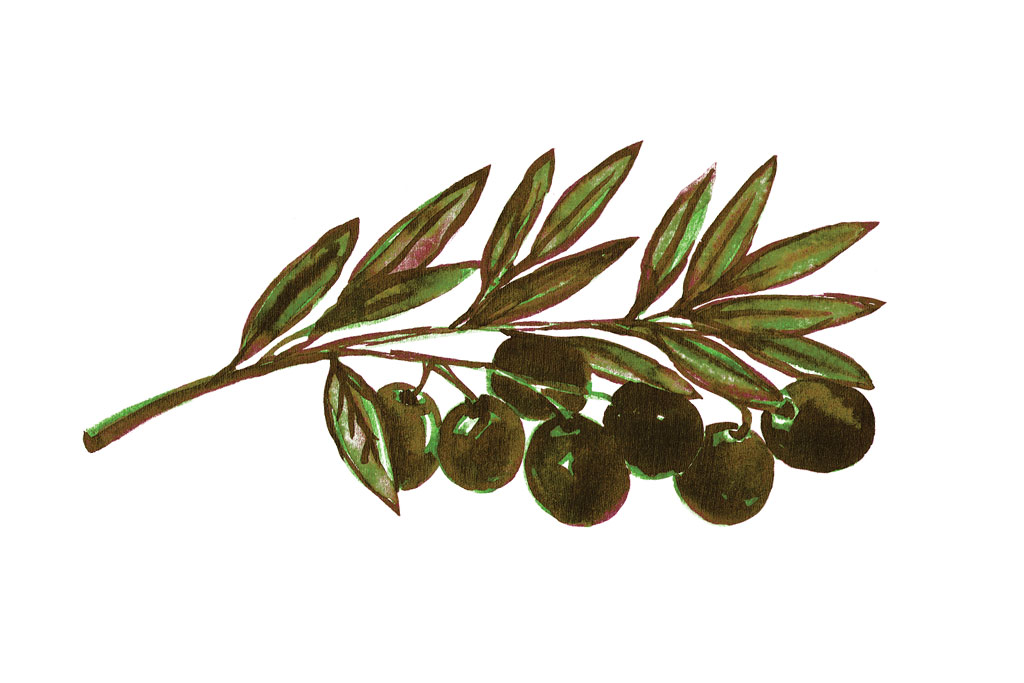
Chanukah’s key ingredient is olive oil. It lasted a miraculous eight days. It fuels the chanukiah (Chanukah menorah). It makes the latkes and jelly donuts delicious. And Chanukah arrives just as Israel’s olive harvest ends, which means lots of olive oil.
How does olive oil come to be?
Pressure. Lots and lots of pressure. An olive is mostly water and flesh, but tucked inside its cells are tiny droplets of oil, roughly a fifth of its weight. They stay locked in until pressure breaks the cells open and the oil rises to the top.
There is a teaching that the Jewish people are like olives. The prophet Jeremiah says G-d named us “a green olive tree, fair, with wonderful fruit.” The Midrash (Shemot Rabbah 36:1) asks: Why are we compared to the olive? Because we both know pressure. The olive is beaten on the tree, falls to the ground, then is pressed, crushed, and ground. After all this, the oil and ultimately the light emerges. So too us.
We have taken our share of beatings, falls, and pressure over the millennia. I’m not telling you anything you don’t know. Nor am I minimizing the pain and suffering we have endured and still endure. But look at the oil: monotheism, the Torah, Nobel Prizes, art, science, literature, the theory of relativity. For a people as small as an olive, we have given so much light under so much pressure.
That pressure endures today.
Physical pressure, first: security, vandalism, a low hum of fear. Then narrative pressure. Things we thought were basic: Jews are connected to the land of Israel. October 7 was evil. We want peace. Now another story is told. Connection to Israel is colonialism. Jews are white supremacists. October 7 was justified resistance.
These pressures are not new. Our ancestors were intimately familiar with them. For me, the last few years have been my first time truly living under this pressure. It has made me afraid in ways I wasn’t before. It has also made me prouder than ever to be a Jew, to serve the Jewish community, and to raise Jewish children.
But pressure alone does not yield lasting light. The Maccabees, our Chanukah heroes, rose under pressure, burned brightly, then burned out. The Hasmonean kingdom they founded fell into corruption and wanton violence. Its sovereignty lasted barely 80 years. Persecution alone does not guarantee virtue nor success.
So how do we not stumble? Look again at the oil.
Oil comes from being humbled, crushed until it gives. Victimhood can breed arrogance; we must protect our humility. Oil does not mix. Even beaten and accused, we can stay distinct and proud. And oil rises. Under pressure, the moral bar can start to slip. Ends justify means. Power becomes its own goal. We must rise above corruption and cruelty. The haftarah of Shabbat Chanukah speaks the eternal truth: Triumph ultimately comes not by might, nor by power, but by the spirit of G-d.
So this Chanukah, let us celebrate the tiny olive, pressed and humbled, yielding precious oil, burning longer than anyone expected. Let us celebrate who we are meant to be: pressed but precious. Humbled but hopeful. Battered, but still burning bright.
Rabbi Ari Hart is the Senior Rabbi of Skokie Valley Agudath Jacob.
In this issue
-
Catching up with Molly Yeh
Before the Glenview native was beating eggs, she was keeping the beat
Read more -
Remembering Rabbi Capers C. Funnye Jr.
Beloved spiritual leader’s legacy of faith, service, and dedication
Read more -
Expanding mental health services
The Ark and JCFS Chicago team up to provide holistic support in one familiar place
Read more