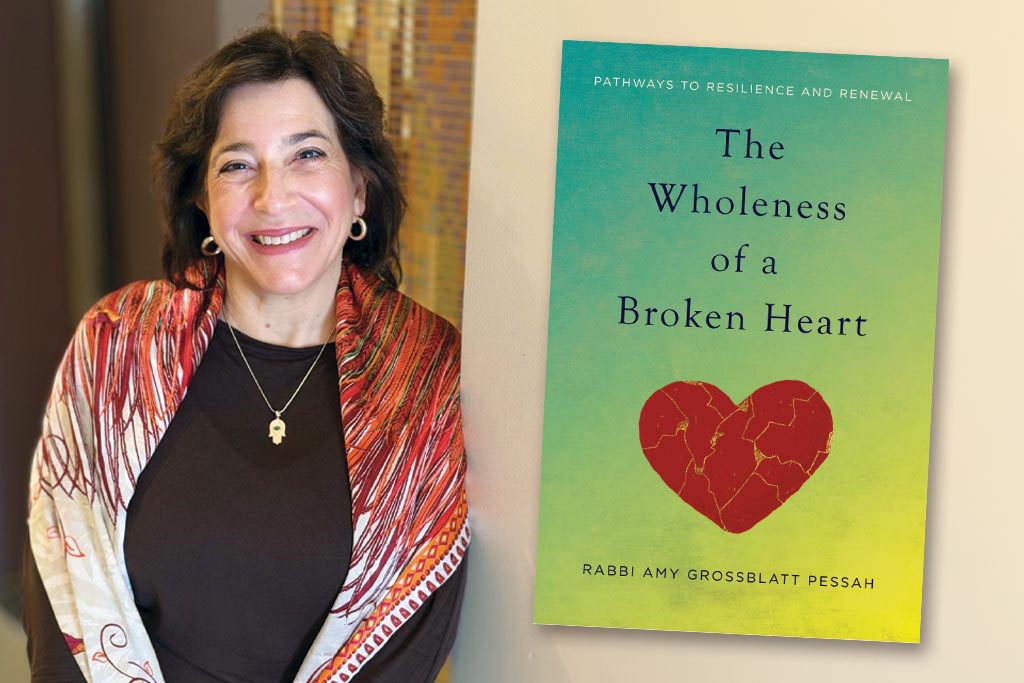
After losing her 20-year-old son, Josef, to brain cancer, Rabbi Amy Grossblatt Pessah found comfort and guidance in Jewish mourning rituals—and a way to accompany others through loss by writing her own story.
“There is a lot of neurological research about grief and how you can’t really think clearly because of the brain fog,” Pessah explained. “Jewish ritual tells you what to do before the body is buried, what you do for the funeral, what you do for shiva, what you do after 30 days, and what you do after 11 months. My tradition was there with a roadmap.
“I like to joke that the older I get, the smarter the rabbis become,” added Pessah, who has more than 35 years of experience in education and spiritual counseling. “When I was younger, I didn’t quite always understand the deep value of mourning rituals. I now think to myself that our faith tradition would not have been around for so many thousands of years if it didn’t have value, worth, and meaning.”
In October, Pessah published Wholeness of a Broken Heart: Pathways to Resilience and Renewal, a book that details her experience with grief, healing, and living fully after profound loss. Sharing the personal story of the loss of her son alongside Jewish texts, rituals, and traditions, she reframes brokenness as something not to overcome, but as an essential part of wholeness. Her hope is to help others who are going through similar hardships and encourage readers to find joy, meaning, purpose, and connection in their everyday lives.
“The experience of grief and loss is a lonely one,” Pessah said. “I felt called to accompany others and hopefully make their journeys easier.”
Divided into two sections, “Understanding Brokenness” and “Crafting Wholeness in Seven Ways,” Pessah presents a spiritual journey through stages of mourning. She also touches upon shared moments of grief, including the pandemic, October 7, and the rise in antisemitism.
The power of community is another important aspect to Pessah’s experience. “I don’t know how I would have made it through without my friends and synagogue community,” she said. “They were immensely helpful and supportive”
Wholeness of a Broken Heart is Pessah’s second book. Her first, Parenting on a Prayer, published in 2020, analyzed Jewish prayers to discover key values for thoughtful parenting, relating them to the lessons she learned as a mother of three children.
“This was also a deeply personal book for me, but in a different way,” Pessah said. “It’s a parenting guide. I share the parenting values that I found hidden inside 18 different prayers and then I tell stories about my own child rearing and parenting through those through those values.”
Her writing style is also similar in both books. “I wrote both books in short vignettes, but the content [in Wholeness of a Broken Heart] is more about my internal landscape and my own personal journey,” she shared.
Pessah, who describes herself as an “ongoing writer,” wrote Wholeness of a Broken Heart over a two-year period, which involved “a lot of writing, rewriting, scaffolding, reorganizing, and reworking.” She advises other writers to follow a similar pattern of journaling and establish “good writing habits.”
“Carve out a time during the day when you usually get inspiration and notice the details of life, whether it’s in the morning or evening,” Pessah said. “Sit your tushy down and write.”
In this issue
-

The remarkable writing life of Talya Jankovits
The Very Unremarkable Life of Mrs. Etty Bloom debuted this June
Read more -
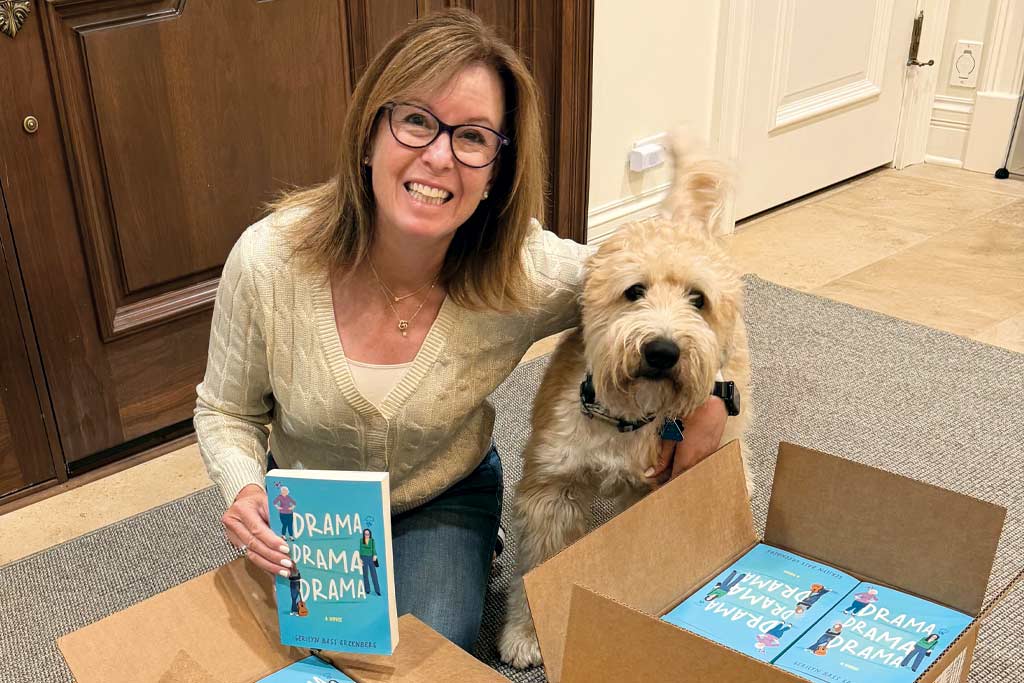
A novel a decade, and a lifetime, in the making
Gerilyn Bass Greenberg’s debut is personal, yet universal
Read more -
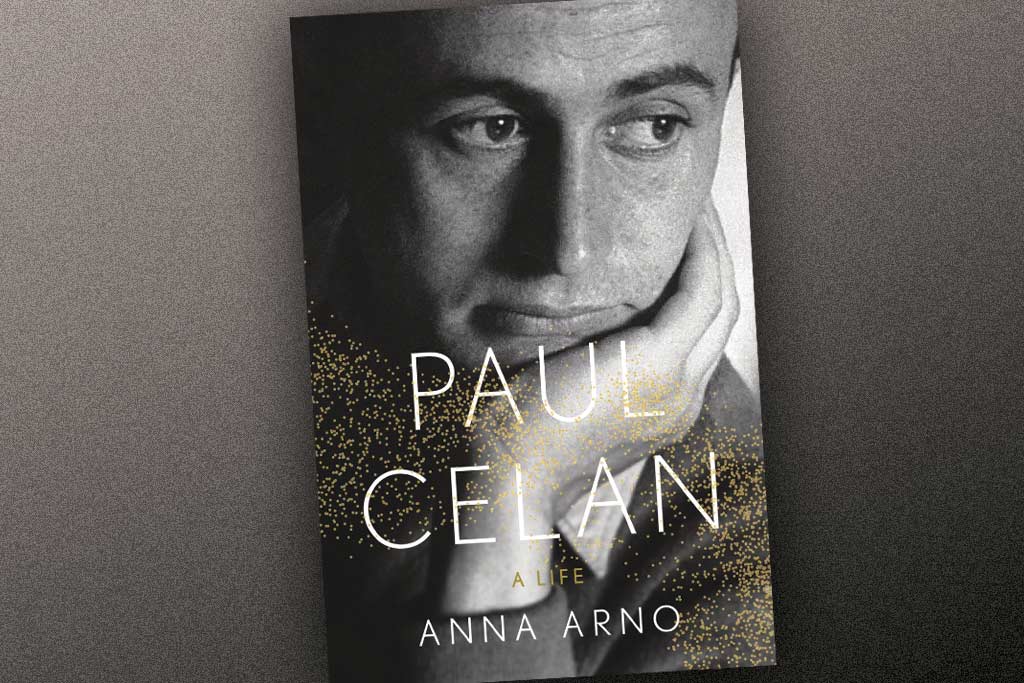
‘No one who has read me can ignore… that I am a Jew’
Biography takes full measure of poet Paul Celan
Read more