People often ask me what I mean when I speak about the October 8th Jew. I mean a Jew who responds to October 7 not by accepting victimhood as a defining identity; rather, by strengthening Jewish life. The October 8th Jew celebrates Judaism through ritual, mitzvot, commitment to the Jewish people across all movements, support for the State of Israel, and responsibility for global Jewry.
Three years after October 7, the lesson feels increasingly clear to me. Jewish continuity cannot depend solely on memory, outrage, or fear; a sustainable Jewish future requires serious engagement with Jewish practice, education, and peoplehood.
That begins with the experiences we know shape Jewish identity. Jewish summer camp, day school, meaningful synagogue life, and substantial time in Israel give young Jews a vocabulary, a community, and a sense of belonging that cannot develop through occasional exposure alone. If we care about the next generation forming strong Jewish homes, then we must invest accordingly.
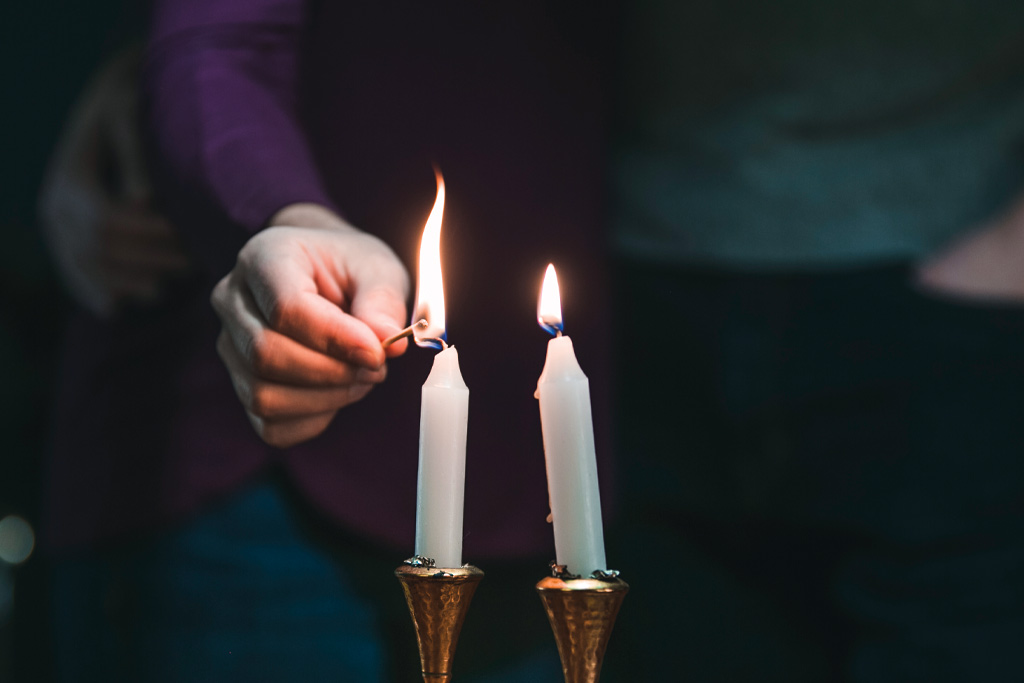
I enter this new year with a challenge. Light Shabbat candles more consistently. Choose a mitzvah that can become part of the rhythm of your home. Prioritize Jewish time rather than treating it as the activity that survives only when nothing else competes with it.
We also need to reconsider how we travel; before planning another major trip abroad, consider Israel. Visit the restaurants, galleries, markets, and small businesses. Support the local economy. Spend time with Israelis. Volunteer to rebuild the north and the south. Let them encounter American Jews who continue to show up, not out of obligation alone, but out of love and unconditional support.
Rav Kook described the Land of Israel as “an intrinsic section of the nation, attached to it with a living bond.” His language captures something essential about Zionism. Israel does not function merely as a political project or a place of refuge. The relationship between the Jewish people and the Land of Israel belongs to the centrality of Jewish identity itself.
That same seriousness should guide how we rear our children. Secular activities can shape character and bring enormous joy; but, we cannot circumvent Jewish life for said activities. Most of our children will not become professional athletes. Our deeper responsibility as parents, rabbis, and Jewish professionals involves rearing mensches who know their tradition, understand their people, and recognize that Jewish identity asks something of them.
I often wonder what the great rabbis of our tradition would make of contemporary Jewish life. They would encounter Tel Aviv, Jerusalem, and Haifa, a sovereign Jewish state, Jewish schools, thriving synagogues, and summer camps filled with children singing Hebrew songs. For generations, Jews imagined such realities. We now possess them, which remains our responsibility.
We comprise roughly 0.2% of the world’s population. Jew hatred remains real, and October 7 will remain part of our collective memory. But Jewish life cannot organize around the hatred of others. I want this period remembered as the moment when Jews chose depth over fear, celebration over victimization, and above all, the commitment to G-d, Torah, and Israel.
That, to me, defines the October 8th Jew. At our congregation, around Jewish Chicago, and beyond, that is the Judaism I hope we continue to build.
Kadima. Onward.
Rabbi Adam Wright is the Senior Rabbi of B’nai Jehoshua Beth Elohim (BJBE) in Deerfield.
In this issue
-
-
-
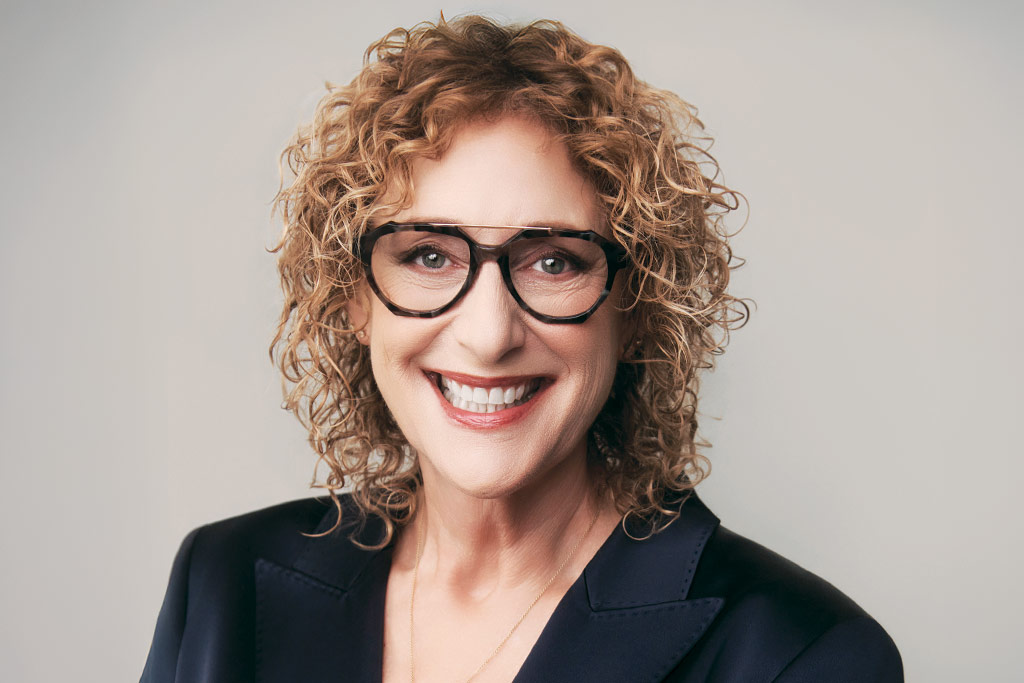
Catching up with Judy Gold
The actor, writer, and comedian is known for her edgy wit and sharp timing
Read more