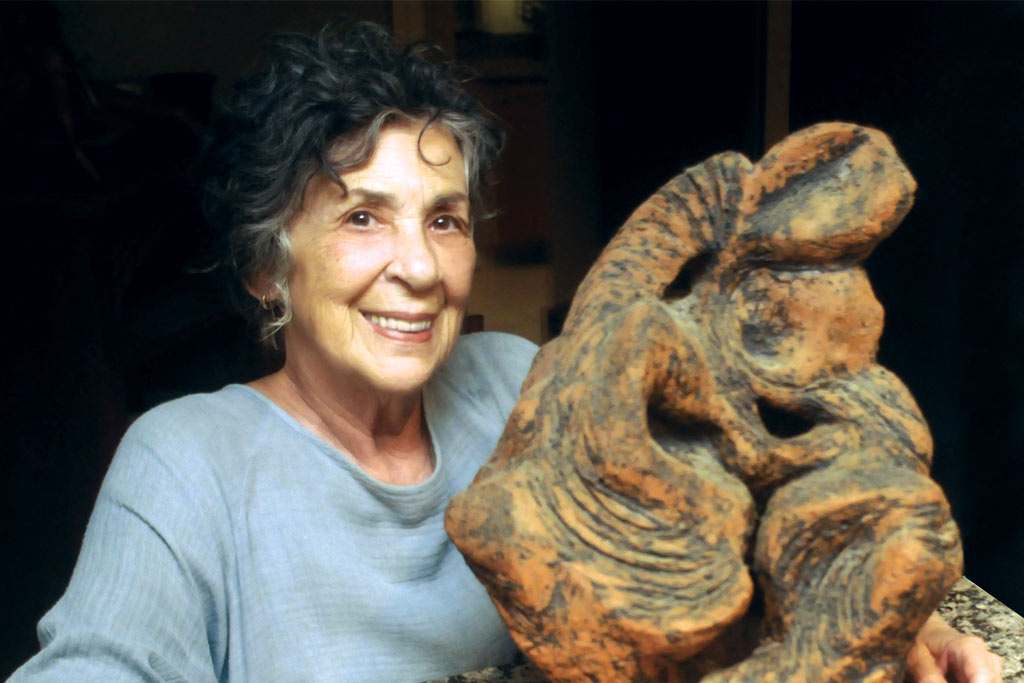
Sharron Pierce works several times a week at the Lincoln Square Pottery Studio. (Photo courtesy of Sharron Pierce)
The actor Mike Nussbaum, a beloved fixture on Chicago stages for decades, spent many years as the operator of a pest control business before breaking into show business.
The revered operatic tenor Richard Tucker started out as a cantor.
And comedian Sam Levenson was a New York City public high school teacher before making it in stand-up.
Undertaking a “second act”—pivoting from one profession to another—is generally not an easy task, particularly in middle age. Yet, it’s hardly unheard of, particularly for those with a hankering to immerse themselves in creative endeavors. For several Jewish Chicagoans enjoying flourishing second careers in the creative arts, however, their late-in-life successes did not involve any conscious decision to switch gears.
Take sculptor Sharron Pierce, for instance. Pierce, who, at 82, still works several times a week at the Lincoln Square Pottery Studio, said that when she was young, a life in art was as far from her mind as schoolwork.
“They couldn’t understand why I wasn’t doing well in school,” Pierce said of both her teachers and parents. “I was always in the principal’s office. … I had no interest in anything but riding my bike, going to the beach, and boys.”
After the Lincolnwood native graduated from Niles West High School, the self-described rebel went on to dental technician’s school, though she had considered becoming a hairstylist, an option her mother immediately nixed. “‘No Jewish girl goes to beauty school,’” she recalled her mother saying.
For years, Pierce, a divorced single mother, supported herself mostly as a waitress, bartender, and stable hand. But in her 40s, she returned to higher education, at Mundelein College, now a part of Loyola University Chicago, where she finally came into her own.
“I didn’t know what I wanted to do so I took an art history class,” she recounted. “But I didn’t understand the vocabulary [of visual art] so I took a drawing class. The teacher said to me, ‘You’re an artist.’”
Those three words set Pierce on a path from which she has not deviated for the last 40 years. After drawing, painting, and photography, she found herself drawn to clay, a medium in which she chose as a permanent home. Pierce went on to earn her master’s in fine arts from Chicago’s Columbia College and has been showing her hand-built work—smaller sculptures, larger figurative work, and ceramic tiles—as part of group shows at venues throughout the Chicago area, including ARC Gallery, Woman Made Gallery, and the Bridgeport Art Center.
Like Pierce, Richard Reeder, 81, never envisioned a life in the arts. He grew up in a Jewish working-class family in West Lawndale and, later, in West Rogers Park. After graduating from Mather High School, he went on to college and graduate school at Roosevelt University and enjoyed a long and satisfying career in city government and in nonprofit management, including high-level positions at a number of Jewish agencies.
Though he never thought of himself as a writer, Reeder was, aptly, a reader—and a voracious one at that. After retiring, he taught literature in adult education classes, where one of his students, a writer, remarked to him, “You have some interesting stories. Have you ever considered writing them?”
He had not—but then, abruptly, he did. The student introduced Reeder to a small Chicago publishing house, Amika Press, which published his first book, Chicago Sketches, a series of vignettes, in 2012. Fast forward to the present, and Reeder now has four books under his belt, the most recent, Sarasota, a novel about the intersection of baseball and the Civil Rights movement, which was released earlier this year.
Reeder said his “self-discovery” as a writer in his 60s has been nothing short of joyful. He added, “To me, it’s a better approach to my senior years” than almost anything else he can imagine.
Robert Nagler Miller is a journalist and editor who writes frequently about arts and Jewish-related topics from his home in New York.
In this issue
-

The remarkable writing life of Talya Jankovits
The Very Unremarkable Life of Mrs. Etty Bloom debuted this June
Read more -
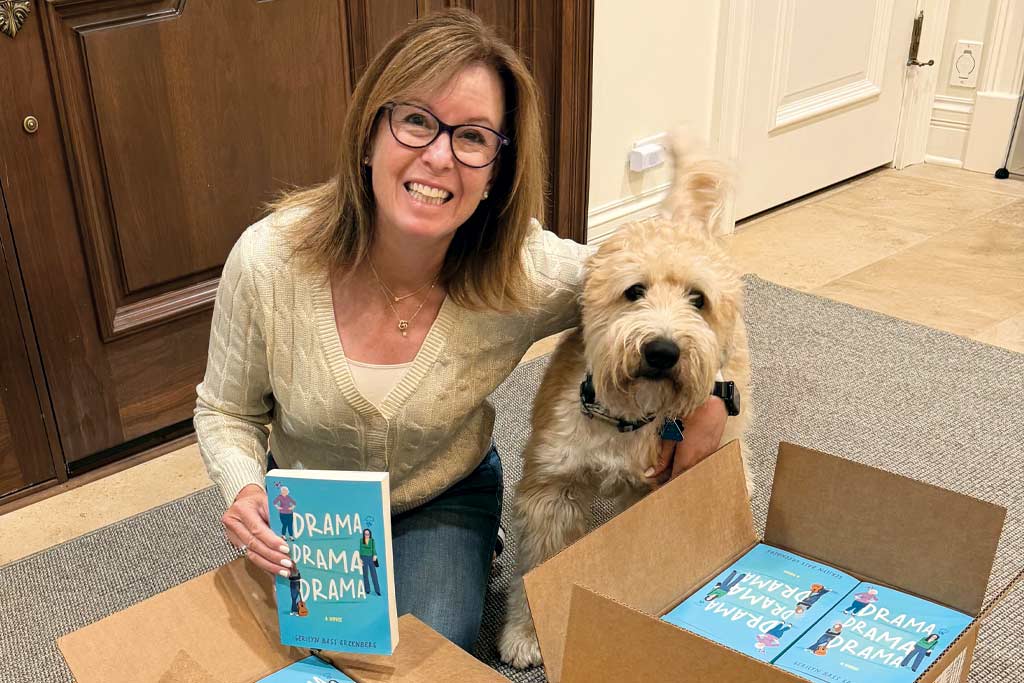
A novel a decade, and a lifetime, in the making
Gerilyn Bass Greenberg’s debut is personal, yet universal
Read more -
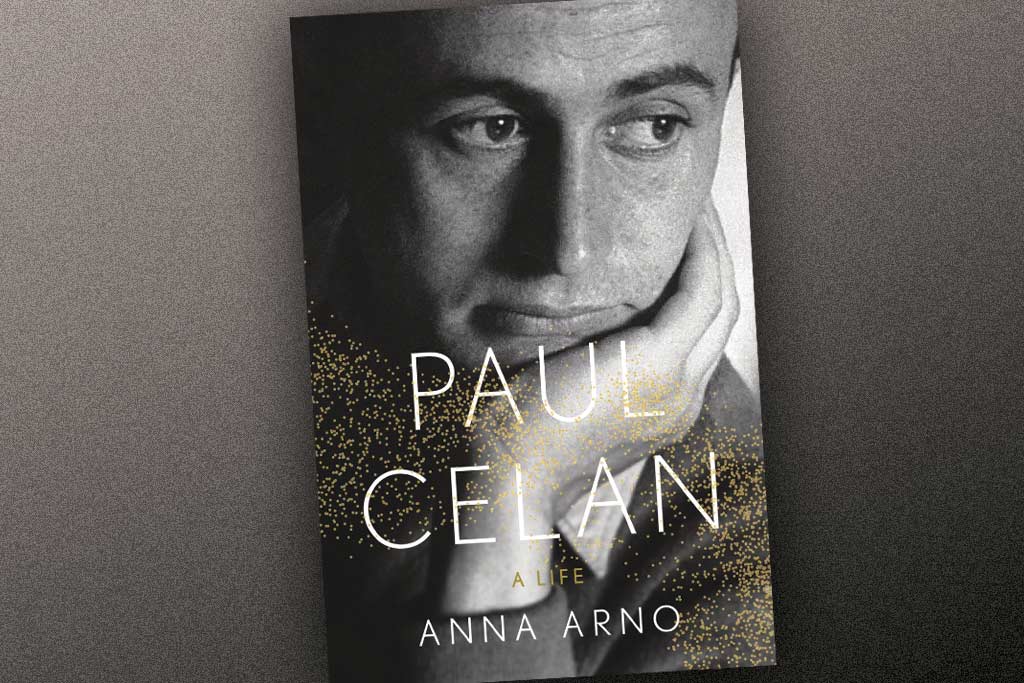
‘No one who has read me can ignore… that I am a Jew’
Biography takes full measure of poet Paul Celan
Read more