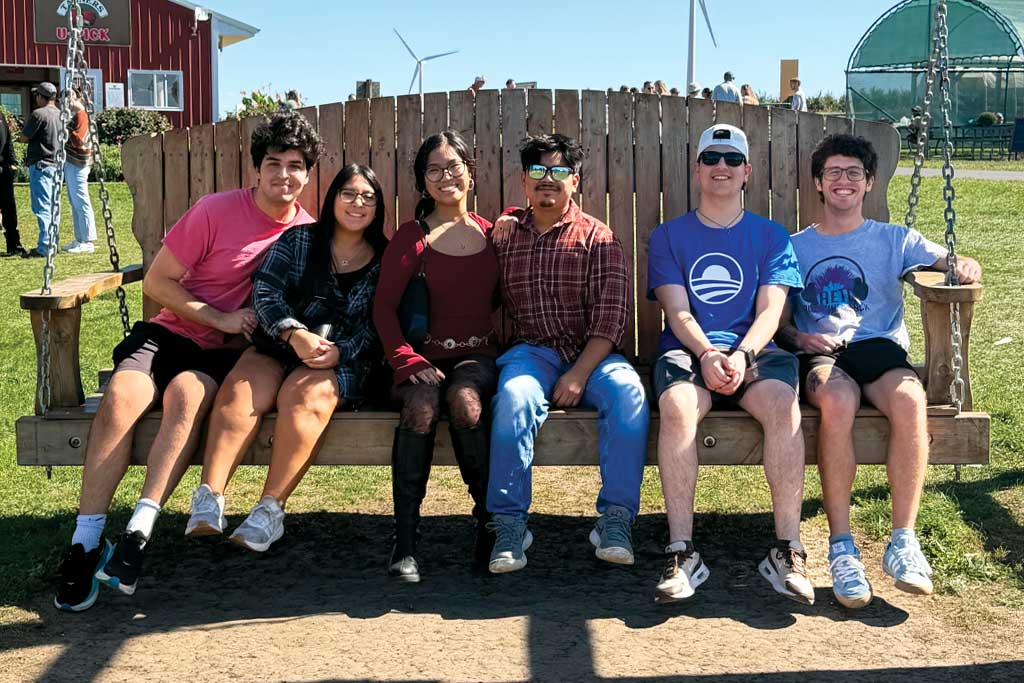
Hillel students head to the apple orchard as they kick off the new year.
There is something special about gathering around a table. The sharing of food, conversation, laughter, and traditions has the power to bring people together in ways that few other experiences can. At Hillel, Shabbat and holiday meals are about much more than what is served on a plate. They are opportunities to build community, create meaningful connections, celebrate Jewish identity, and ensure that every student has a place to belong.
The famous line from Field of Dreams, “If you build it, they will come,” captures an important idea about creating a welcoming space. At Hillel, we build that space through programming, prayer, learning, and social opportunities. But a building alone does not create a community. People do. And one of the most powerful ways to bring people
together is through food.
To paraphrase, “If you feed them, they will come. If you feed them well, they’ll come back.”
This idea reflects the heart of Hillel’s approach to Jewish life on campus. College students are balancing demanding classes, jobs, extracurricular activities, financial pressures, and the challenges of becoming independent adults. For many, college can also be a time of loneliness, transition, and searching for identity. A Shabbat dinner or holiday meal offers something simple yet profound: a chance to slow down, sit with others, and feel welcomed without needing to be anything other than themselves.
Shabbat meals create a weekly rhythm of connection. As candles are lit, blessings are shared, and challah is passed around the table, students experience traditions that have connected Jewish communities across generations. Whether students grew up celebrating Shabbat every week, attended a few holiday gatherings as children, or are exploring Jewish traditions for the first time, everyone has an opportunity to participate. The table became a place where questions are encouraged, friendships develop, and Jewish life feels accessible and relevant.
Holiday meals offer similar opportunities to celebrate the Jewish calendar and explore the stories, values, and traditions that shape Jewish identity. From Rosh Hashanah and its hopes for a sweet new year to Passover and its lessons about freedom, these gatherings transform abstract traditions into shared experiences. Students do not simply learn about Jewish holidays; they taste them, hear their stories, ask questions, and create memories that may stay with them long after graduation.
The importance of these meals extends beyond the food and traditions themselves. Hospitality communicates a powerful message: You are welcome here. You matter here. There is a seat for you at this table. For students who may be far from home, a Hillel meal can provide a sense of family and belonging. For students who are less connected to Jewish life, it can be an inviting first step toward building a relationship with their heritage and community.
Of course, the quality of the meal matters. Thoughtful menus, delicious food, a warm atmosphere, and attention to students’ dietary needs demonstrate care. When students feel that an event has been prepared with them in mind, they notice. They remember the meal, the conversations, the people who welcomed them, and the feeling of being part of something meaningful. Good food may bring someone through the door, but genuine hospitality and authentic relationships give them a reason to return.
Ultimately, Shabbat and holiday meals are an investment in the future of Jewish community. Every meal creates an opportunity for a new friendship, a meaningful conversation, a renewed connection to tradition, or a first experience of Jewish belonging. These moments may seem small, but together they help shape a vibrant and lasting community.
At Hillel, we should continue to build welcoming spaces, offer meaningful experiences, and set tables that invite students to gather. Because “if you build it, they will come” is a wonderful starting point. But if you feed them, welcome them, and feed them well, they will come back—and, more importantly, they will bring their friends, build relationships, and help make Hillel a home away from home.
Matt Lorch is the Executive Director of Bradley University Hillel.
In this issue
-

-

Catching up with Molly Yeh
Before the Glenview native was beating eggs, she was keeping the beat
Read more -
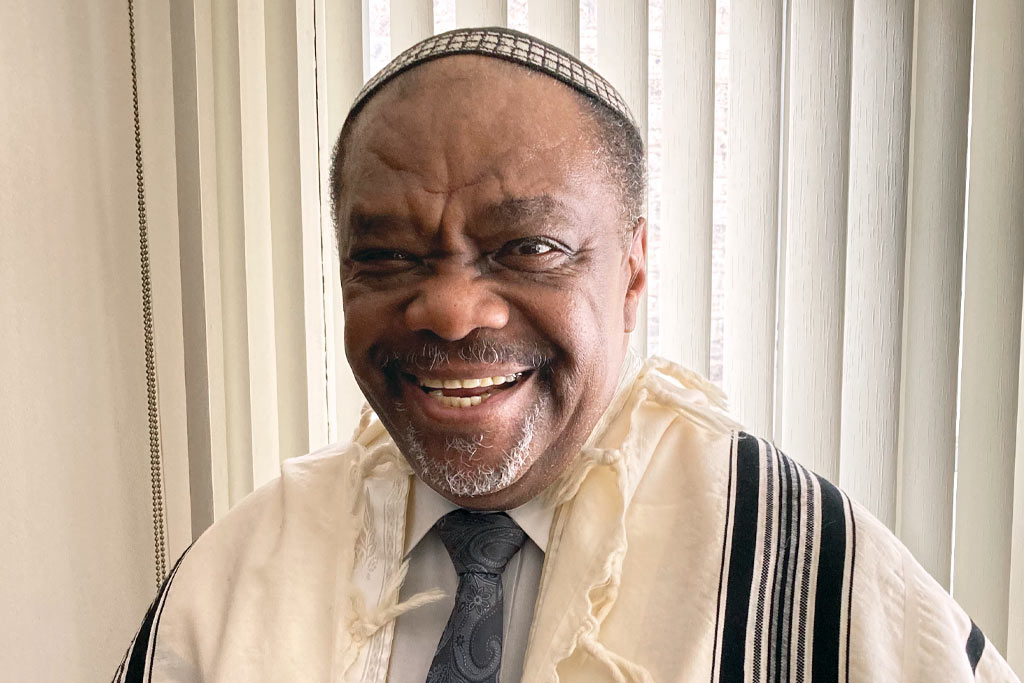
Remembering Rabbi Capers C. Funnye Jr.
Beloved spiritual leader’s legacy of faith, service, and dedication
Read more