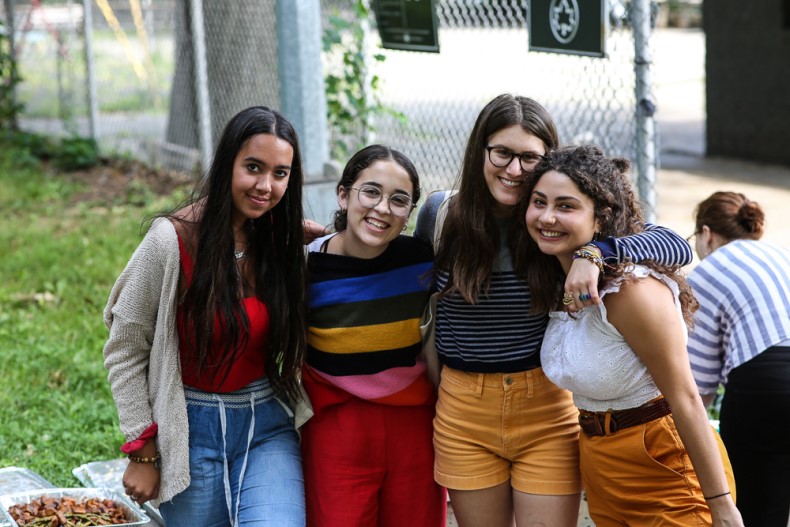
Jewish Women’s Foundation allocates $413,000 in grants supporting women and girls
Elizabeth Abrams
Responding to a year of extraordinary need, with an eye on opportunities ahead, the Jewish Women’s Foundation allocated $413,000 in grants supporting 27 organizations in 2021. Included in this year’s allocations are 10 grants supported by the Ellie Fund, focused on reproductive health care, lifting women and girls out of poverty, and promoting health, non-violence, and career development.
Through its participation in the Jewish Women’s Collective Response Fund, a partnership between five foundations and funds, JWF provided $10,000 towards urgent grants addressing the staggering increase of domestic violence in Israel due to COVID-19.
Launched in 1997, JWF–an independent project of JUF–expands and improves opportunities and choices in all aspects of life for Jewish women and girls through strategic and effective grantmaking, empowering Jewish women as leaders, funders, and decision-makers.
“As we ended 2020, we saw the tremendous need to double down on our funding for so many incredible organizations in Chicago and in Israel who are working tirelessly, even during the pandemic, to move the needle on creating a more just, fair world for Jewish women and girls,” said Annette Lidawer, JWF Grants Committee Chair. “With great pride, JWF will be supporting four new projects and making 12 renewal grants in 2021.”
Grantee partners in 2021 include:
New Grants:
Itach Maaki Women Lawyers for Social Justice City For All: creates coalitions of public officials, activists, and female leaders across Israel, to advocate on behalf of women and girls.
Jewish Women’s Collective Response Fund : meets the immediate safety needs of Israeli women affected by violence during COVID-19 by expanding the work of MASLAN, Tahel, and Women’s Spirit.
The Rackman Center at Bar Ilan University Protecting Protective Mothers: addresses the growing legal challenges of women and families in Israel experiencing domestic violence.
Sacred Spaces Aleinu:Safeguarding Our Children: raises the standards of child protection in Jewish youth serving institutions through prevention work and policy development in partnership with JCFS Chicago.
Renewal Grants:
Adva Center Empowering the Empowerers: trains, supports, and coaches Mayoral Advisors on gender equality, addressing the concerns of women and girls throughout Israel.
ACLU:Roger Baldwin Foundation Women’s and Reproductive Rights Project: safeguards protections around health care for women, and engages in public advocacy and education.
The Center for Advancement of Women in the Public Sphere at the Van Leer Institute The Gender Index: tracks gender inequality and gaps to inform, track, and create social change for women and girls in Israel.
La’Ofek – Hope for the Future Achotenu – Academic Nursing Program: prepares Ethiopian Israeli women pursuing a career in nursing, an occupation currently in significant demand.
Ma’ase Center Association Women’s Leadership Training: equips marginalized Israeli teens for professional and economic stability from pre-army prep to careers in public service, government, or nonprofit work.
Olim Beyahad Employment, Empowerment, and Leadership for Ethiopian Israeli Women: enhances the career trajectory of Ethiopian Israeli university graduates and increases integration into the professional work force across sectors.
jGirls Magazine: operates an online magazine and community created by and for self-identifying Jewish teen girls to share their voices with the world and each other.
Kaleidoscope Early Childhood Educators as Leaders of Diversity Education: trains Israeli female educators to use a methodology that values cultural differences, acceptance, and civic engagement to promote a peaceful, shared society.
Metro Chicago Hillel Feminism, Judaism, and Anti-Racism: expands Jewish feminist education at Silverstein Base Hillel. In partnership with Moishe House and JUF’s Young Leadership Division, participants explore their identities and how to be effective allies for racial justice.
Ohr Torah Stone Susi Bradfield Women’s Institute of Halakhic Leadership: runs an elite, five-year, full-time institute in Israel training female scholars in Talmud and halakha (Jewish Law s).
The Eden Center: makes the mikvah experience safe and relevant for women across Israel and the diaspora; creating culturally sensitive medical and educational resources.
No Shame On U: eliminates the stigma, normalizes the conversation, and raises awareness of mental health conditions and well-being in the Jewish and wider communities.
Elizabeth Abrams is the Assistant Vice President of Communications for the Jewish United Fund of Chicago.
Other stories
-

Two local teens win national recognition
Recipients of the annual Diller Teen Tikkun Olam Awards
Read more -
Celebrating six young award winners cultivating the community
Introducing young adult award winners
Read more -

Newman originally chose to volunteer, he said, because he “wanted the opportunity to give back to his community.” Once he began working with including clients from the former Soviet Union, he said his volunteer experience was “eye opening.”
“Clients have been very impressed that he truly listens to what they have to say and what they need,” said Sima Blue, Program Coordinator for the Legal Services program.
For more information, visit juf.org/tov/greenelegalservices.aspx .
Other stories
-
Two local teens win national recognition
Recipients of the annual Diller Teen Tikkun Olam Awards
Read more -
Celebrating six young award winners cultivating the community
Introducing young adult award winners
Read more -
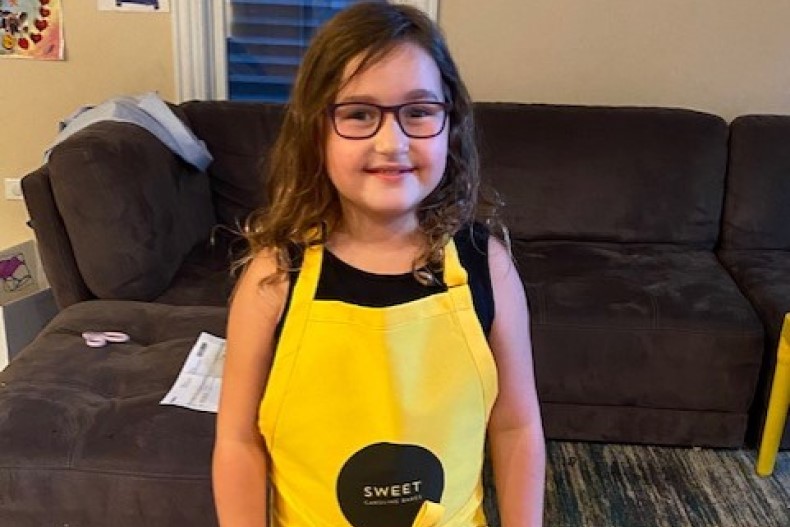
In one of her first times baking during the pandemic, 8-year-old Caroline Phillips made too much for her family to eat. After brainstorming with her mom, Erica, the pair decided to start an online business-Sweet Caroline Bakes-and share her treats and kindness with the community at large. Each new project begins with a round of baking where Phillips makes items like peanut butter cookies, apple tart, blueberry crumb bars, cakes, and challah and sells them to customers. She has raised over $2,000 and donates money to charities like The ARK, Dare 2 Tri, and Black Lives Matter.
“It makes me feel good to give money to organizations that help people while baking which is something I love to do,” said Caroline, who wants to teach baking when she grows up.
To learn more, visit sweetcarolinebakes.net or visit @sweetcarolinebakes.chicago on Instagram.
Other stories
-
Two local teens win national recognition
Recipients of the annual Diller Teen Tikkun Olam Awards
Read more -
Celebrating six young award winners cultivating the community
Introducing young adult award winners
Read more -

It takes 30 minutes for the Consulate General of Israel to the Midwest’s newest diplomat, Daniel Aschheim, to retell his world-encompassing work history, and he’s only 32.
Most recently, Aschheim, who recently earned his Ph.D. in European Studies, served for two years in Dakar, Senegal as Deputy Chief of Mission for the Israeli Embassy; his district covered five West African countries.
Just out of college, he held internships with the Knesset and the British embassy in Israel. At the same time, he served as a concierge at the King David Hotel in Jerusalem, attending to the needs of heads of state, celebrities, and other VIPs.
Now, as Israel’s Consul for Public Diplomacy to the Midwest, Aschheim covers nine states- from Michigan and Indiana west to Nebraska and the Dakotas. It takes up more space on the map than his African territory did.
Q. When did you know you wanted a career in foreign service?
A. I visited Austria as part of the “Young Ambassadors” program when I was 17; my dream of reaching the Foreign Ministry began then.
But at the King David Hotel, the world came to you.
I started there with a summer job and stayed for five years during my studies. I dealt with VIPs and with people from all backgrounds and beliefs. I learned more there than at any other job I have had. Later, when I worked as a consultant on interpersonal communications and conflict resolution for leaders, I used many of the skills I acquired at the hotel.
How did you come to work in Africa?
I completed the Israel’s Ministry of Foreign Affairs “Cadet Course.” Senegal was my first assignment. While the region is one of the most underprivileged in the world, Senegal itself is stable and a model of democracy.
Our embassy’s goal was to replicate Israel’s “start-up nation” infrastructure in Senegal and The Gambia. We brought in Israeli experts and developed leadership programs. We hope to support a West African “Silicon Valley” by 2030.
Is there Jewish life in the region?
Senegal itself is 95 percent Muslim with no organized Jewish community. But there is an island off the African coast- Cabo Verde, the western most part of Africa-with a population of 500,000. And they have an interesting Jewish connection! Long ago, Moroccan Jews came there. Many of the island’s leaders today speak proudly of their Jewish heritage.
What will you do in your new position at the Consulate?
My vision is to build bridges between Israel and the Jewish community here, through culture, academics, and media. I want to connect people here to the diverse, pluralistic, innovative, creative, and exciting Israel which I love.
I want to say to our [American] Jewish friends: Please be involved, not indifferent. Whether you agree or disagree with certain Israeli policies, we would love you to engage with Israelis, visit Israel, and meet Israelis. And most importantly-know that Israel will always be there for you.”
Aschheim can be reached at [email protected].
Other stories
-
Two local teens win national recognition
Recipients of the annual Diller Teen Tikkun Olam Awards
Read more -
Celebrating six young award winners cultivating the community
Introducing young adult award winners
Read more -
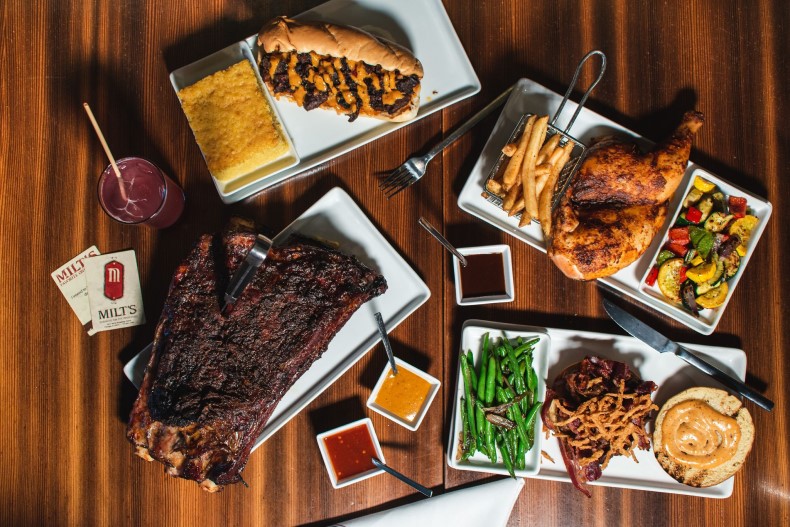
Just because you can’t eat at your favorite kosher restaurant doesn’t mean you still can’t enjoy their great food. Plenty of places are open during the pandemic for take-out, delivery, or even small-event catering.
Tacos Gingi–named for the Israeli slang for “redhead”–has been serving kosher Mexican food in Skokie for three years.
“And we’re still here,” despite the pandemic, said Tacos Gingi co-founder Aliza Bielak. She and her redheaded husband Ricardo, who goes by “Ricky,” have refocused their restaurant on take-out and delivery. They have also continued catering, everything from small events at doctors’ offices to school lunches.
“We really appreciate the business everyone has been giving us,” Aliza added. “and their support, in hard times, and always.”
They have also expanded their menu. In addition to their “ShabbaTaco” Mexican family meal-deal, they now offer a “Shabbat Box,” with more traditional fare–plus candles and grape juice. Plus, the Mexican joint has started offering Japanese food, too.
In Lakeview, Milt’s Barbecue for the Perplexed–named for the founder’s uncle Milt, and for the Maimonides treatise The Guide for the Perplexed –has also had to adapt.
Like Tacos Gingi, Milt’s is offering Shabbat family meals, and also created a full take-out Thanksgiving dinner last month. Milt’s has also started offering Chinese take-out–just in time for that one non-Jewish winter holiday when Chinese food is popular among certain populations.
“It’s been up and down,” said Bryan Gryka, Milt’s General Manager. “When everything started in March, we had great support from the community. It dwindled during the summer… but we have done really well in the last couple of weeks.”
However, he is worried about winter, with continued dine-in shut-downs, and–this being Chicago– no outdoor seating for months.
But Milt’s is still delivering to Peterson Park, West Rogers Park, Lincolnwood, Evanston, Skokie, and downtown.
Realizing that the businesses of his neighborhood in general were all endangered, he touted a promotion by the Lakeview East Chamber of Commerce on Facebook, adding: “There are plenty of other restaurants and caterers in the same boat. Think of all of us, please. Spread the word. Be as generous as you can… we will appreciate it immensely.”
Over in Highland Park, the Mizrahi Grill has maintained its standard menu. While the word “mizrahi” is Hebrew for “eastern,” it is also the last name of the restaurant’s founders, brothers Eli and Tomer. The cuisine at Mizrahi is not just Middle Eastern but distinctly Israeli.
“We are holding on, as usual,” said Tomer. “We are going through this thing, waiting for indoor dining to come back. So, we are doing curbside a lot, bringing the food out.”
As Mizrahi is popular for take-out, he said he is apprehensive about the change in the weather. He and his brother are considering pivoting to delivery service.
COVID is challenging Evita Argentinian Steakhouse, too. “This hurt people really hard,” said Michael Barnatan, Evita’s proprietor. “Jewish people tend to congregate. We want to go out! But we can’t attend sports… we can’t travel. The only thing we have is restaurants.
The steakhouse lost their catering and dine-in service, but are still offering delivery and take-out. “We have had to transform our elegant restaurant into a glorified [fast-food place],” Barnatan said.”
He has advice for diners. “Don’t wait to hear that your favorite restaurant is closed and say, ‘I miss them so much,'” he urged. “Now is the time to help. This is it.”
Visit juf.org to find more kosher restaurants doing take-out during the pandemic.
Other stories
-
Two local teens win national recognition
Recipients of the annual Diller Teen Tikkun Olam Awards
Read more -
Celebrating six young award winners cultivating the community
Introducing young adult award winners
Read more -
Local Jewish bar and business owners bring happy hour home
Leslie Hill Hirschfeld
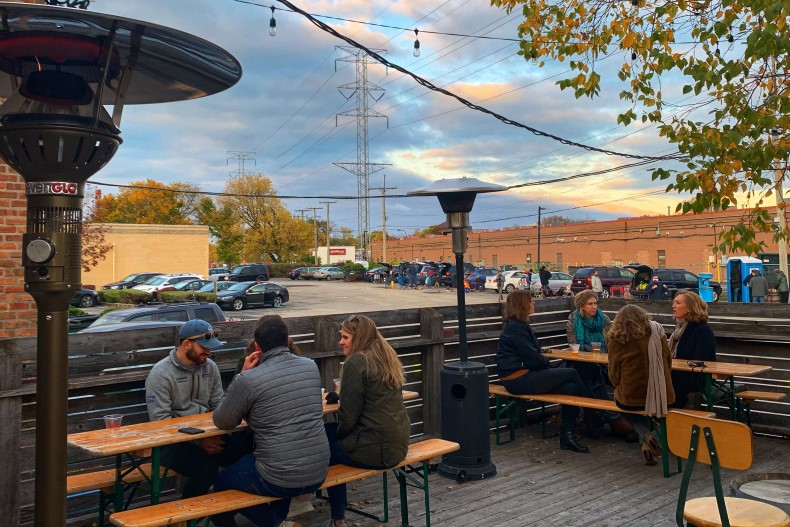
For many bars and restaurants across the Chicago area, the pandemic meant an unexpected closing time. However, Pam Spritz and her family– owners of Spritzology, a bar and liquid catering service in Chicago– took it as a time to break out, literally.
“I took the bars off the windows of my restaurant that have been on there for 20 years, and now we have a to-go window on Tuesdays and Wednesdays,” Spritz said. She and her four adult children who help run Spritzology and the family’s catering company, Jordan’s Foods of Distinction, transformed the unassuming facade of their kitchen space in Wicker Park into a high-end snack bar, complete with elegant lighting, flowers, and music.
Jordan’s Foods of Distinction has been in business for two decades, while little sister company Spritzology was a more recent offshoot. “Spritz is our last name, and it just made sense for us to have this company. We call it the intelligent bar because we use all local products that are less expensive and better quality” said Jamie Grumet, Spritz’s daughter.
The pandemic, which shut down most large-scale gatherings and events, gave Spritzology a unique opportunity to pivot. “This was our chance to break out and bring our cocktails to people who couldn’t go out,” Pam said. Now, their online menu of custom, chef-inspired cocktails changes every three weeks and can be purchased through the website or at the to-go window.
With alcohol consumption up by 14 percent since last year, according to a recent report in the JAMA Network Open , local Jews in the bar and liquor industries, like the Spritz family, are finding new ways to reach their customers.
Josh Gilbert, owner of Temperance Beer Co. in Evanston, also retooled his business plan to continue serving during the pandemic.
“We have had to be nimble and be creative on very short notice,” Gilbert said. Immediately after Temperance shut its taproom doors on March 13 due to government orders, they started offering drive-thru service to customers.
Gilbert, an Evanston native, said his company has continued to expand COVID-safe options to remain afloat. “We have a big private lot that we share with other businesses where we created a socially distant tailgate,” he said. The brewery also offers beer garden reservations, and, for those who are thirsty for a beer but can’t make it to Temperance, they just launched local delivery service.
Shoppers can also find Temperance at Chicago-area grocery and liquor stores, including Whole Foods, Mariano’s, and Binny’s. These same retailers carry Vitani, a line of premium, bottled martini beverages, created by Northbrook native Jackie Gichner and her husband, Eric.
Gichner explained the inspiration for her product, “I love dirty martinis, and I said one night with friends, it would be so great to open up a dirty martini the way you can open up a beer.”
Vitani, named for the Gichners’ three children, David, Taylor, and Dani, brings the quality and strength of a bartender-prepared martini home in a convenient bottle. “People want what they’ve always had,” Gichner said. “They want to be able to go out, and they want to be able to drink; so now, we can bring that home to them.”
Offering another solution for isolated drinkers craving a specialty cocktail, North Shore mixologist Cheryl Rich Heisler now brings her signature sips into home kitchens and bars through virtual events. Think of it like an online cooking class but for custom cocktails.
“Zoom mixology demos have become a new way to get people in, to make it fun, to make it light, and to bring community back,” Heisler said. Her company, Mixed MetaPours, helps clients–ranging from bridal parties to local synagogues to large corporations–bring guests together to socialize and sip on personalized preparations.
Simchas aren’t canceled, and as Heisler points out, “Jews are always celebrating life.” So, why not do it with a delicious drink? The options abound, even during a pandemic.
“Midwest Manhattan”
2.5 oz. KOVAL Four Grain
.5 oz. Apologue Persimmon Liqueur
1-2 Dashes Bitters (plum or orange)
Build in iced, rocks glass. Mix well.
Garnish with Morello or Luxardo Cherry.
© Mixed metaPours: signature cocktails by design 312-613-7499 www.mixedmetapours.com
Leslie Hill Hirschfeld is a freelance writer living in the northern suburbs of Chicago.
Other stories
-
Two local teens win national recognition
Recipients of the annual Diller Teen Tikkun Olam Awards
Read more -
Celebrating six young award winners cultivating the community
Introducing young adult award winners
Read more -

I love latkes and look forward to at least one meal during Chanukah that includes the iconic potato cakes–but one night of latkes just isn’t cutting it this year. I want–no, I need–more! After all, it’s been a rough year and, if you are like me, we really need to celebrate something and eating fried food is as good a reason to celebrate as anything.
With latkes as a heavier fried food night, I am looking for something lighter to fry–and with a little more zing. Enter the fritter: light, crispy, and incredibly addicting, lightly-battered vegetables or fruit are versatile as a starter to a meal, a flashy side dish, or an exciting dessert.
Fritter batter is easy to make and can be done ahead of time. In fact, the fry-ables can be cut and prepped ahead of serving, and the only last-minute task is the actual frying. Once you master the simple fritter batter and technique, you can fry anything. Vegetables, thinly sliced fruit, and even fish or chicken can be dipped and frittered.
Fritter-ing Tips:
- Whisk fritter batter ingredients in a bowl over a bowl of ice water. The cold temperature will inhibit gluten from forming. A delicate batter is not heavy with gluten.
- Do NOT leave out the rice flour! Rice flour makes everything crispy and light!
- Fritter batter can be whisked together and left to rest, over a bowl of ice water, in the fridge for up to one hour.
- Be sure all the fry-ables are patted dry and ready to go once the oil is hot.
- I use extra virgin olive oil or avocado oil to fry in. Extra virgin is a heart healthy oil and works perfectly for frying.
- Don’t overload the pan with too much food. A drop in oil temperature will result in greasy fritters. Take your time and only fry a few pieces at a time. Transfer the cooked fritters to a paper-towel lined pan or rack and keep warm in a low oven.
Tempura Green Beans
Perfect with a steak, burger, chicken, or just as a crispy appetizer, these seductive, slender green beans are a crowd pleaser and take fried food to a sophisticated level.
2 quarts of extra virgin olive oil or avocado oil (or a smaller amount for smaller pans)
10 ounces green beans
1 cup all-purpose flour
¾ cup rice flour
1 teaspoon baking powder
1 teaspoon sugar
1 teaspoon sea salt
Pinch of Cayenne pepper
¾ cup good quality ice cold beer (I use dark beer such as Guinness)
¾ cup ice cold sparkling water or club soda
Sea salt for garnish
- Preheat about 2 quarts of oil in a large and heavy-duty pan (be sure to account for the volume of oil rising once food is added, so use a large pan) to 360F.
2. Fill a large bowl with ice water and place a smaller bowl over the cold mix.
3. Whisk together flour, rice flour, baking powder, sugar, salt, and pepper. Add beer and sparkling water and whisk until a thin batter is formed.
4. Dip beans in batter and place in hot oil. Fry, turning if necessary, until golden brown (about 1-2 minutes). Transfer to lined sheet pan or rack and sprinkle with sea salt.
Tempura Dipping Sauce
½ cup good quality soy sauce
1 tablespoon miso paste
2 tablespoons rice vinegar
2 teaspoons mirin
2 teaspoons toasted sesame oil
2 scallions, finely minced
Small splash of chili oil (optional)
- Whisk together soy, miso, rice vinegar, mirin, sesame oil, scallion, and chili oil if using.
Fritto Misto (Mixed Fry)
Do as the Italians do and prepare a gorgeous platter of mixed fried vegetables, all glistening and browned. A platter of Fritto Misto will excite your family. Perfect as an appetizer, side dish, or as “the dish.” (hey, it’s been a rough year, so go for it!)
10 ounces mixed vegetables (butternut squash, carrots, sweet potatoes, small mushrooms, thinly sliced onions, green beans, pitted olives, and zucchini) cut into ¼-inch thick slices.
2 quarts of extra virgin olive oil or avocado oil (or a smaller amount for smaller pans)
1 cup all-purpose flour
¾ cup rice flour
1 teaspoon baking powder
1 teaspoon sugar
1 teaspoon sea salt
Pinch of cayenne pepper
¾ cup good quality ice cold beer
¾ cup ice cold sparkling water or club soda
- Preheat about 2 quarts of oil in a heavy-duty pan (be sure to account for the volume of oil rising once food is added, so use a large pan) to 360F.
2. Fill a large bowl with ice water and place a smaller bowl over the cold mix.
3. Whisk together flour, rice flour, baking powder, sugar, salt, and pepper. Add beer and sparkling water and whisk until a thin batter is formed.
4. Dip vegetables in batter and place in hot oil. Fry, turning if necessary, until golden brown (about 1-2 minutes). Transfer to lined sheet pan or rack and sprinkle with sea salt.
Sun-Dried Tomato and Garlic Dip
This dip is very savory and delicious. Leftover dip (as if!) can be stored in the refrigerator, covered, for one week.
1/3 cup sun-dried tomatoes, soaked in hot water for 20 minutes
3 garlic cloves
¼ cup flat leaf parsley
2 anchovy filets
½ cup best-quality extra virgin olive oil
About 2-3 tablespoons of water
- Process sun-dried tomatoes, garlic, parsley, anchovies, and olive oil into a fine paste.
2. Add a small amount of water, a tablespoon at a time, until the dip is the right consistency.
Apple Fritters
1-2 quarts extra virgin olive oil or avocado oil
1 cup all-purpose flour
¾ cup rice flour
1 teaspoon baking powder
1 teaspoon sugar
1 teaspoon sea salt
½ teaspoon cinnamon
1½ cups ice cold sparkling water or club soda
3 large firm apples (I prefer Granny Smith) cut into julienne (long, thin planks)
Garnish: ¼ cup sugar mixed with ½ teaspoon cinnamon
- Preheat about 2 quarts of oil in a heavy-duty pan (be sure to account for the volume of oil rising once food is added, so use a large pan) to 360F.
2. Fill a large bowl with ice water and place a smaller bowl over the cold mix.
3. Whisk together flour, rice flour, baking powder, sugar, salt, and cinnamon. Add sparkling water and whisk until a thin batter is formed.
4. Dip several apple pieces in batter and mound in hot oil to create a small nest. Fry, turning if necessary, until golden brown (about 1-2 minutes). Transfer to lined sheet pan or rack and sprinkle with sugar-cinnamon mixture.
Check out Laura Frankel’s latke recipe and latke chef tips at bit.ly/lauralatkes .
Laura Frankel is a noted kosher chef, a cookbook author, and Culinary Director for a media company. Currently, she serves as Director of Catering at Circle of Life catering at North Suburban Synagogue Beth El.
Other stories
-
Two local teens win national recognition
Recipients of the annual Diller Teen Tikkun Olam Awards
Read more -
Celebrating six young award winners cultivating the community
Introducing young adult award winners
Read more -

Much of December’s special section focuses on the joys of coming together for meals–and elevating food and drinks to an art form. But, at the same time, let’s remember the people in our community who do not have enough food to eat and other essentials. We asked JUF-supported organizations that provide for the most vulnerable people to tell us what their clients most need and how to donate. Please consider helping.
FOOD
- Pinto beans, canned corn, canned pineapple, peanut butter and jelly (Beyond Hunger – bit.ly/beyondhunger )
- 20 oz. bottle of ketchup, BBQ sauce, mustard, and/or mayo, 10 oz. instant coffee, Box of 20 tea bags of any flavor (EZRA – bit.ly/EZRALearnMore )
- Canned vegetables, canned fruit, canned beans, vegetarian baked beans, peanut butter, jelly or jam, tuna, oatmeal, cereal, pasta, rice, couscous, tomato sauce (The ARK – bit.ly/arkdonate )
- Nonperishable food or snacks (Holocaust Community Services – bit.ly/hcsdonations )
ESSENTIALS
- Full sized shampoo, conditioner, body wash (EZRA – bit.ly/EZRALearnMore )
- Canola oil, dish liquid, laundry detergent, sponges, bar soap, liquid hand soap (The ARK – bit.ly/arkdonate )
- Self-care items (Holocaust Community Services – bit.ly/ hcsdonations )
- Gift cards for food/other supplies (Rabbinic Discretionary Funds through JUF- bit.ly/rdsfunds )
TOYS
EZRA is looking for toys to help make the holiday season special for children across Chicago! Purchase toys on one of three Amazon wishlists (infant: bit.ly/ezrainfant , elementary: bit.ly/ezraelem , preteen/teen: bit.ly/ezrateen ) or donate directly ( bit.ly/ezradonate ).
Target gift cards (JCFS – bit.ly/jcfstoys )
The Torah reminds us to “not reap to the edges of our fields” but rather leave the gleanings of our harvest for the poor and the stranger. The operative word to me is “leave” because it implies that the recipient should be afforded some dignity: the food should be left for them to take as they need it–they should not have to ask. So too with EZRA, we ensure that our clients are treated with dignity and respect. when faced with the choice of securing food for their families vs. “luxury” items such as coffee, tea, and condiments, clients always choose basic food needs first. Also, please consider that basic hygiene items are not covered by SNAP benefits.
Other stories
-
Two local teens win national recognition
Recipients of the annual Diller Teen Tikkun Olam Awards
Read more -
Celebrating six young award winners cultivating the community
Introducing young adult award winners
Read more -

This will be our first Chanukah of the pandemic. There is sadness and disappointment, but we shouldn’t despair. We have successfully celebrated Passover, Shavuot, and the High Holy Days by Zoom, Facebook, YouTube, or LiveStream. Many of us have attended Zoom bar and bat mitzvah services, brises, baby namings, weddings, funerals, and shiva. We have adapted and even found additional meaning in being forced to innovate and incorporate new technology. It’s been different, but the internet has also allowed us to expand our events to include family and friends from near and far.
Chanukah has always been a family and home observance. We recognize that our homes are the sacred place of Judaism. Each home is a k’dat me’at – a small Temple. Our dining room tables replaced the altar of the ancient Temple. We are used to observing Shabbat and Pesach within our homes, and so, too, with Chanukah.
We would have hoped to be able to open our doors to extended family and friends, but, during this challenging year, we need to figure out how to do so “virtually.” It can be done. We can invite loved ones to a Zoom candle lighting. We can do video conferences from our kitchens as we make latkes or sufganiyot – doughnuts. We can bring children together to play dreidel games across computer and tablet screens.
When the pandemic first shut down in-person gatherings, many of us created Pesach seders that connected us with family and friends, no matter where they live. At the High Holy Days, our synagogues responded with extraordinary creativity, quickly adapting to new realities and technologies. We have celebrated, comforted, and mourned using these tech platforms. It’s all been very different, but we have been able to find spiritual meaning in new ways.
At the same time, isolation has been hard. We enter the Chicago winter knowing that there will be new challenges in the months ahead. We need to reach out to each other, especially for those who will be alone at home or those whose enforced confinement will add pressure to family dynamics. We need to be forgiving and self-aware. There are many who are feeling the economic effects of this crisis, and those who are able must offer support to those in need.
Chanukah is the Festival of Lights. In the midst of darkness, the Chanukah menorah can light up our homes. We are always reminded that the smallest candle or simplest flame can dispel the deepest darkness. In the midst of this COVID-19 pandemic, we need the light of hope and promise. We are taught that the miracle of the eight days of oil is not merely that the one small cruse lasted the full eight days, but that those who lit the first lights trusted that the oil would last. They did not give in to despair. They chose to believe.
May this Chanukah bring joy and warmth. Stay safe. Stay healthy.
Rabbi Samuel N. Gordon leads Congregation Sukkat Shalom in Wilmette.
Other stories
-
Two local teens win national recognition
Recipients of the annual Diller Teen Tikkun Olam Awards
Read more -
Celebrating six young award winners cultivating the community
Introducing young adult award winners
Read more -
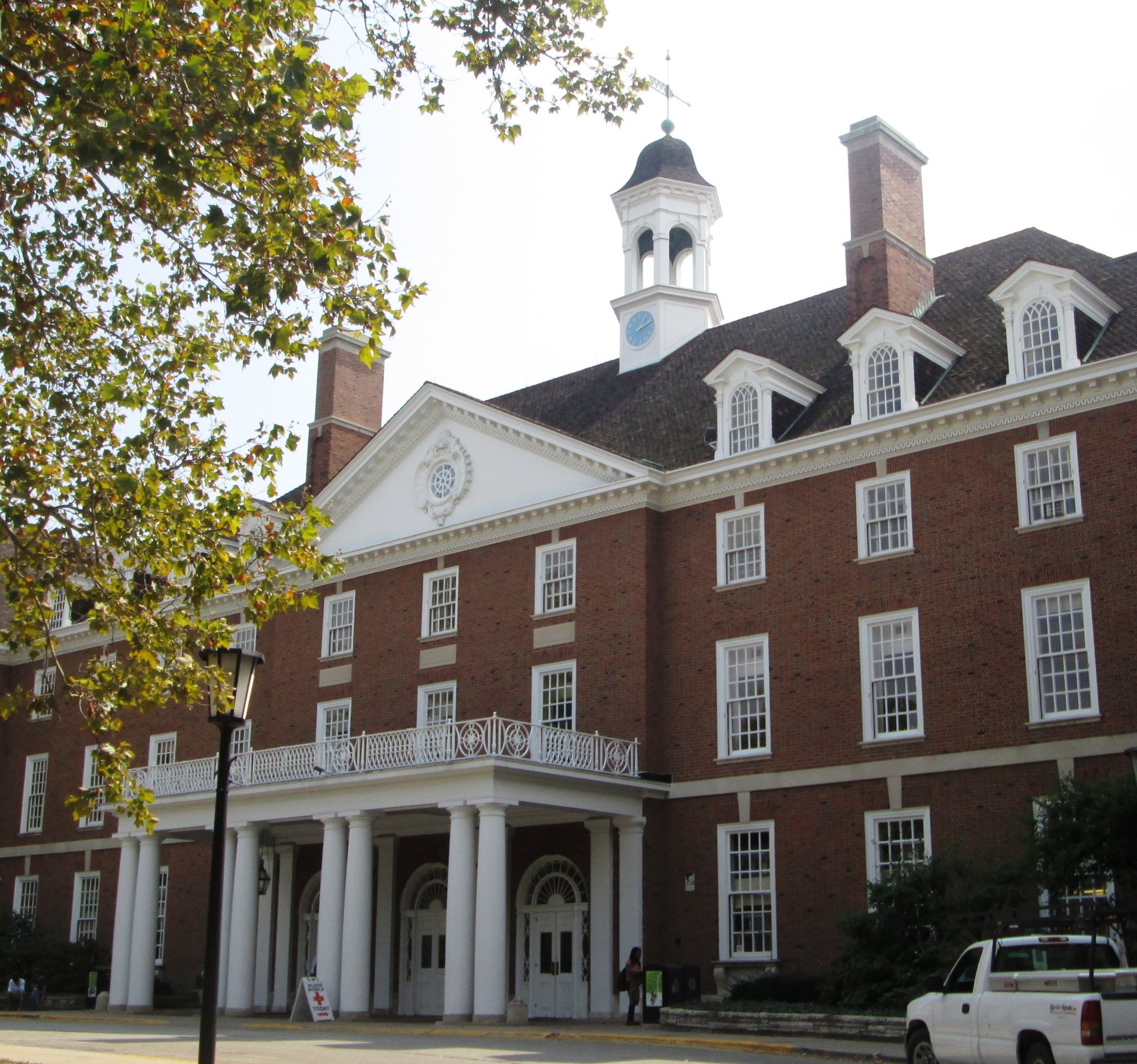
The University of Illinois, in coordination with the Jewish community, has announced commitments to address the alarming increase in antisemitic and anti-Zionist harassment and discrimination on its campus.
On Nov. 16, the university issued a joint statement, together with Jewish United Fund, Illini Hillel, Hillel International, Illini Chabad, Arnold & Porter, and the Louis D. Brandeis Center for Human Rights Under Law, recognizing years of antisemitic harassment of Jewish students at UIUC as “unacceptable” and conceding that “the university must do more.”
A federal civil rights complaint filed in March asked the U.S. Department of Education to investigate “an unrelenting campaign of intimidation and harassment” of Jewish and pro-Israel students at UIUC. The complaint was prepared by Arnold & Porter Kaye Scholer LLP, together with the Brandeis Center, in consultation with the Jewish United Fund and Hillel International.
The Jewish community thanked UIUC Chancellor Robert Jones for this important first step.
“The Chancellor’s validation of these students’ painful experiences is significant,” said JUF President Lonnie Nasatir. “We particularly appreciate the Chancellor’s acknowledgement that for many Jewish students, Zionism is an integral part of their identity and their ethnic and ancestral heritage – and that these students have the right to openly express identification with Israel.”
The university has pledged to safeguard the abilities of these students, as well as all students, to participate in university-sponsored activities free from discrimination and harassment.
“All Jewish students, including those who identify with Israel or Jewish campus organizations, should be able to participate in campus activities aimed at fighting racism and achieving social justice,” said Emily Briskman, JUF Associate Vice President of Campus Affairs and Executive Director of the Hillels of Illinois.
Jewish students who support Israel have faced discrimination and been “branded as ‘racists’ regardless of their attitude toward the policies of the current government of Israel,” said Alyza Lewin, President of the Brandeis Center.
Over the last five years, incidents have ranged from swastikas scrawled on campus dorms and a university-sponsored training with antisemitic content to repeated BDS campaigns and concomitant harassment of Jewish students on campus and in social media.
“We deplore anti-Semitic incidents on campus, including those that demonize or delegitimize Jewish and pro-Israel students or compare them to Nazis,” the chancellor’s statement said. “This subjects them to double standards that are not applied to others.”
This experience has taken a heavy toll on many Jewish students.
“I don’t want any other students to go through what my friends and I have gone through,” said UIUC junior Ian Katsnelson.
The Nov. 16 statement pledged that “[t]he university is committed to complying with applicable federal, state, and local antidiscrimination as a state and federally funded institution.”
“This statement and the commitment it demonstrates is important; however, it is only a first step,” said John Lowenstein, JUF Vice President of Campus Affairs. “The next steps will involve real work, including focused and regularly recurring educational programming regarding antisemitism, review and revision of practices and procedures, and the creation of an Advisory Council on Jewish and Campus Life that will consist of stakeholders who are ‘committed to the principles set forth in [the] statement.’
“As noted in our joint statement, ‘our collective and collaborative efforts will not end with these actions,'” Lowenstein said. “We look forward to ongoing collaborative work with the Chancellor and his team to convert the objectives outlined into action that achieves our shared, common values, including the freedom and security of all University of Illinois students.”
Other stories
-
Two local teens win national recognition
Recipients of the annual Diller Teen Tikkun Olam Awards
Read more -
Celebrating six young award winners cultivating the community
Introducing young adult award winners
Read more -