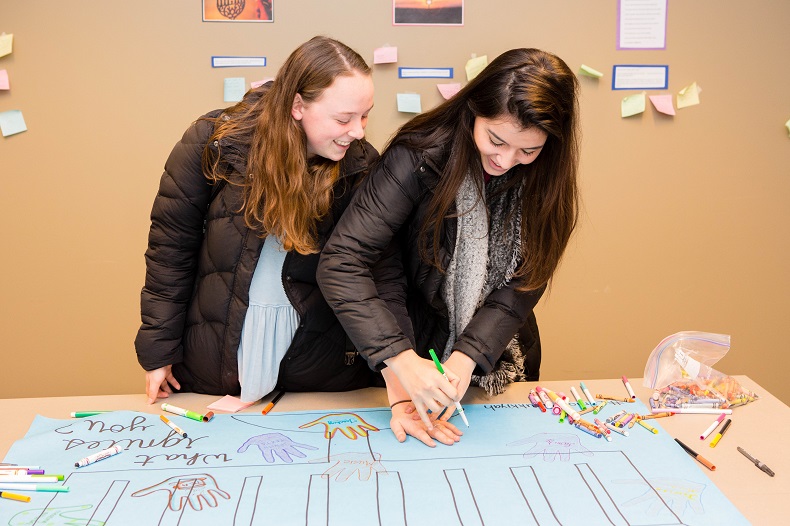
Hillel at Loyola University Chicago, one of ten campuses affiliated with Metro Chicago Hillel, put a twist on a muggle’s celebration of Hanukkah. Harry Potter Hanukkah was a week of experiences which celebrated the themes and traditions of Hanukkah while incorporating lessons and symbolism from J.K. Rowling’s popular book series.
“I found Harry Potter Hanukkah a very interesting way to view Hanukkah in a fresh ‘light,'” said Loyola student Elisheva Krinsky. “It caused me to think of new ways to see light, miracles, and our community.”
The week was jam packed with events – A Harry Potter Hanukkah Miracle table complete with a 9 ¾ photo booth, crafting hanukkiyot (menorahs) and wands while enjoying latkes and butter beer, movie nights, an interactive museum-style exhibit, and more.
Two events in particular highlighted the magic of the week. “Hanukkah and the Deathly Hallows” was a unique opportunity to examine values that shape the Jewish community and discuss Hanukkah as a re-dedication of the Jewish people, using Talmudic texts and concepts from Harry Potter. Students connected the Deathly Hallows to three values: pluralism, integrity, and community, and used this language to guide their discussion and nuanced interpretation of the text.
The week concluded with A Harry Potter Hanukkah Shabbat at Silverstein Base Hillel. The meal included British-inspired dishes, chocolate frogs, Bertie Botts Beans, and polyjuice potion. Students had a blast competing in a Tri-Wizard Tournament. Each table named their team and competed in tasks involving trivia, clay transfiguration, and “dragon eggs.”
“I never thought to look at Harry Potter from a Jewish perspective, but when comparing it to Hanukkah, the similarities are immense,” said Loyola student Sarah Steiner.
Hannah Bloomberg is the Jewish Life Associate for Metro Chicago Hillel at Loyola University Chicago and Northeastern Illinois University.
Other stories
-
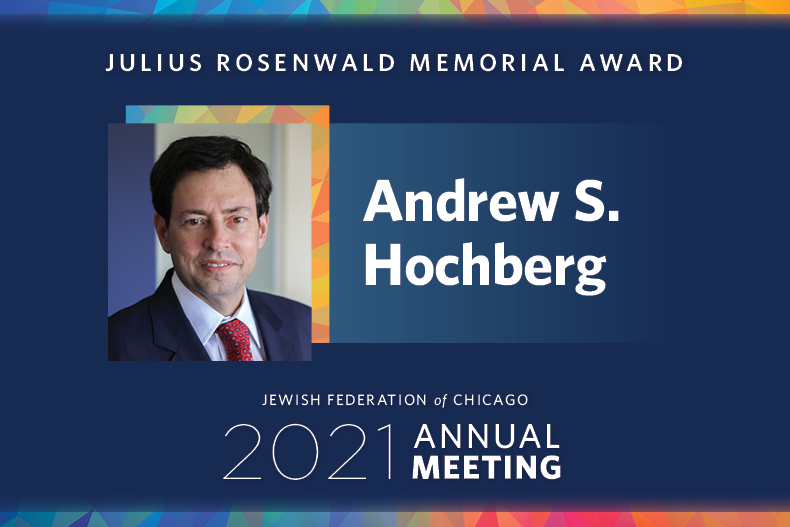
Meet Andrew S. Hochberg, 2021 Julius Rosenwald Memorial Award recipient
Celebrate Andy Hochberg at the virtual Annual Meeting on Sept. 14
Read more -
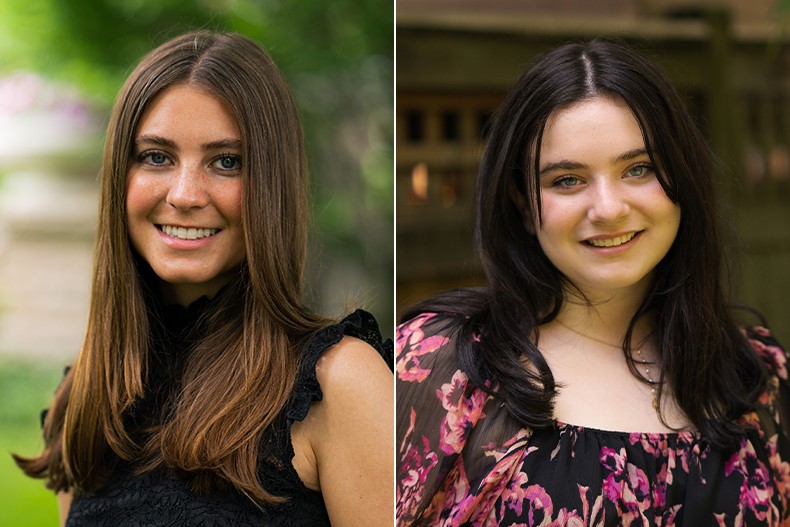
Two local teens win national recognition
Recipients of the annual Diller Teen Tikkun Olam Awards
Read more -
Celebrating six young award winners cultivating the community
Introducing young adult award winners
Read more
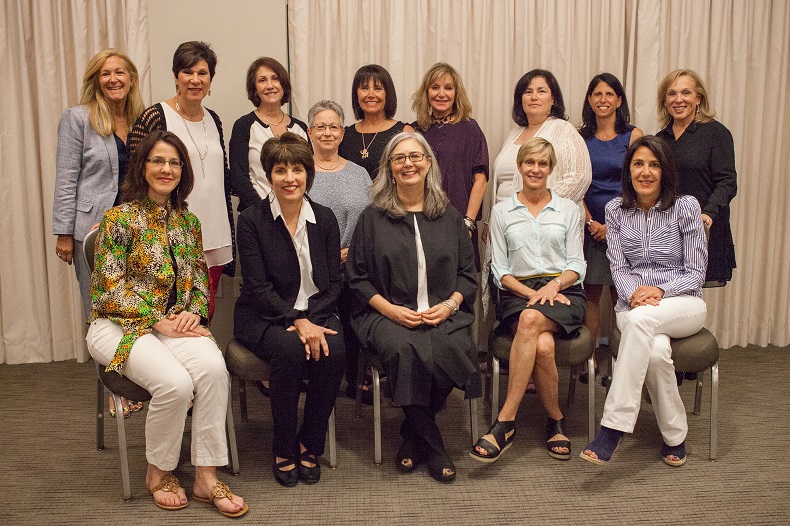
Jewish Women’s Foundation celebrates 20 years of bold, innovative grantmaking
Jessica Leving
Following in 20 years of philanthropic tradition, the Jewish Women’s Foundation of Metropolitan Chicago (JWF) has awarded $348,400 to 24 outstanding projects that improve the lives of Jewish women and girls in Chicago and around the world.
With more than 350 trustees and a pledged endowment of over $9 million, JWF-an independent project of the Jewish United Fund/Jewish Federation of Metropolitan Chicago- has awarded $3.7 million to 160 projects since its inception to improve opportunities in all aspects of Jewish women’s and girls’ lives. In particular, the Foundation looks to support innovative projects on the forefront of social change.
“JWF has always been at the forefront of social change,” said Nancy Kohn, JWF Chair. “We are proud that over the past 20 years, we have consistently been at the cutting-edge of philanthropy. Each year, we work to strategically provide support to organizations that impact women and girls. I’m honored to sit at the table with a group of informed, passionate Jewish women determined to be change-makers.”
Operating as a large-scale giving circle, JWF empowers Jewish women as leaders, funders, and decision-makers by mobilizing the collective power of the women who participate. Together, the Foundation’s grants fund strategic projects that create social change at the individual, communal and institutional levels. Areas of impact focus on justice, equality, and empowerment for women and girls locally and across the globe.
“JWF has a long legacy of meeting the needs of our changing community as they arise, and our docket this year reflects that,” said Annette Lidawer, JWF Grants Chair. “At a time when issues facing women and girls seem more urgent than ever, I’m proud and grateful to be able to take action through this giving circle. The programs we are supporting this year are doing absolutely critical work protecting women and girls’ rights and building up confidence and well-being, and I am so pleased to be able to help make that possible.”
The 2017 docket includes funding for eight new projects and nine renewal projects. This year’s total also includes multi-year grants and grants from The Ellie Fund at the Jewish Women’s Foundation of Metropolitan Chicago (see sidebar) .
A sample of JWF’s new grantees for 2017 include:
Sisterhood of Salaam Shalom (SOSS): SOSS builds trust, respect, and relationships between American Muslim and Jewish women. Together, the women commit to limit acts of anti-Jewish and anti-Muslim sentiment, stand up to hate against one another, and engage in social justice work. The Regional Facilitation Workshop will use interfaith experts and consultants to train local Jewish and Muslim leaders in facilitation skills, philosophies and best practices so they can in turn lead interfaith dialogue in SOSS’s 14 Chicagoland chapters.
jGirls Magazine: jGirls Magazine is an online community and magazine written by and for self-identifying Jewish girls ages 13-19. Content is created by teens, and curated by a teen Editorial Board. This gives them the opportunity to hone their communication skills, share their challenges and victories, explore identities, talk across differences, and engage with a community of peers on their own terms. In providing this forum for expression and exploration, jGirls contributes to long-term social change in the Jewish community by cultivating the next generation of bold, committed Jewish female leaders.
Olim Beyahad: Olim Beyahad increases the employment rate among Ethiopian Israeli university graduates by promoting their integration into the forefront of Israel’s workforce and giving them an equal opportunity to gain appropriate jobs that suit their education level. By integrating female participants into leading jobs, they become role models for Ethiopian Israeli women and wider society, while empowering the Ethiopian Israeli community, eliminating stereotypes and racism in Israeli society, and facilitating the community’s complete integration into Israeli society.
New grants have also been awarded to the Center for Women’s Justice, the Shatil-New Israel Fund Initiative for Social Change, Women of the Wall, Tahel – Crisis Center for Religious Women and Children: Victim Advocacy Program, and the ACLU — Roger Baldwin Foundation: Women’s Reproductive Rights Project.
In addition, JWF is funding the second year of a multi-year grant to the Jewish Women’s Funding Network, to support collaborative and effective efforts for women’s rights and gender equality in Israel with a focus on labor rights.
JWF renewal grants include: ATZUM – Justice Works: Task Force on Human Trafficking (TFHT); Mavoi Satum: Supreme Court Appeals Department: Advancing Change in the Realm of Personal Status in the State of Israel; SHALVA, Inc.: Legal Liaison Program ; Jewish United Fund/Jewish Federation of Metropolitan Chicago: Research Training Internship ; Project Kesher: Next Gen: If Not Now, When? ; Shalom Bait, Asociacion Civil de Prevencion de la Violencia Familiar: Pursuing Justice, the Law as a Tool of Change ; Bishvilaych : The Israel Breast Health Awareness Program ; The Eden Center: Crisis and Health Intervention Training for Israeli Mikveh Attendants ; and the Tel Aviv Sexual Assault Crisis Center: Sexual Assault Testimony Project.
About The Ellie Fund at the Jewish Women’s Foundation of Metropolitan Chicago
Ellen H. Block, a founding Lifetime trustee of the Jewish Women’s Foundation of Metropolitan Chicago and its first “Women Moving Millions” member, established The Ellie Fund at the Jewish Women’s Foundation of Metropolitan Chicago in 2013 with the first $100,000 of her multi-year Women Moving Millions pledge to JWF. The Ellie Fund at the Jewish Women’s Foundation of Metropolitan Chicago supports causes, issues, initiatives, and programs that promote safety, security, equal rights, equal voice and equal opportunities for girls and women.
The Jewish Women’s Foundation is an independent project of the Jewish United Fund/Jewish Federation of Metropolitan Chicago. For more information, visit http://www.juf.org/jwf/.
Grants awarded through the Ellie Fund for 2018 include:
Girl Forward: Enhancing Education and Mentoring for Refugee Girls in Chicago
Challenge Grant: Up To $10,000. GirlForward is a community of support dedicated to creating and enhancing opportunity for girls who have been displaced by conflict and persecution. This grant supports a Chicago Engagement and Education Specialist for Girl Forward’s Mentoring Program, which connects at-risk refugee girls with volunteer mentors.
Hillel the Right to Choose: Support for Ex-Haredi Women, Single Mothers and Children
Grant Amount: $20,000. Hillel serves the community of Yotzim (those who leave ultra-Orthodoxy to enter secular Israeli society) with counseling and community building services. This grant supports ex-Haredi Israeli women, single mothers and their children through Weekend Retreat Workshops and Single Mother Legal Aid.
Midwest Access Project (MAP): General Operating Support
Renewal Grant Amount: $10,000. As a Midwestern hub for training and advocacy, MAP fills gaps in medical education and clinical training, and reduces barriers to care. MAP restores reproductive health care options where none or too few exist in Illinois, and elsewhere in the Midwest, by training and supporting health care professionals willing to provide the vital services their patients need. This grant provides general operating support for MAP’s ongoing programs: 1) Individual Clinical Training; 2) Provider and Community Education; and 3) Regional Collaboration.
NATAL Israel Trauma & Resiliency Center : Empowering Women: Training Early Childhood Teachers to Become Leaders, Influencers, and Important Community Resources
Grant Amount: $20,000. NATAL delivers a unique, multidisciplinary model of psychological support to victims of terror and war in Israel. The Empowering Women program provides early childhood educators in Israel with the skills and knowledge to help children and their families impacted by the trauma of war and terror, while simultaneously acting as advocates for trauma awareness and resiliency.
Paamonim: Economic Empowerment for Single Mothers
Challenge Grant: Up To $15,000. Through financial education workshops and one-on-one coaching, this program provides single Israeli mothers with the knowledge, skills, and behavior changes needed to manage their own finances, repay debts, and make wise purchasing decisions, increasing their economic responsibility and promoting financial independence.
University of Chicago Medicine: WomanLab
Grant Amount: $23,000 (second year of two-year grant). The WomanLab project seeks to provide much-needed access for all women and girls affected by cancer to scientifically accurate, relevant, and actionable information about preserving and recovering female sexual function. WomanLab is the first online medical dissemination platform providing women affected by cancer, and their physicians, the critical information they need to preserve, optimize and advocate for female sexual function and overall health and well-being.
The following are detailed descriptions of the 2017 JWF grants:
Economic Security/Legal Reform for Women & Girls
ACLU — Roger Baldwin Foundation: Women’s Reproductive Rights Project
Grant Amount: $20,000. The ACLU operates a multi-faceted initiative to protect and defend the IL Health Care Right of Conscience Act, which provides patient protections surrounding reproductive health care. The Women’s and Reproductive Rights Project is a multi-year initiative to shift the conversation around religious restrictions on health care through advocacy, strategic litigation, message development and refinement, earned media, and broad public outreach.
ATZUM – Justice Works: Task Force on Human Trafficking (TFHT)
Renewal Grant Amount: $15,000. The Task Force on Human Trafficking engages the public, government, and enforcement agencies to confront and eradicate sex trafficking and lobbies for reform in the areas of prevention, border closure, protection of escaped women, and prosecution of traffickers, pimps and Johns.
Center for Women’s Justice (CWJ): Public Interest Litigatio, and Outreach Project: Tackling the Issues at the Root of Get Abuse
Grant Amount: $20,000. CWJ’s Public Interest Litigation and Outreach Project tackles the root of get abuse and systemic injustice against women in Israel through precedent-setting civil litigation-bolstered by educational outreach and public awareness activities.
Mavoi Satum: Supreme Court Appeals Department: Advancing Change in the Realm of Personal Status in the State of Israel
Renewal Grant Amount: $22,500. The Supreme Court Appeals Department works to create a legal civil track for marriage in Israel by passing legislation allowing for civil marriage and divorce that will significantly reduce discrimination against women in Israel. The specialized department creates new precedents that effect positive and long-lasting change, and exposes discrimination and injustice within the Chief Rabbinate.
Shalom Bait, Asociacion Civil de Prevencion de la Violencia Familiar: Pursuing Justice, the Law as a Tool of Change
Renewal Grant Amount: $20,000. Pursuing Justice, the Law as a Tool of Change provides legal assistance to Jewish women who are victims of domestic violence; creates and distributes information to the community; trains professionals in dealing with domestic violence; and advocates for implementation and improvement of Argentinean laws to better meet the needs of women who are victims of domestic violence.
SHALVA, Inc.: Legal Liaison Program
Renewal Grant Amount: $10,000. The Legal Liaison Program assists SHALVA’s clients in dealing with their legal issues. Two Legal Liaisons work closely together to improve the lives of Jewish women experiencing Intimate Partner Violence (IPV). The Liaisons train the family law community to recognize and understand the impact of IPV in divorce and parentage proceedings; recruit, train and retain family law referral attorneys; work with clients on the practical issues of divorce; and inform the legal community about systemic issues facing SHALVA’s clients.
Shatil-New Israel Fund Initiative for Social Change: Advancing Women’s Rights in Public Housing
Grant Amount: $7,500. Through cross-political and interreligious work, this project empowers and trains women to become advocates in favor of more equitable and fair public housing. It also seeks to advance legislation and monitor public policy surrounding fair and equitable housing for women in low income and/or single parent households.
Women of the Wall: Claiming What’s Ours
Grant Amount: $7,500. The central mission of Women of the Wall (WOW) is to attain social and legal recognition for women to pray freely at the Western Wall (Kotel). “Claiming What’s Ours” is the educational component of WOW’s overall operations. The project educates Israeli girls and women about gender equality, feminism and how the ultra-Orthodox monopoly over prayer unjustly silences women in the public sphere.
Education/Leadership Development for Women & Girls
Jewish United Fund/Jewish Federation of Metropolitan Chicago: Research Training Internship
Renewal Grant Amount: $11,000. This 10-month internship trains a select group of Chicago-area, Jewish high school girls to carry out an original research project on issues relevant to teen girls and present their findings to the Jewish community through public forums and publications. Participants learn research methods, critical thinking skills, and public debate and speaking skills. The research can be and has been used by Jewish community professionals to improve the programs they offer for this population.
jGirls Magazine: General Operating Support
Grant Amount: $10,000. jGirls Magazine is an online magazine and community for self-identifying Jewish teenage girls to share their voices with the world and each other. In providing this forum for expression and exploration, jGirls contributes to long-term social change in the Jewish community by cultivating the next generation of bold, committed Jewish female leaders.
Olim Beyahad: Employment, Empowerment, and Leadership for Excelling Ethiopian Israeli Women
Grant Amount: $15,000. Olim Beyahad increases the employment rate among Ethiopian Israeli university graduates by promoting their integration into the forefront of Israel’s workforce and giving them an equal opportunity to gain appropriate jobs that suit their education level. By integrating female participants into leading jobs, they become role models for Ethiopian Israeli women and wider society.
Project Kesher: Next Gen: If Not Now, When?
Renewal Grant Amount: $12,000. Next Gen equips women in the Former Soviet Union with leadership skills, strong Jewish identity, and the knowledge and ability to conduct system-wide social justice initiatives in their communities. The young women trained will receive ongoing mentoring and support from staff as they return to their communities in Russia, Ukraine, and Belarus even after the funding cycle is complete.
Sisterhood of Salaam Shalom (SOSS): Chicago Regional Facilitation Workshop
Grant Amount: $13,400. SOSS builds trust, respect, and relationships between American Muslim and Jewish women. The Regional Facilitation Workshop will use interfaith experts and consultants to train local Jewish and Muslim leaders in facilitation skills, philosophies and best practices so they can in turn lead interfaith dialogue in SOSS’s 14 Chicagoland chapters.
Health & Well-Being for Women & Girls
Bishvilaych : The Israel Breast Health Awareness Program
Renewal Grant Amount: $14,000. The Breast Health Awareness Program targets women in low socioeconomic religious communities throughout Israel who are at high risk for breast cancer. Women in each community receive informative, practical workshops on breast cancer, genetic testing, and breast self-exam training to assist them in becoming proactive about breast health. Primary care physicians, obstetricians, and gynecologists from each community are trained by staff breast surgeons in clinical breast examinations.
The Eden Center: Crisis and Health Intervention Training for Israeli Mikveh Attendants
Renewal Grant Amount: $20,000. The Crisis and Health Intervention Training for Israeli Mikveh Attendants educates and empowers mikveh attendants and mikveh bridal counselors as first responders and advocates for women’s health by training them to look for signs of: abuse, breast health, postpartum depression, and domestic violence.
Tahel — Crisis Center for Religious Women and Children: Victim Advocacy Program
Grant Amount: $12,500. Tahel helps all women and children in Israel who have been victimized or abused. The Victim Advocacy Program will train women community leaders, such as Rabbi’s wives, mikveh attendants, kallah (bridal) teachers, school principals and staff, and Torah lecturers, in Ultra-Orthodox low socio-economic communities in Israel to recognize, reach out, intervene, support and advocate for victims of domestic violence and sexual abuse.
Tel Aviv Sexual Assault Crisis Center: Sexual Assault Testimony Project
Renewal Grant Amount: $15,000. The Sexual Assault Testimony Project helps survivors of sexual violence liberate themselves from their hidden traumas and add their voices to Israel’s collective story. The project includes audiovisual documentation of survivors’ personal testimonies of sexual assault, aiming to help end the conspiracy of silence and enabling survivors to raise their voices and share their stories within a safe space, turning the personal into the political and redefining Israel’s discourse around sexual violence.
Multiyear Grant to Address the Needs of Mothers and Women at Work – Year Two
Jewish Women’s Funding Network (JWFN)
Grant Amount: $5,000. Second installment of two-year collaborative grant. This grant, totaling $150,000 over two years, supports collaborative efforts for women’s rights and gender equality in Israel with a focus on labor rights. The grant will be led by two coalitions (The Coalition for Direct Employment and Shutafot) who will promote direct employment of women in certain professions in Israel. The grant will focus on both local and national strategies simultaneously, with a greater emphasis on the local municipalities in the first year to influence the local elections that are taking place in October 2018. JWFN expects this project will create successful advocacy efforts to effect policy and workplace practices and lead to enhanced visibility for JWFN collaborative grantmaking.
Other stories
-
Two local teens win national recognition
Recipients of the annual Diller Teen Tikkun Olam Awards
Read more -
Celebrating six young award winners cultivating the community
Introducing young adult award winners
Read more -
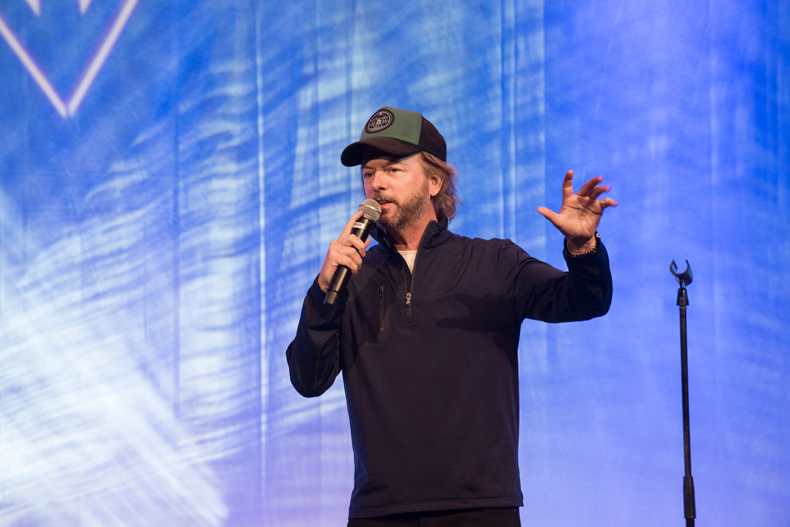
YLD’s Big Event Fundraiser features David Spade, celebrates 10 years of big names, big laughs, and big impact
Jessica Leving
When JUF’s Young Leadership Division hosted its first annual ‘Big Event’ fundraiser 10 years ago, it was indeed a big event, with some 700 Jewish young adults gathering to hear the music of Jewish reggae artist Matisyahu one Chanukah night in 2008.
A decade later, the now-annual event has tripled in size. Last Saturday, Dec. 9, more than 2,000 young Jewish Chicagoans packed the Sheraton Chicago hotel for the comedy show and fundraiser, which this year featured Saturday Night Live alum David Spade-the Emmy-nominated TV and film star known for his hilarious roles in Joe Dirt, Tommy Boy, Grown Ups, and Just Shoot Me .
“It was so amazing to see over 2,000 young people come together to celebrate the important work of JUF,” said Lisa Tarshis, 2017-2018 YLD President. “It was an incredible evening filled with laughter, fun and friends.”
Over the last decade, top comedians including Jimmy Fallon, Sarah Silverman, Amy Schumer, Aziz Ansari, Seth Meyers, and Key & Peele have headlined the event-but what hasn’t changed is that YLD’s Big Event Fundraiser is the place to be each year for young Chicago Jews to demonstrate their commitment to the community. Since the inaugural event 10 years ago, generous young adults have donated more than $3 million to support JUF’s work transforming the lives of over 500,000 Chicagoans of all faiths-and millions of Jews worldwide.
“Together, we have accomplished so much as a community,” said Courtney Cohen, 2018 YLD Campaign Chair. “We couldn’t be more proud of how this event has grown in the past ten years to become the largest annual gathering of Jewish young adults in the country. I look forward to seeing what the next ten years will bring!”
The show was preceded by a special VIP reception at the Loews Chicago Hotel for members of the Ben-Gurion Society (BGS), a national donor recognition society for adults age 25-45 who make a contribution of at least $1,000 to the JUF Annual Campaign. Here in Chicago, there are over 700 BGS members, accounting for almost $3 million of the annual campaign.
Spade’s set was followed by an after-party, also at the Loews, featuring two hours of open bar, late-night food, and live music-and, for those who wanted to keep the party going all night long, an after-after party sponsored by Hubbard Inn.
The event was originally scheduled to feature James Corden, but he was unable to attend due to a private family matter.
Big Laughs
Known for his sarcastic wit, award-winning comedy veteran David Spade jumped in to keep the crowd entertained with a hilarious stand-up set featuring wry commentary on some of life’s more mundane moments-including the travails of travel, that moment when the scale doesn’t say what you’d expect at your annual physical, and eating out alone.
“Sometimes you go to a restaurant and it says ‘market price.’ I think this is the biggest scam. I think the waiter just tries to guess how rich you are,” Spade told the crowd.
With his token self-deprecation, Spade also joked about his unsuccessful attempts to pick up women, his horror at catching a glimpse of himself in a nine-way mirror at a department store, and how he likes to throw in friend and frequent co-star Adam Sandler’s name everywhere he goes.
“I go to McDonalds, ‘Oh, you do don’t have the McRib anymore? Adam Sandler’s not gonna like this!”
In an exclusive post-show interview, Spade gave us inside scoop on his upcoming audiobook, movie for Netflix, and work on new political sitcom The Mayor with Lea Michele and Brandon Michael Hall.
“It’s been fun, it’s so different for me,” he said of The Mayor . “It’s fun to get thrown into a different situation like that. Everyone’s very sweet and I think there’s some really talented people.”
JUF’s Young Leadership Division is committed to building a better Jewish community in Chicago, Israel, and around the world. Dollars raised for the 2018 JUF Annual Campaign at YLD’s Big Event Fundraiser are allocated to a network of nearly 70 agencies and programs that care for 500,000 Chicagoans of all faiths and two million Jews around the world.
A special thank you to YLD’s Big Event Fundraiser Corporate Sponsors: Lead Sponsors – Eleven City Diner and The Gallery Luxury Residences/Magellan Development. Platinum Sponsors – Chicago Financial Services, The Cohn Weisskopf Oxman Group at Morgan Stanley, and Lettuce Entertain You Enterprises Inc., Event Sponsors – HFF. Table Host Program Sponsor – DineAmic group. After-After Party Sponsor – Hubbard Inn. Supporter – Sheraton Grand. Another special thank you to the 150 Table Hosts whose support of this event made it an enormous success.
For photos from YLD’s Big Event Fundraiser, check out YLD’s Facebook page at facebook.com/ChicagoYLD . For more information, visit yldchicago.org .
Other stories
-
Two local teens win national recognition
Recipients of the annual Diller Teen Tikkun Olam Awards
Read more -
Celebrating six young award winners cultivating the community
Introducing young adult award winners
Read more -
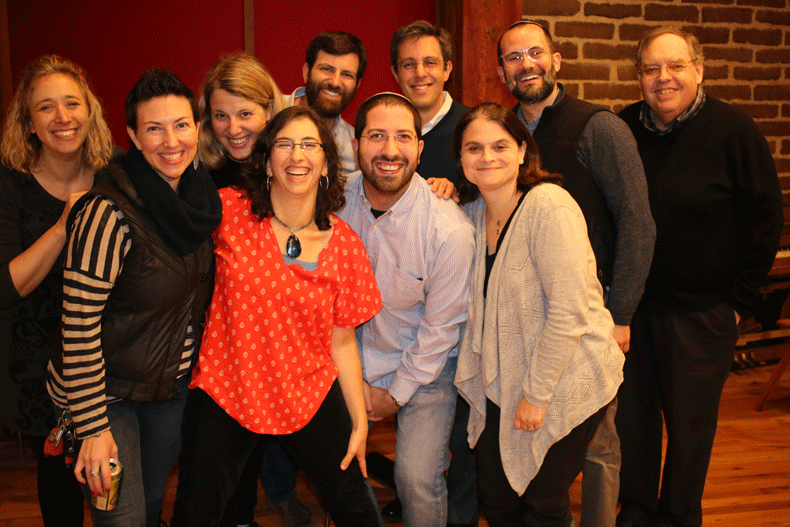
We’ve all heard the one about when a rabbi walks into a bar, but what happens when nine rabbis walk into a recording studio?
Nine Chicago-area rabbis convened to record voiceovers for BimBam’s Rabbi Writers Lab in October. BimBam, formerly G-dcast, is a San Francisco-based nonprofit media studio that produces introductory-level videos explaining Jewish texts, holidays, traditions, and other aspects of Judaism for both kids and adults.
“We don’t have a rabbi or Jewish educator working fulltime on our staff, so we have traditionally reached out on an ad-hoc basis to rabbis,” said Sarah Lefton, founding director of BimBam.
“[We chose Chicago because] we happened to know a lot of rabbis in Chicago, and an anonymous foundation stepped up and asked how we can do some local work in Chicago.”
Rabbis Danya Ruttenberg, Josh Feigelson, Jordan Bendat-Appell, Wendi Geffen, Michael Balinsky, David Wolkenfeld, Lizzi Heydemann, Reni Dickman, and David Russo participated. Each rabbi recorded a video explaining a different part of the liturgy, ranging from Ashrei to the Amidah.
“Liturgy is a topic we haven’t covered yet,” Lefton said. “We have three major areas of interest on our website-one of those is Judaism 101, the ‘how do I, why do I’ section. This is one of those things we’ve been hearing that people want forever.”
As a pluralistic organization, BimBam purposefully chose rabbis representing diverse perspectives, from non-denominational to Orthodox.
“We each have unique voices and unique ways of saying things,” said Ruttenberg, the rabbi-in-residence at Avodah: The Jewish Service Corps. “Rabbi Lizzi’s piece on the Shema is very poetic and meditative, while my piece on Kaddish is more historical.”
Each rabbi was asked to prepare a script. Before recording the voice-overs for the animated videos, the rabbis workshopped their pieces with their peers.
“The best part was when we each read our script [to each other],” said Michael Balinsky, executive vice president of the Chicago Board of Rabbis. “We worked together on each other’s scripts, and there was really great sense of trust and collegial working together. That sense of collaboration and producing good educational material is a model.”
Four of the videos will be released in December, while others will be published in early spring. To learn more about BimBam, visit bimbam.com.
Other stories
-
Two local teens win national recognition
Recipients of the annual Diller Teen Tikkun Olam Awards
Read more -
Celebrating six young award winners cultivating the community
Introducing young adult award winners
Read more -
More than a decade ago, I sat in a seminar with directors of Jewish camps from across North America where the speaker challenged us to create connections at camp between kids and Israel that were about more than just “falafel and camels.” The audience responded with a few laughs and chuckles, some finding humor in his statement and others, like me, feeling the discomfort of knowing that we might be falling short in our presentation of Israel at camp.
Since then, JCC Chicago day and overnight camps have applied the same approach they use for continually updating activities to enhancing Israel Experience & Culture programs at camp. Similar to introducing a new methodology for swim lessons or adjusting staff training to meet the learning styles of millennials, Israel at JCC Chicago camps now looks dramatically different today than it did 30, 10, and even two years ago. Through language, history and science, along with food and music, campers engage in hands-on activities that present a richer picture of life in Israel today.
This summer, JCC Chicago is launching a new camp that will not only change the makeup of Jewish day camp in Chicagoland, but will also create a new framework for developing personal connections to Israel.
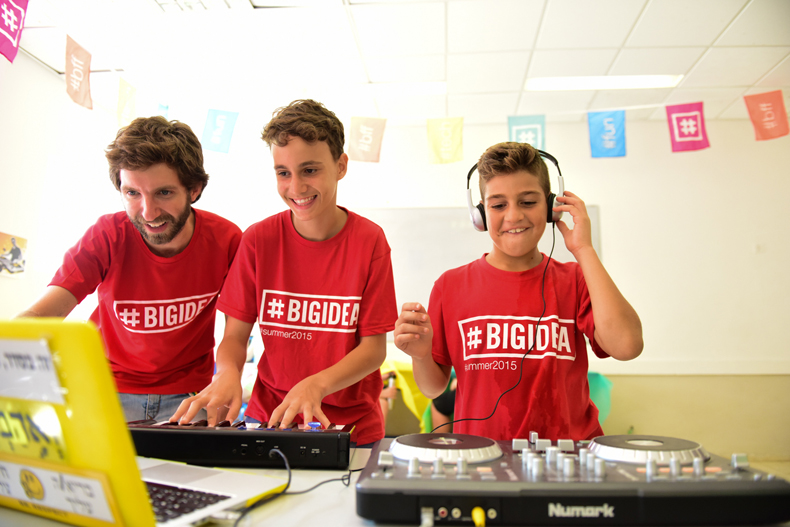
BIG IDEA at JCC Chicago is the first-of-its-kind technology camp in the Chicago area. Creative and curious campers choose from 13 different workshops, including gaming, graphic design, coding, robotics, electronic DJ-ing, mobile app development, music video production, and more. Campers are encouraged to explore, learn, engage, and achieve in the spirit of Israel’s high-tech industry.
JCC’s partner in bringing Israeli innovation to Chicago is BIG IDEA Educational Projects, the leading Israel tech education organizer since 2008. The program and instructors provide expertise in technology summer camps along with a commitment to launching the next generation of entrepreneurs and thinkers.
We believe that summer shouldn’t feel like school; it’s for experimenting and creating while having fun. BIG IDEA offers all of this and more. Each day blends time spent on computers with “unplugged” activities-swimming, sports, art. All workshops are interactive and campers need no previous knowledge to participate. Technology exploration takes place in small groups of no more than eight campers, allowing for individualized attention and collaboration. Instructors from Israel and the U.S. encourage campers to find their passions and then help take them to the next level.
By meeting tweens and teens where they’re at in the world of technology, BIG IDEA introduces them to a new context for Israel as a world leader in tech development and innovation. At BIG IDEA, campers gain new skills, explore new interests, meet new friends, and appreciate a new view of Israel. Alongside everything they learn in their workshops, campers’ pride in the story of modern Israel’s success in technology creates a meaningful connection to contemporary Israel that goes way beyond the days of falafel and camels.
BIG IDEA takes place at the Bernard Weinger JCC in Northbrook from June 18-August 10. The program is designed for campers entering 4th-9th grades. Sessions last for two weeks. For more information, visit jccchicago.org/bigidea or call (847) 272-7050.
Jamie Lake is the former assistant director of JCC Camp Chi. She currently serves as the marketing manager for the 12 JCC Chicago day and overnight camps.
Other stories
-
Two local teens win national recognition
Recipients of the annual Diller Teen Tikkun Olam Awards
Read more -
Celebrating six young award winners cultivating the community
Introducing young adult award winners
Read more -
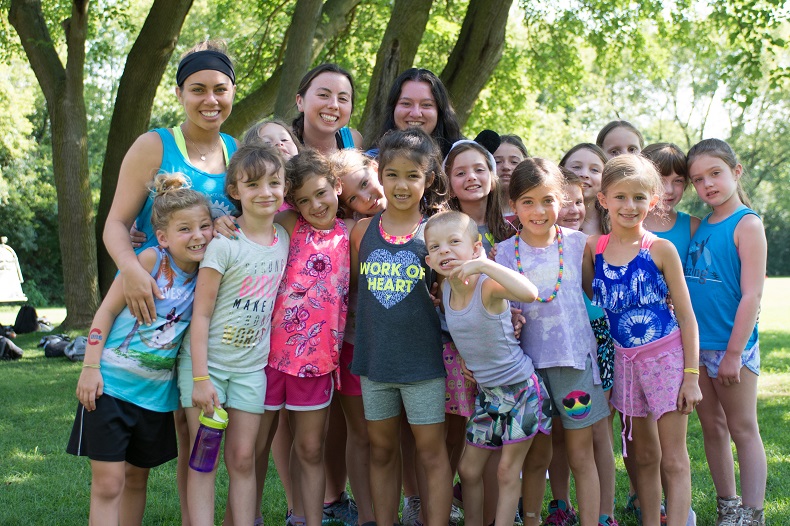
Summer camp is one of those experiences many people look back on with a smile. Song sessions, campfires, swimming, arts and crafts, and friendships made over the summer that often last a lifetime. Everyone deserves the opportunity to experience camp life-and with more and more summer camps fostering a culture of inclusion, children with disabilities are no exception.
Inclusive summer camp programming is structured so all campers participate together in the full range of activities offered by the camp. Campers with disabilities receive appropriate support and services based on their individual needs. At overnight camps, children with disabilities live in the same cabin as their peers and they experience camp in the same way as everyone else.
Keshet offers educational, recreational, vocational, residential, and social programs for individuals with disabilities, and is fully focused on inclusion. Keshet supports children in existing Jewish summer camps, providing unparalleled opportunities for campers with disabilities to build new friendships, develop social skills, independence, and confidence, while having a summer full of fun.
Keshet offers the only eight-week full day and overnight options for individuals with intellectual disabilities ages 3 to 21. Programs are offered in 17 locations in the Chicago area, into Wisconsin and Indiana, and has had campers from all over the country including California, Minnesota, Indiana, and Washington, DC.
Benefits of inclusion enrich the entire camp community. Keshet’s commitment to inclusion positively impacts peers and staff by teaching patience, tolerance, and acceptance. Keshet’s focus on inclusion encourages campers to help their peers participate in every camp activity, no matter what challenges they have.
One of the keys to successfully fostering a culture of inclusion at camp is intensive staff training, which Keshet provides prior to the beginning of the camp season and throughout the summer. A Keshet director is on site to supervise and mentor counselors who provide one-on-one support to a child with a disability. The supervisor also identifies and implements appropriate modifications and demonstrates how to adapt activities as needed. Individualized camper care plans are created to clearly identify challenges and establish goals for growth, which allow counselors to provide the best possible support.
Jen Phillips, Keshet’s Director of Recreation and JCC Camp Chi’s first year-round Inclusion Coordinator, summed up inclusion this way: “You would be hard pressed to know who our campers with disabilities are at camp. They are completely immersed in the camp community just like everyone else.”
This past summer Keshet served nearly 250 campers with a variety of disabilities. This would not be possible without the support of our partners, including JCC Chicago Day Camps, JCC Camp Chi, Ramah Day Camp, JCYS, Junior Gan Israel, and Camp Nageela.
Keshet is a partner with the Jewish United Fund in serving our community.
Deborah Bloom is a Communications volunteer for Keshet.
Ilana Carp is the director of Marketing & Communications for Keshet.
Other stories
-
Two local teens win national recognition
Recipients of the annual Diller Teen Tikkun Olam Awards
Read more -
Celebrating six young award winners cultivating the community
Introducing young adult award winners
Read more -
JUF Russian Jewish Division's Gala Fundraiser unites community
Lisa Pevtzow
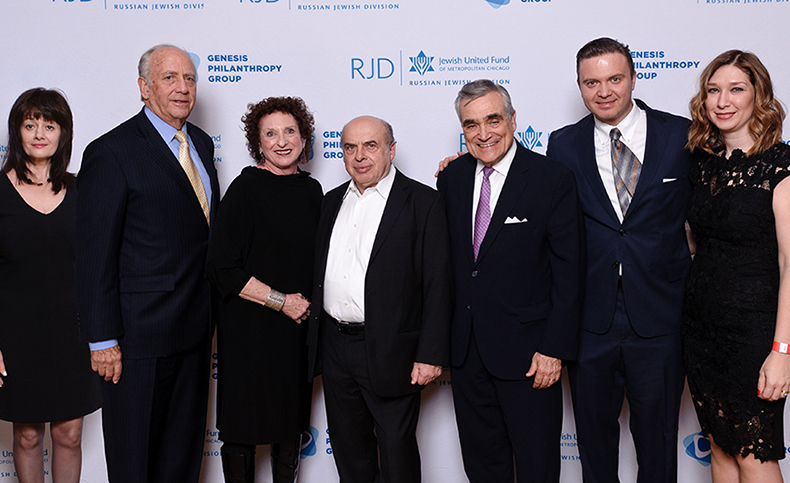
On Thursday evening, at an event filled with stories of sacrifice and courage, a sold-out crowd of 400 people celebrated the 30th anniversary of Freedom Sunday and today’s success of Chicago’s Russian-speaking Jewish community. The evening also honored several of our community’s outstanding leaders.
Leaving everything behind decades ago, immigrants from the former Soviet Union jumped into the unknown to escape anti-Semitism and repression and live as free Jews in America. “I had the luxury to assume that merit would determine what I could do with my life, and that my Jewish identity would not stand in the way of my success,” said Ilya Trakhtenberg, Russian Jewish Division’s (RJD) Advisory Board incoming chair and a co-host of the Gala Fundraiser, in the welcoming remarks . “That certainly isn’t the world in which my parents grew up, but it is definitely the world that they dreamed of for their children, and it is the world in which I gratefully raise mine.”
“Most of us left the Soviet Union with nothing,” said Alex Turik , the chair of the RJD Advisory Board. “Now is our turn, our responsibility, our privilege to give back to the community that gave so much to us. Tonight, we show our gratitude for living in a time and place where there are few limits to how much we can achieve.”
RJD’s Gala Fundraiser brought together the many strands of a shared story-the exodus of the Soviet Jewish community and their resettlement in Chicago. Gala attendees included leaders of the Free Soviet Jewry Movement, community professionals who resettled the new immigrants, host families, and most importantly, the immigrants themselves.
By the end of the night, there was no “their story” and “our story.” There was only one story, one narrative. And it was inspired by the courage and leadership of those who marched and advocated and raised funds to free the Soviet Jews and those in the former Soviet Union who left everything behind and made a leap into the unknown.
“I feel so lucky that today Russian Jews are able to marry under the chuppah and have brises for our sons,” said Olga Abezgauz, a member of the RJD Advisory Board and one of the evening’s co-hosts. “We can send our kids to Jewish schools and youth groups and openly celebrate our Jewish culture and heritage.”
Abezgauz and her husband are among the 40,000 Jews from the former Soviet Union who settled in Chicago. “The fact that we are able to give our children Jewish names makes all the hardship and the struggle worth it,” she said.
RJD’s Gala also marked the 30th anniversary of Freedom Sunday, the massive march and rally in Washington, D.C. that helped free nearly 2 million Jews from the Soviet Union. A quarter of a million people-including many present at the Gala-stood on the National Mall that freezing Sunday in 1987, demanding that Soviet Premier Mikhail Gorbachev let their people go.
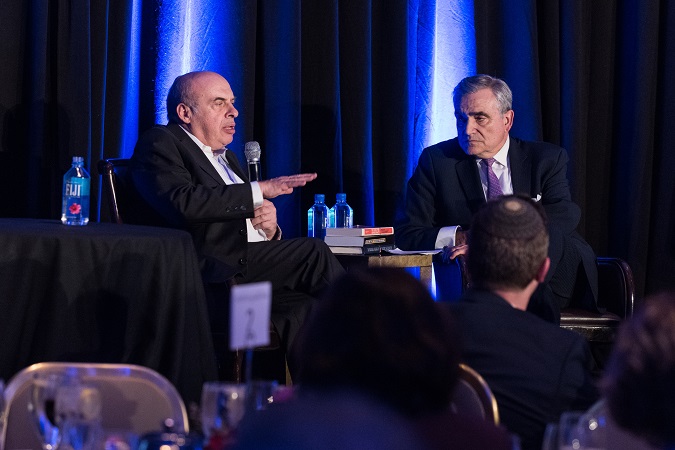
Appropriately, the driving force behind the march-legendary human rights activist Natan Sharansky-was the Gala’s keynote speaker, interviewed by JUF President Dr. Steven B. Nasatir. In 1973, Sharansky, an ardent Zionist who longed to make aliyah (immigrate to Israel), was denied an exit visa to Israel. Four years later, he was arrested on multiple charges, including high treason and spying for Americans, and spent nine years in a Soviet prison, much of the time in solitary confinement.
“Our struggle could not have survived one day if the American Jews did not struggle with us,” said Sharansky, now the Chairman of the Executive of the Jewish Agency for Israel. “When the KGB said I was alone and I was abandoned, I knew the Jewish people kept fighting for me.”
A highlight of the evening was an awards ceremony honoring six individuals who have served the Russian-speaking Jewish community with passion and purpose.
Receiving awards were Maya Gumirov, Supervisor and Russian Survivor Coordinator of Holocaust Community Services; Suzanne Franklin, the retired director of HIAS Chicago; Turik, who co-founded the group that became JUF’s Russian Jewish Division and chairs RJD’s Advisory Board; Genia Kovelman, founding director of RJD; Harvey Barnett, a leading advocate for Soviet Jews and a former Chairman of the JUF Board of Directors; and Nasatir, who made the plight of the Soviet Jews a national priority and was one of the chief architects of Operation Exodus, the country-wide effort that raised $1 billion to resettle Soviet Jews. Nasatir accepted his award on behalf of the Jewish United Fund of Metropolitan Chicago. ( Watch the awards presentations )
For Barnett and many others, the night was incredibly emotional. It brought back memories from their struggle to free Soviet Jews, and also evoked feelings of great pride in what the Russian-speaking Jewish community has accomplished.
“For us in the Soviet Jewry movement and for all who gave or participated in Operation Exodus or hosted families, freedom for the Soviet Jews was the quintessential moment of Kol Yisrael arevim zeh leh zeh -All Israel is responsible one for the other,” Barnett said.
“When the Jewish people are united, they can accomplish miracles and make dreams happen,” he said.
Ilia Salita, the president and CEO of Genesis Philanthropy Group, a global foundation dedicated to strengthening Jewish identity among Russian-speaking Jews worldwide, whose partnership with JUF makes the work of the RJD possible, said in his remarks : “Tonight’s powerful gathering demonstrates the kind of tremendous success that can be achieved, when American Jewish experience, knowledge, and organizational capacity combine with the rising force of Russian-speaking Jewry-for stronger community, for vibrant Jewish life, for meaningful engagement, and for staunch support of the State of Israel.”
At the end of the emotional and moving evening, Abezgauz looked around the room and asked whether their parents made the right decision to leave so that their children could have better lives.
“The answer is a loud and resounding yes!” she said. “And the best way we can repay them is by living as free men and women, by expressing our Jewish identity and by giving back to the community.”
JUF’s Russian Jewish Division is funded in part by Genesis Philanthropy Group, a private foundation focused on developing and enhancing a sense of Jewish identity among Russian-speaking Jews worldwide. In addition to JUF and Genesis Philanthropy Group, the RJD Gala Fundraiser is partially underwritten by corporate sponsors. For more information, please email [email protected].
Lisa Pevtzow is a freelance writer living in the Chicago area.
Other stories
-
Two local teens win national recognition
Recipients of the annual Diller Teen Tikkun Olam Awards
Read more -
Celebrating six young award winners cultivating the community
Introducing young adult award winners
Read more -
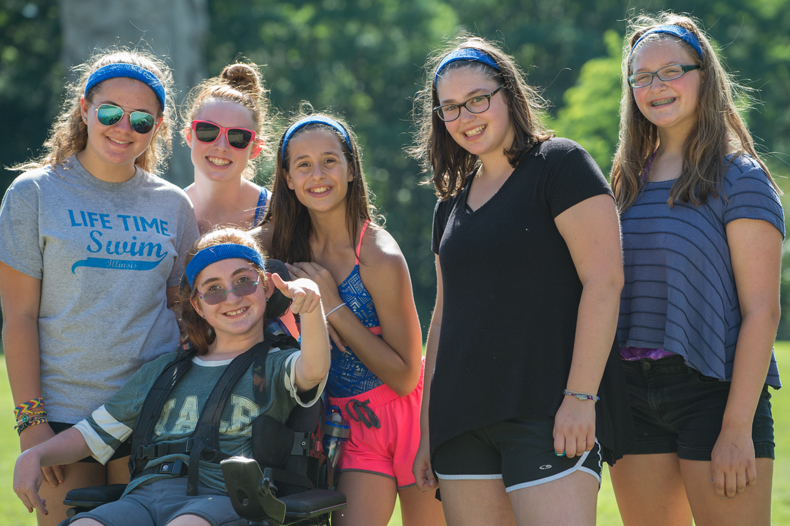
With 10 Jewish overnight camps recruiting among the more than 300,000 Jews in the Chicagoland region and Southern Wisconsin, one might think that recruitment season would be spent trying to out-market, out-price, and out-schmooze each other to increase their numbers each year. But the professionals of the Midwest Camp Leadership Network choose to do things differently.
With decades of experience engaging Jewish kids and their families in transformative, immersive Jewish summer experiences, the directors from Beber Camp, Camp Interlaken JCC, Camp Moshava Wild Rose, Camp Nageela Midwest, Camp Ramah in Wisconsin, Camp Young Judaea Midwest, Habonim Dror Camp Tavor, JCC Camp Chi, JCYS Camp Henry Horner, and URJ Olin Sang Ruby Union Institute see more in each other than just competitors.
From pluralistic to Zionist and Reform to Orthodox, these camps truly represent the breadth and depth of Jewish life today. Though the camps affiliate with different movements and offer unique programs, collectively, “the shared goal is getting kids to Jewish camp,” said Becky Altman, Director of Beber Camp.
As Rabbi David Soloff, CEO of Camp Ramah in Wisconsin and one of the co-chairs of the Midwest Jewish Camp Directors group, puts it, “Collaboration has taken away the sense of internal competition between our camps, and instead elevates the entire field, allowing camps to focus on best practices in many areas.”
For many years the Midwest Jewish Camp Directors group included only the senior leadership of each camp. Fifteen years ago, the group began meeting three times a year to network and address common challenges and opportunities for Jewish camping in the region. Last year, with the help of the Foundation for Jewish Camp (FJC) and a local donor, the Midwest Camp Leadership Network (MCLN) was established to further expand the impact of the group’s collaboration and provides a framework for the group. MCLN is designed to include all members of the 10 camps’ year-round professional teams in shared professional training programs.
“We realized that if we want to be an excellent Jewish camp, we need to invest in all our leadership to remain relevant,” said Stefan Teodosic, executive director of Beber Camp and co-chair of the Midwest Jewish Camp Directors group.
The network convenes twice a year for training seminars and is in its second of its three-year span. With a goal to act locally and engage nationally, the new immersive cohort experience utilizes components from Foundation for Jewish Camp’s signature national leadership initiatives , tailored and enhanced to meet the unique local needs and opportunities of these Midwest Jewish camps. Participating camps also have access to an advisor for 1:1 coaching and planning, and ongoing networking activities.
MCLN held its third training seminar which focused on handling difficult conversations with various stakeholders, including conversations with supervisory staff, camper parents, community partners, board members, and more. The workshop also included a session led by Rabbi Jessica Lott, interim director of the Meyerhoff Center for Jewish Experience at Hillel International, exploring the unique needs and perspectives of Generation Z and their relationship to Jewish life.
This model of successful collaboration has the potential to improve professional networks as well as programming work in other areas of the country that have multiple Jewish camps. And this initiative has allowed the camps to find a real common ground and gain an appreciation for each other through their work together.
“The benefit or privilege to participate in something like this is a win-win because it is high quality, locally-based resource development,” said Soloff.
Through FJC’s efforts to strengthen Jewish camps one camper, professional, and camp at a time, the field of Jewish camp would benefit from seeing many more regional networks develop in the near future.
“As Jewish camping has become a professionalized career path which people aspire to pursue, the quality of the professionals working in the field continues to rise,” said Brad Finkel, director of JCC Camp Chi. “MCLN is a model that allows different movements and camps to come together to better each other, ultimately helping to advance the field.”
Julie Finkelstein is the director of Leadership Development at Foundation for Jewish Camp where she works on programs that support Jewish camps and their leaders across North America.
Other stories
-
Two local teens win national recognition
Recipients of the annual Diller Teen Tikkun Olam Awards
Read more -
Celebrating six young award winners cultivating the community
Introducing young adult award winners
Read more -
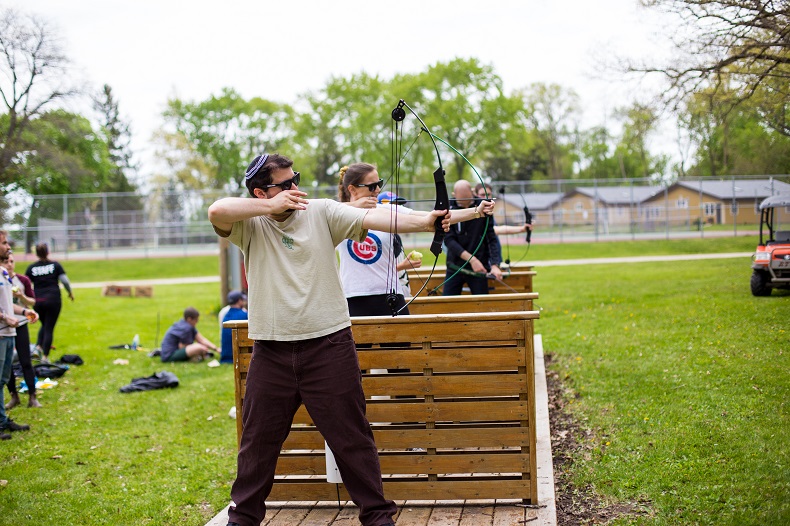
While summer camp has traditionally been a rite of passage for children and teenagers, two Chicago-based organizations offer unique Jewish summer camp options for adults.
Mishkamp
While she worked at a day camp as a teenager, Ellie Spitz, Mishkan Chicago’s Director of Community Engagement and Wellness, never had the opportunity to attend camp as a kid. When Spitz started working at Mishkan, she met others who had never gone to camp and felt like they missed out.
Those conversations led Spitz to create Mishkamp, a three-day retreat hosted by Beber Camp in Mukwonago, Wisc.
“Mishkamp is a taste of Jewish summer camp for those who have never been or are missing that experience and want that taste of camp again,” Spitz said. “Retreat and immersive experiences are things I care about, and I think there’s magic in taking people out of their daily routine. It can be transformational.”
The camp attracted 45 campers during its second year of operation in 2017, including Lilia Rissman. “I didn’t go to camp as a child, but I know it was a really formative experience for my dad, and he felt sad that we weren’t in a place financially to send me and my two siblings to camp growing up,” Rissman said. “One of the themes of Mishkamp was opening up spaces that are separate or exclusive in Jewish life, demystifying them, explaining them, making them something that everyone can share in.”
Throughout the weekend, campers participate in typical summer camp activities, ranging from musical jams to recreational time at the lake. “It’s the whole summer condensed into one weekend,” Spitz said. “Instead of going to rock climbing every day, you go once.”
Like Mishkan’s services and events, Mishkamp strives to be inclusive and accessible to all, regardless of someone’s background or familiarity with Jewish texts and traditions.
“We wanted to create a space where people feel safe and revert back to their younger self and appreciate the camp vibe,” Spitz said. “It’s about thinking through when you do Shabbat or Havdalah , asking, “How do you make it inclusive for people of all backgrounds?’ We want someone who is fluent in Hebrew and someone who has only done Shabbat once to leave with the same feeling.”
Queer Talmud Camp
SVARA, a “traditionally radical” yeshiva, offers Chicagoans the chance to study Talmud in the original Aramaic and Hebrew through a variety of classes across the city. Each summer, SVARA brings its beit midrash (house of study) to Perlstein Resort in Lake Delton, Wisc., for five days of Talmud study as well as a variety of traditional camp activities.
“Because SVARA is a queer-normative yeshiva, everyone at the front of the room is queer and many of the students-although not all-are queer, so they nicknamed [the retreat] Queer Talmud Camp,” said Rabbi Benay Lappe, founder and rosh yeshiva (dean) of SVARA. “I liked the name and the feeling so much. It captured the right gist so well that we branded it Queer Talmud Camp after that.”
While SVARA is led by queer-identifying teachers, participation is open to students of all sexual orientations and gender identities.
“SVARA understands Queer as shaping the effort to move towards a more just, inclusive, and accessible world in which all people are able to live out their most fully human lives. Queerness is about thinking, living, learning, and studying in radical ways,” according to SVARA’s website.
At Queer Talmud Camp, participants are immersed in Talmud study for six hours each day. Many campers choose to continue their studying independently with their chevruta (partner).
“There are two beit midrash blocks in the day, and then there is what we nicknamed the ‘late midrash ,'” Lappe said. “Learners are there until 2 or 3 in the morning. It’s an intimate but exhilarating atmosphere. It’s where people have this unique experience of empowerment and healing and insight into tradition and themselves. So much happens in the beit midrash.”
Outside of the beit midrash , campers can also participate in singing, swimming, dancing, and other traditional camp activities, according to Laynie Solomon, SVARA’s director of educational initiatives.
The experience of Queer Talmud Camp is one of “radical positive vulnerability,” according to camper Jorge Sanchez.
“Queer Talmud Camp is a safe place,” Sanchez said. “It was safe because everyone was brought into the conversation. There was no part of me that couldn’t be expressed.”
Sanchez had previously participated in SVARA’s S&M Bet Midrash and wanted to take his Talmudic knowledge to the next level.
“I thought it was an amazing way to take some of the skills and knowledge I had acquired-my language skills, interpersonal skills, my ability to interact with text-and instead of having 15 hours over six weeks, I’d [study for] 25 hours in four days,” Sanchez said. “I wanted that kind of intense focus for a few days to be away from my typical responsibilities and be immersed in this process that’s become really important to me.”
Other stories
-
Meet Andrew S. Hochberg, 2021 Julius Rosenwald Memorial Award recipient
Celebrate Andy Hochberg at the virtual Annual Meeting on Sept. 14
Read more -
Two local teens win national recognition
Recipients of the annual Diller Teen Tikkun Olam Awards
Read more -
Celebrating six young award winners cultivating the community
Introducing young adult award winners
Read more
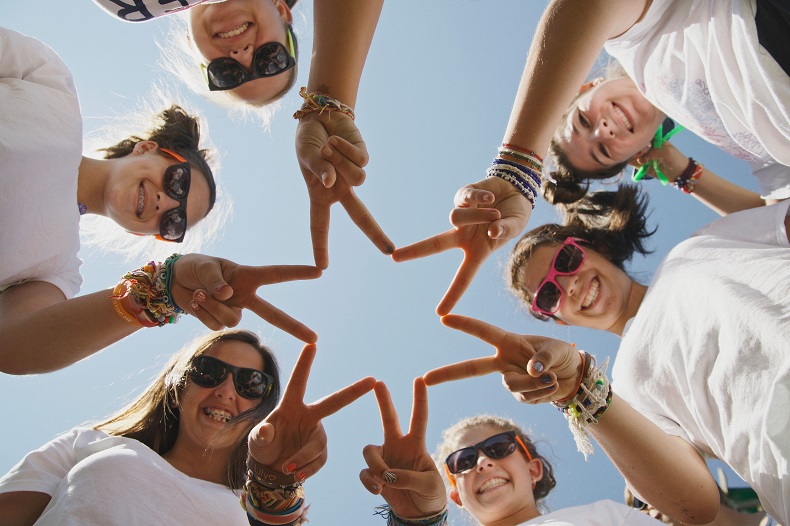
An anonymous donor has made a $5.1 million contribution to the Jewish United Fund of Metropolitan Chicago’s Camping Endowment, believed to be the largest gift ever made to a community camping endowment in the United States.
The gift brings the JUF Camping Endowment to nearly $8.5 million, which will support up to 500 first-time camper grants and provide $120,000 in financial need scholarships for Chicago-area campers each year.
“An extraordinarily generous family, who wishes to remain anonymous, has made this gift in memory of a beloved matriarch,” said Dr. Steven B Nasatir, president of JUF. “We believe it is the largest gift made to a community camping endowment.
“It is a profoundly meaningful legacy to enable hundreds of children to attend Jewish summer camp every year,” Nasatir said. “We are grateful for this family’s vision and generosity.”
The JUF Camping Endowment was established in 2012 to expand local camp scholarship and incentive grant dollars. In just five years, JUF has increased the number of its annual incentive grants six-fold, and nearly doubled the financial need scholarships it provides.
Chicago is one of the first communities to incentivize Jewish overnight camp through its Camp Coupons program, which started in 2002, and provides incentive grants to first-time Jewish summer camp participants. The program merged with One Happy Camper in 2012, the same year the JUF Camping Endowment was established.
“Jewish camp is an essential ingredient for a strong Jewish future,” Nasatir said. “Research shows that when children return home from Jewish summer camp, they have a deepened connection to Jewish life and culture, and have developed new friendships that will last their lifetime. These connections, to people and community, are transformational.”
Seven out of 10 Jewish adults who are active in the Jewish community went to Jewish summer camp, and one in three Jewish professionals (clergy, teachers and communal workers) served as counselors.
“Through our first-time camper grants and financial need scholarships, we have enabled thousands of children to attend Jewish overnight camp over the last several decades,” said Hallie Shapiro Devir, associate vice president of Community Outreach and Engagement. “This leadership gift will ensure that thousands more will be able to experience camp for decades to come.
“This gift helps us address two important issues: the development of Jewish identity in young people and the financial barriers that can prevent families from choosing Jewish overnight camp,” Devir said. “Our goals is to grow the endowment to $11.5 million so we can further increase our support for Jewish camping.”
For more information about Jewish overnight camp, email [email protected].
Other stories
-
Two local teens win national recognition
Recipients of the annual Diller Teen Tikkun Olam Awards
Read more -
Celebrating six young award winners cultivating the community
Introducing young adult award winners
Read more -