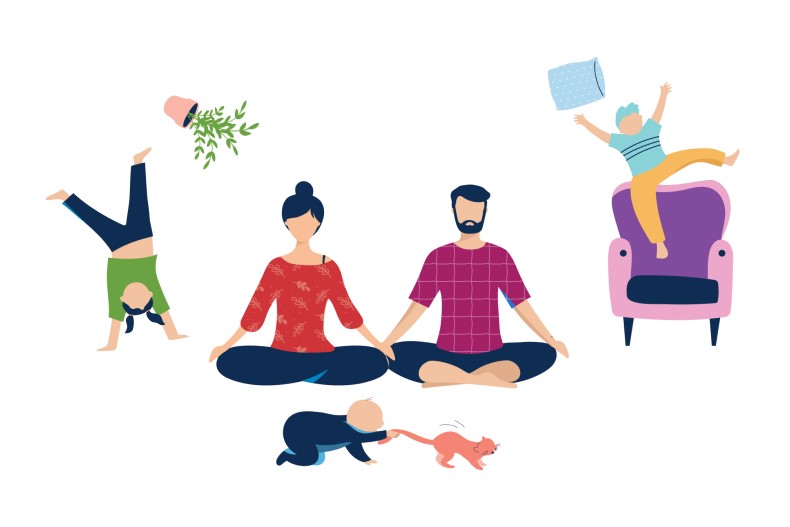
“The mind is its own place, and in itself can make a heaven of hell, a hell of heaven.” ~John Milton, Paradise Lost
Being locked down with your partner can be one or the other, depending on what you do about it and how you think about it. By following a few simple rules, and adopting one crucial attitude, you can make a heaven of hell.
The Rules
- Stay out of each other’s hair.
For each of us, there’s a rhythm to the way we work. Being interrupted breaks that rhythm. Before the lockdown, you and your partner were not interrupting each other at random times to, for example, discuss dinner plans. Continue to leave each other alone during the workday, even though you are just steps away from each other. But…
- Schedule time devoted to each other.
For my wife and me, that’s our early morning walk. That’s plenty of time to find out how the other is and discuss tonight’s dinner plans and last night’s movie. Sometimes our lunchtimes coincide, but because of our schedules, often they don’t. And that’s OK because we know we are going to be getting together for a sit-down dinner with no screens of any kind and no other distractions.
- Allow your partner to enrich your life.
Just say YES. No matter how compatible we are with our partner, we’re not clones. We have different tastes and preferences. And we often think we will not like something our partner would like us to try. But, hey, you never know. So, whether it’s a new recipe or a movie or whatever that you’re sure you’re just going to hate–if your partner suggests it, just agree to it. You may be surprised.
The one crucial attitude – Rachmones
When my 97-year-old mother (a Holocaust survivor) uses that Yiddish word, she uses it to mean “compassion:” “Esther broke her hip, and I had such a rachmones on her.” But the Hebrew word that rachmones derives from is actually closer to “mercy.” Rachmones is not a kind of feeling–but a kind of understanding.
When I ask you to have rachmones on your partner, I am asking you to understand their suffering. “My partner doesn’t look like they’re suffering,” you say, “drinking a beer on the couch and watching the game.”
But what I’m referring to is the suffering we all share by virtue of our humanness and fragility: We’re all trying to maintain our sense of security and belonging, dignity and self-worth, and hope for the future. Without these essential supplies, it’s hard for us to go on.
In this difficult world, we don’t have unlimited access to these essential supplies. We worry about maintaining them–this is the suffering we all share.
When we think of all people as suffering human beings, when we consider for a moment what it’s like to live in their skin–when we have rachmones –it’s easier to feel compassion toward them.
Your partner suffers too, but they’re trying their best. Remember that your partner is trying their best. It is easy to forget this when our partner is irritating us.
But if we can manage to remember, even in that moment, that our partner is simply trying their best, then we can free ourselves from the grip of our anger and ask, “What’s the story right now with my partner?” Having rachmones on our partner helps us both get past the anger and back to where we both want to be–helping each other maintain our essential supplies.
And when you can do that, you are also having rachmones in its other sense. You are having mercy on your partner. Because while it is possible to have compassion for anyone, we can only have mercy on someone whose fate is in our hands. And your partner’s fate is in your hands every day. Because your partner loves you, because you matter so much to your partner, your actions have great power to affect your partner for good or ill. So, when you are feeling angry at them, try to take a step back: Remember that this person suffers too and is simply trying their best–and have rachmones .
I wish both of you health and happiness through this pandemic.
Sam R. Hamburg, Ph.D. is a psychologist in Chicago. He is the author of Will Our Love Last? (Scribner) and The Newlyweds Book (Amazon ebook). He is also on the adjunct faculty of The Family Institute at Northwestern University.
Other stories
-
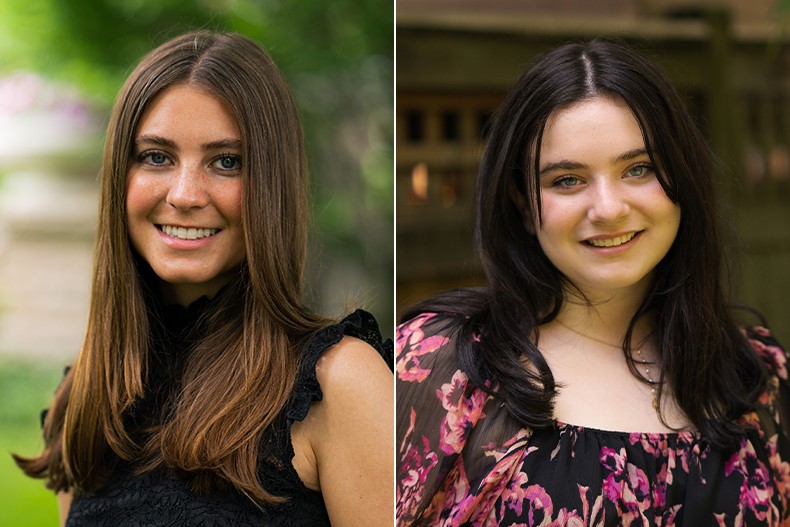
Two local teens win national recognition
Recipients of the annual Diller Teen Tikkun Olam Awards
Read more -

Celebrating six young award winners cultivating the community
Introducing young adult award winners
Read more -

How Jewish teachings can help guide these challenging times at home with young adults
Lisa Ehrlich
You love your children, but you do not always get along. If lately it seems like slammed doors and sighs fill your crowded house, you are not alone. JCFS Response for Teens recognizes that having everyone at home may be a challenge for caregivers of tweens, teens, and college-age young people. How do you support your young person and manage your own stress?
Answers might be found in some key Jewish values.
KAVOD – respect
Respect can be a tricky word. It is often used when adults do not like the attitude of their children. As parents, it is important to remember that we need to respect our young people as full individuals. If the phrase, “you just don’t understand,” were true before, it is even more so now. While we feel the stress, as parents, employees, and as people, we cannot compare anything we have experienced in our past to what young people are going through now.
We need to listen to understand. Listen even if you don’t agree.
When decisions need to be made, bring them into the discussion. We all have different risk tolerances around COVID. When there are situations that concern you, involve your young person in problem-solving.
CHESED – acting with love and kindness
Being understanding and acting with love and compassion needs to extend to both ourselves and our children. We are often much harder on ourselves and have amazing advice for others. Remember to ask yourself and your children, “What would you tell a friend?”
As parents, we need to find ways to manage our own discomfort and worry.
– Check your emotions before you respond to your young person. Often, we project our anxiety onto our children. Press pause before responding to the attitude.
– Have compassion for their situation.
– Middle and high schoolers have had their way of functioning disrupted. Their after-school activities have been canceled and they miss their friends.
– If they were on campus and had to come home due to COVID, they are dealing with the loss of autonomy, privacy, and (let’s be honest) parties. Even if they have been remote since the fall, their desired independence and chance to start anew has been stymied.
– Let them grieve their losses. Do not tell them how lucky they are; they know that deep down. However, help them figure out how to make new memories–they are the only people who will have experienced this moment in time.
DUGMAH ISHEET – modeling behavior you value
Young people will call us out whenever we talk the talk, but do not walk the walk. We cannot encourage them to engage in self-care, making new memories, or creatively approaching ways to connect if we don’t do it ourselves.
– Take a break — from work, from social media, from the news.
– Create boundaries. Carve out space for sleep, family time, alone time, and physical activity.
– Normalize talking about feelings out of the hot zone.
– Identify what you can control. When we are worried or scared, our minds go into problem-solving mode. Ruminating on what might happen can amp up our anxiety. By focusing on the problems that you can control, you can stop the worry cycle in its tracks.
Parenting comes with new experiences around every corner. Supporting our children while we live through a global pandemic is just another corner–a big corner, but a corner. With compassion, creativity, and communication, we can focus on refuat hanefesh (healing the soul) and refuat haguf (healing the body) for ourselves and our children.
Lisa Ehrlich is the Manager of Outreach and Community Education for JCFS Chicago’s Response for Teens.
Other stories
-
Two local teens win national recognition
Recipients of the annual Diller Teen Tikkun Olam Awards
Read more -
Celebrating six young award winners cultivating the community
Introducing young adult award winners
Read more -

As part of its COVID relief efforts, the Jewish United Fund has provided $250,000 in seed funding to jumpstart a ground-breaking initiative to expand digital access for low-income households throughout the state.
The State of Illinois is launching a statewide network to deploy refurbished computers, digital literacy programming, and workforce development through a unique partnership with PCs for People– a national nonprofit providing refurbished devices– along with JUF, Cook County, and other community partners.
“In our state of nearly 4.9 million households, an estimated 1.1 million of them currently do not have access to a computer,” said Illinois Governor J.B. Pritzker. “That means that 1.1 million families can’t connect and communicate by email, use e-learning resources, do a job search, work online from home, or pay bills electronically. So I’m announcing a first-of-its-kind statewide initiative to put computers into the hands of those who need them.”
The new Connect Illinois Computer Equity Network aims to put computers and other mobile devices into the hands of underserved Illinois residents, assisting more families with access to high-speed internet that is essential for e-learning, remote work, and telehealth.
“In the context of the pandemic, [JUF] saw an immediate need for these resources, and I want to personally thank them for committing $250,000 to the computer equity network,” Governor Pritzker said, noting that the seed money brings the state one step closer to ensuring that all Illinoisans can participate in the 21st century’s digital economy.
“Digital access is a lifeline, not only for students learning remotely, but for all individuals and families,” said Lonnie Nasatir, JUF President. “Technology can help lift up underserved communities with equal access to vital tools and information, serving as a catalyst to keep people connected and thriving.
“In the midst of the COVID-19 crisis, it is especially important to JUF and our Jewish community that we reach out to our neighbors who have been disproportionately impacted by the pandemic, and for whom access to technology and employment opportunities will be a vital equalizer going forward,” Nasatir said. “That’s why we are proud to join Governor Pritzker and the State of Illinois as founding partners in launching this life-changing initiative.”
PCs for People will operate the network with close involvement of the Illinois Office of Broadband and various community partners. The statewide network will include two central warehouse locations, one in southern Cook County and the other in the Metro East Region. Each centralized warehouse location will receive, refurbish, and redistribute computers for use by low-income households around the state.
“The pandemic has shown millions of homes do not have the connectivity needed for education, information, and remote work,” said PCs for People CEO Casey Sorensen. “We are honored to partner with Governor Pritzker and the State of Illinois, businesses donating technology, and an array of community partners to get devices and support to thousands of residents across the state at a time of great need.”
To further expand digital access across the state, the Governor has issued call to action to public, private, and philanthropic sectors to donate used equipment and build on a network already set to deploy at least 20,000 refurbished computers annually for Illinois families.
For more information on how to recycle technology or to apply for an upgraded device, please visit Illinois.gov/computerequitynetwork . Linda S. Haase is Senior Associate Vice President of Marketing Communications for the Jewish United Fund of Chicago.
Other stories
-
Two local teens win national recognition
Recipients of the annual Diller Teen Tikkun Olam Awards
Read more -
Celebrating six young award winners cultivating the community
Introducing young adult award winners
Read more -
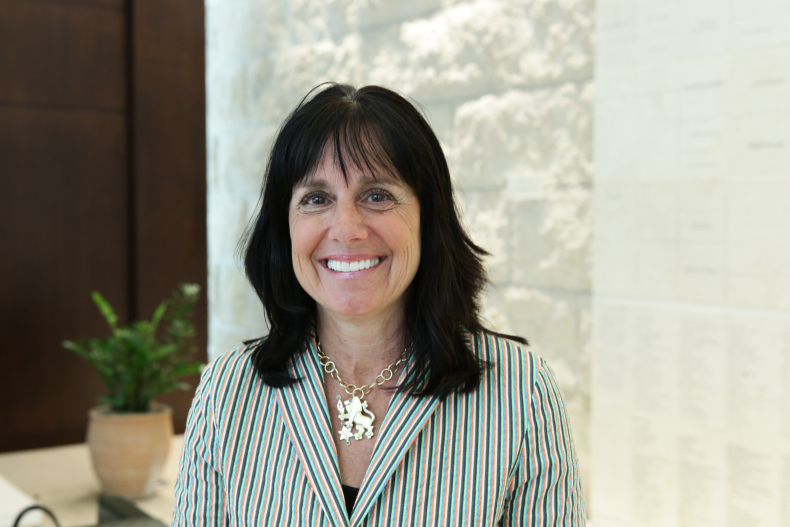
Kim Shwachman has officially taken the helm as the 2021 JUF General Campaign Chair. Shwachman, who also serves on the JUF Board of Directors, didn’t have her sights set on this role when she attended her first JUF event in 2000. Yet, this position is something she has been preparing for since she first became connected to, and inspired by, JUF all those years ago.
In this role, Shwachman will lead the 2021 JUF Annual Campaign, Jewish Chicago’s collective fundraising effort, which provides foundational support for JUF’s network of more than 70 human service agencies, educational institutions, and community-building programs in Chicago, in Israel, and around the world.
“In many ways I was raised by JUF,” Shwachman reflected. “As a young Northbrook mom, I was invited to someone’s home to learn about the work of JUF. Following that event, I was invited to tour The ARK, one of the many agencies JUF supports. That experience was a turning point for me. I learned firsthand about the selfless work provided to the most vulnerable Jews in our community.
I met a dentist who was volunteering his time to make dentures for a client. I was overwhelmed by his selfless desire to serve others on his days off from work. I asked myself ‘what am I doing to help others?’ No human should have to make decisions about whether they buy food or medication, or have to live in fear that they cannot pay their rent or utilities. The fact that JUF supports The ARK’s operations and so many other organizations doing this lifesaving work was a true moment of clarity for me. That day set me on a path of greater involvement with JUF and I have never turned back.”
As General Campaign Chair, Shwachman will work alongside Pam Szokol, Chair of the JUF Board of Directors. Together, Shwachman and Szokol are making history, marking the first time two women have simultaneously served in both top lay leadership roles at JUF.
“I am thrilled to be part of this moment in JUF history as two women enter 2021 in significant lay leadership roles,” Szokol said. “Kim has such grace and exudes passion in everything she does. The year ahead will undoubtedly present challenges as we emerge from COVID-19. And together as lay leaders, in partnership with the outstanding JUF staff, we have an opportunity to continue to evolve our work and reach, bring new vision and energy to JUF, and to be role models for future generations of women.”
Shwachman has a track record of success serving in several notable lay leadership roles for the organization, including chairing the Major Gifts dinner for the 2016 JUF Annual Campaign.
“Kim is as dedicated and generous as she is smart and driven–an unbeatable combination,” said Lonnie Nasatir, JUF President. “We have every confidence that the 2021 Campaign will be a great success under her leadership and thank her for taking this on.”
The immediate past Co-Chair of the Health and Human Services Commission and past Chair of the Partnership Together and Missions committees, Shwachman also has served on a wide range of committees, including Community Outreach and Engagement and Israel and Overseas. She currently is a member of the JUF Women’s Board and a Trustee of the Jewish Women’s Foundation.
“Serving on various committees is where I have been able to see firsthand the need, here in Chicago and across the globe. And it’s where I have seen the true impact of JUF and collective action,” Shwachman said. “Being part of the committee responsible for the allocation of dollars and then seeing those dollars at work is what has truly prepared me for this role.”
Shwachman is a member of Congregation Beth Shalom in Northbrook. She lives in Northbrook with her husband Perry and they have three children, Blair, 27, Danielle, 25, and Tyler, 22.
Elizabeth Abrams is Assistant Vice President of Communications for the Jewish United Fund.
Other stories
-
Two local teens win national recognition
Recipients of the annual Diller Teen Tikkun Olam Awards
Read more -
Celebrating six young award winners cultivating the community
Introducing young adult award winners
Read more -
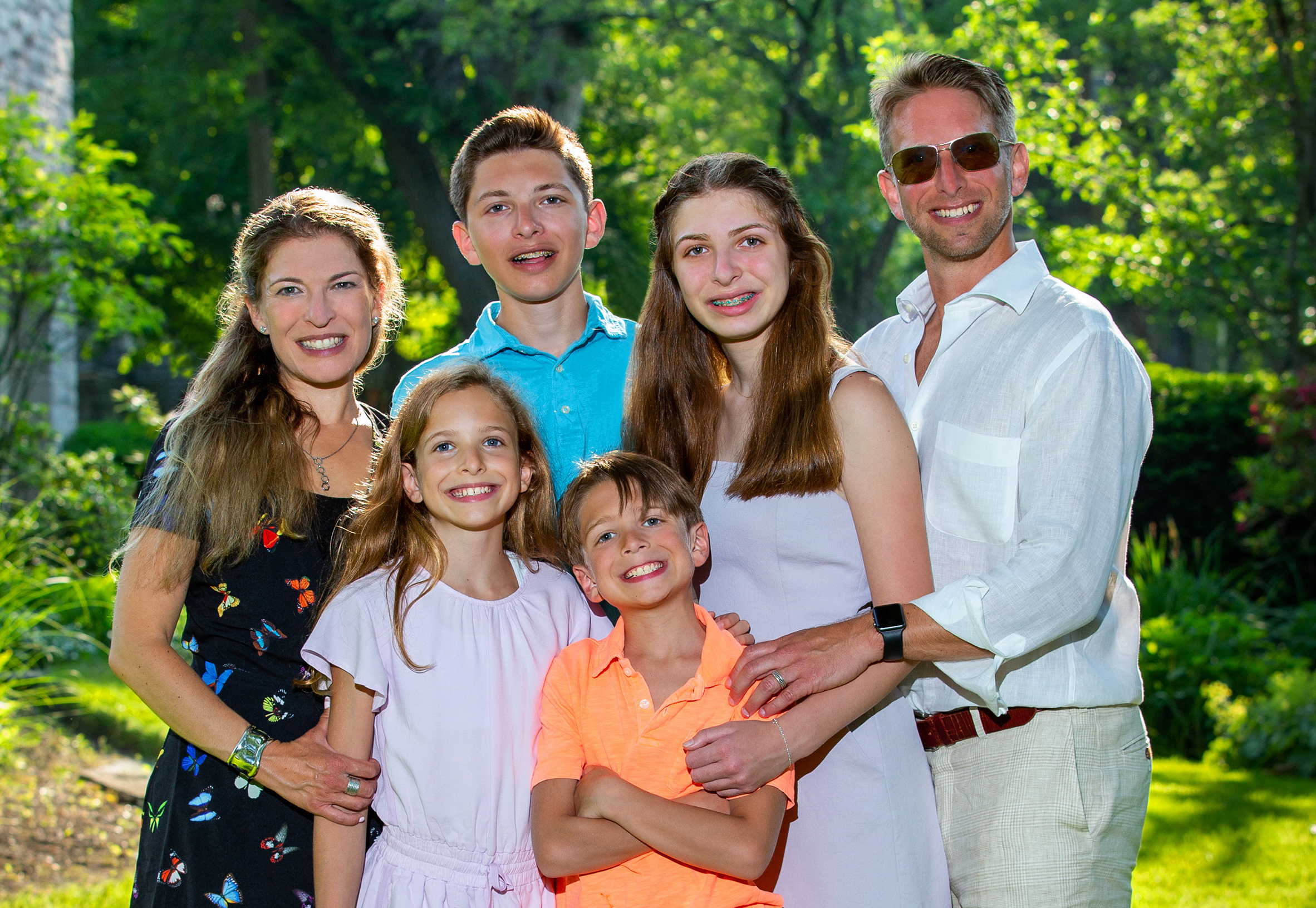
After our first day at Disney World, I peeked into my children’s adjoining hotel room to find them lined up in bed, watching a show together to unwind from the exhilarating, but exhausting day.
“I just want to freeze them right now, in this moment,” I said to my husband.
I knew that desire, much like a Disney vacation, was pure fantasy. At the time, my kids ranged in age from three to nine. Daily chaos still abounded, yet I fell asleep each night satisfied they knew how much I loved them, no matter what challenges we faced.
Fast-forward six years, and instead of four little kids, I’m raising two teenagers; a tween; and a fourth grader whose attitude better resembles that of a high schooler. I find myself struggling to make sure I don’t say the wrong thing or provoke tumult with an unwanted suggestion.
Sometimes my teens want to talk non-stop; other times I tell myself it’s not personal when they ask me to leave their rooms. Conversations with my tween get squeezed into car rides to and from gymnastics, where she spends nearly 20 hours per week. My youngest child still asks for snuggles, but then turns around and tells me he only wants to be with his friends, even if it’s just virtually these pandemic days.
When my children were younger and needed me constantly, my love felt palpable. It rested on the tips of my fingers as I held their hands in mine. It flowed through the air as I repeated, “I love you,” countless times a day, much to their delight. These days, they’ve instructed me to use code for that unconditional maternal feeling. The number 143 stands for “I love you,” each numeral equating to the number of letters in each word of that phrase. At least they’re still willing to express love, even if it’s encrypted.
The late Rabbi Lord Jonathan Sacks writes in Morality, his final book published before his recent death, “That love is a flame lit in… the family. Morality is the love between…parent and child – uncommanded because it is assumed to be natural – extended outward to the world.”
Little children reward our affection with cuddles, but we lack a concrete way of evaluating how our love and values resonate within them. Parenting older kids brings the gift of getting to see the outward extension of our love play out in real time. Adolescent offspring would never admit to embracing their parents’ moral compass. CRINGEY! But in an unexpected moment, they can show us their own spin on our imparted love and teachings.
Recently, my fourth grader and I struggled with preparations for his states test, which required identifying them on a map along with their capitals and abbreviations. He began crying, but before I could comfort him, his older siblings stepped in to take over.
“Here’s what helped me when I took the states test,” my 15-year-old said.
As he explained in detail the strategies he used, my daughters made flash cards. Almost instantly, my younger son calmed down, attentive to the wise words and ways of his brother and sisters. Meanwhile, I stepped back to watch my children nurture one another, blazing their own trail of love.
Witnessing my kids interact lovingly together is a gift, but it isn’t always easy to meld into the background. As a mother, I’m used to loving my children actively, to stoking the flames, not just watching the sparks fly. I bear in mind l’dor v’dor , from generation to generation. The fire of love ignited within our home perpetuates the blaze of Jewish endurance.
As Rabbi Sacks further writes in Morality , “Family … is where we first take the risk of giving and receiving love. It is where one generation passes on its values to the next, ensuring the continuity of a civilization.”
Mimi Sager Yoskowitz is a Chicago-area freelance writer, mother of four, and former CNN producer.
Other stories
-
Two local teens win national recognition
Recipients of the annual Diller Teen Tikkun Olam Awards
Read more -
Celebrating six young award winners cultivating the community
Introducing young adult award winners
Read more -

Zoom dance parties, virtual fashion shows, and online gaming were not part of Cookie Walner’s routine with her grandchildren before the pandemic. But now, these new traditions are helping her family stay close even when they have to stay apart.
Many mornings start with a 7 a.m. Zoom call as Walner and her 9-year-old granddaughter and 7-year-old grandson connect to Roblox, an online game platform. There, they play a variety of games together and talk about the everyday things they might usually discuss while cooking dinner or on the way to soccer practice. “It’s great fun,” Walner said.
While she attends some outdoor activities with her grandchildren, Walner enjoys the way her virtual activities let the family stay in touch more consistently. “It was our way of touching base every day,” she said.
Touching base with a regular schedule has also been important for Ali Karmin, who shares Friday night Zooms with her extended family. “It’s a nice way to not be alone on Shabbat. My grandma is pretty tech-savvy and she’s loved it since we can’t usually see her in person,” she said.
“The Shabbat Zoom is something we can always look forward to,” Karmin continued. “For my grandma, it’s nice [for her] to see her grandchildren more than she usually does. This is the longest stretch we’ve gone” without seeing each other in person. Sharing dinner and lighting candles together – albeit virtually – helps keep the family connection strong.
Sharing pre-COVID family rituals on Zoom is also important to Rebecca and David Eisenberg, who enjoy playing family favorite games like B’Rosh Echad – an Israeli board game similar to Family Feud-online with their nine grandchildren.
The Eisenbergs also enjoy creating virtual puzzles out of family pictures and play an online Pictionary-like game. While the family plays games together, they keep Zoom running “so we can talk and it makes it feel like we’re there together,” Rebecca said. “It gives me great pleasure!”
“When we can’t see our grandchildren in person, we need a way to interact,” said David, who researched online games and recently redid the garage to make it suitable for socially distant meetings.
For families looking for new ideas to spice up their routines, JCC Chicago is facilitating a variety of programs. Through a partnership with Grandparent-Grandchild Connection, grandparents who signed up for the Write Your Stories workshop received twice-weekly writing prompts about their lives. After completing each prompt, the grandparents were encouraged to share their stories with their grandchildren.
“Taking the time to write your memoir makes you reflect on things that wouldn’t come up in the course of conversation,” said Ilene Uhlmann, Director of Arts and Ideas for JCC Chicago. “What you’re sharing is insight into who you are as a person and how you became the grandparent you are today.”
JCC Chicago is also offering panel discussions for grandparents – Lifelines for a Lifetime – and the G2 Global Intergenerational Initiative. The G2 program puts grandparents in a pivotal role in their 5th -7th grade grandchildren’s Jewish journeys and offers families the opportunity to connect with other families in Israel.
“Grandparents play such an important part in someone’s life,” said Abby Ashkenazi, Jewish Educator for JCC Chicago.
Even at a time when it’s hard to connect beyond a computer screen, innovative ideas like the ones these families and organizations have discovered can make the distance feel not quite so far.
For more information on grandparent/grandchild programming at JCC Chicago, visit JCCChicago.org.
Other stories
-
Two local teens win national recognition
Recipients of the annual Diller Teen Tikkun Olam Awards
Read more -
Celebrating six young award winners cultivating the community
Introducing young adult award winners
Read more -
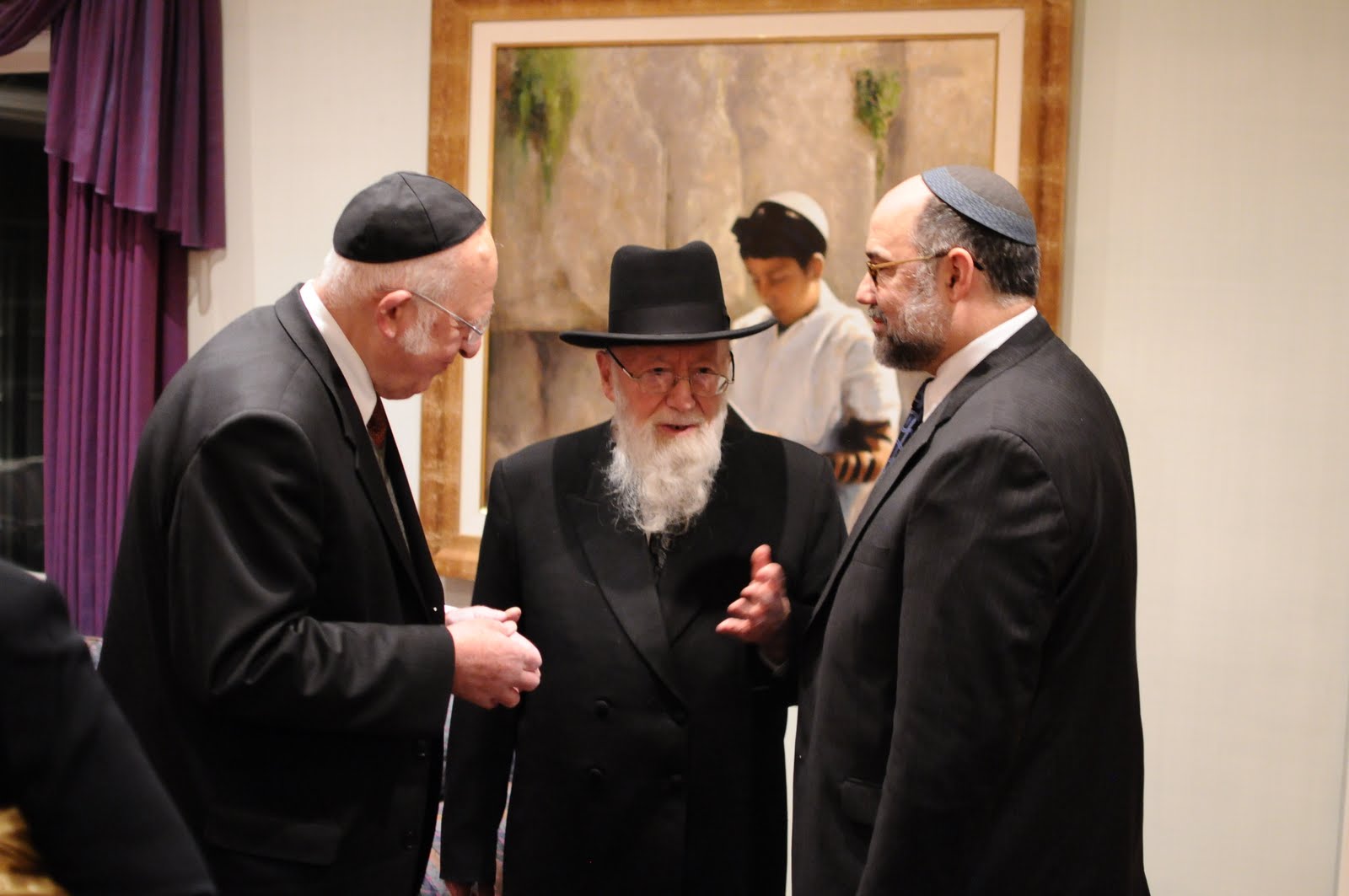
Rabbi Gedalia Dov Rabbi Schwartz, leader of Orthodox rabbinical courts, dies at 95
RABBI LEONARD A. MATANKY, PH.D.
In the weeks since the passing of Rabbi Gedalia Dov Rabbi Schwartz, tributes have been pouring in for this modern-day rabbinic sage who graced our Chicago community for more than 30 years.
Born in Newark, N.J., educated in public elementary and high schools, Rabbi Schwartz continued his education at Yeshiva University, ultimately rising to the heights of Jewish scholarship, halachic leadership, and communal responsibility.
Rabbi Schwartz – who died on Dec. 9 – was the Av Beth Din, the Chief Judge of the Ecclesiastical Court of the Chicago Rabbinical Council, and the national Beth Din of America. He was the halachic decisor of renown who dealt with Jewish law’s most complex issues from conversion to technology, divorce, kashrut, and matters of ritual for Jewish members of the armed forces.
He was larger than life, and until his debilitating stroke four years ago, Rabbi Schwartz’s presence was sufficient to add dignity and distinction to any gathering. In his honor, the Chief Rabbis of Israel traveled to Chicago to dedicate the Beth Din chambers and celebrate his milestone birthday. In his honor, his alma mater, Yeshiva University, granted him not only an honorary doctorate but recognized him with its highest honor, the Harav Yosef Dov Halevi Soloveitchik, Aluf Torah Award.
His knowledge was vast not only of rabbinic literature, where he was known to recall an obscure responsum that dealt with precisely the issue at hand but literature, culture, language, and history. He could not only deliver an in-depth Talmudic analysis to learned rabbis but also a lecture on the distinction between Shakespeare’s and Marlowe’s image of the Jew. His talks to the laity on history and personalities were legend, and his ability to, without warning, begin to speak in Latin or French astounding.
We often commented that Rabbi Schwartz knew about every significant Jewish figure in history, but he could also tell you the names of their siblings and maybe even their zip code.
But Rabbi Schwartz’s greatness found its most profound expression in his humanity. He understood the needs of the widow, the orphan, and the stranger. Despite his long flowing white beard, Rabbi Schwartz was a man of the modern world, who could discuss American history and politics, discuss literature, and find ways to make others feel at ease. On our JUF rabbinic missions, Rabbi Schwartz not only enlightened all the rabbis with his knowledge but charmed them.
For members of the Orthodox rabbinate, Rabbi Schwartz was a ” baal mesorah ” – a master of tradition who connected us to the great rabbinic minds of the past and taught us by example what it means to lead with conviction, dignity, and grace.
Rabbi Schwartz did not compromise, but he did find ways to resolve differences through his warmth and solve halachic challenges through his mastery of the sources. He was neither lenient nor strict. Instead, he was ” yashar ,” a term that means straight but includes being upright and being an ultimate mensch.
So many members of the non-Orthodox clergy were drawn to Rabbi Schwartz because he was authentic, genuine, open, and engaging.
To Rabbi Schwartz, every human being was precious and created in the image of God, and every Jew was respected because we are members of the very same family. This was evident in the way Rabbi Schwartz built bridges working with Jews on the right and left, and fielding questions from Jews around the world.
He also supported the efforts of the Jewish United Fund of Chicago. “In addition to being a brilliant rabbinical scholar, Rabbi Rabbi Schwartz always put the needs of others first,” said Dr. Steven B. Nasatir, JUF Executive Vice Chairman. “All who knew him learned from him. He was a community treasure.”
Rabbi Schwartz was a one-of-a-kind rabbi. A man who taught us by every move he made. And who brought pride and dignity to our world. He was, as I described in my eulogy for him, a walking ” kiddush Hashem ,” a man who sanctified God through his own life.
He was larger than life while being so much a part of our lives. He was a blessing to us all, and may his memory continue to be a blessing.
To read Rabbi Matanky’s eulogy on Rabbi Schwartz, visit bit.lyrabbiRabbi Schwartzeulogy.
Rabbi Leonard A. Matanky, Ph.D., is the Dean of Ida Crown Jewish Academy and Rabbi of Congregation K.I.N.S. of West Rogers Park.
Other stories
-
Two local teens win national recognition
Recipients of the annual Diller Teen Tikkun Olam Awards
Read more -
Celebrating six young award winners cultivating the community
Introducing young adult award winners
Read more -
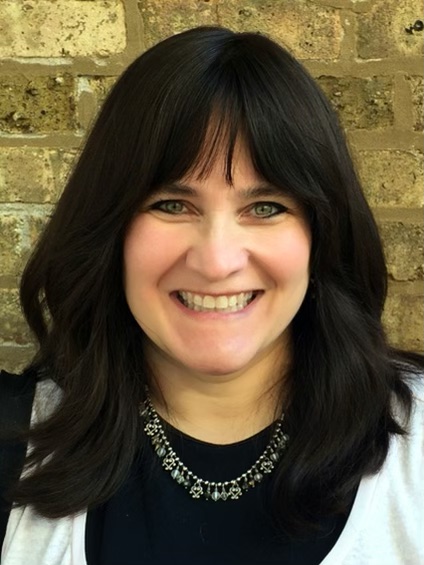
Staci Margulis receives JUF’s Sue Pinsky Award for Excellence in Jewish Education
ESTHER SOLOOKI
Staci Margulis, an early childhood educator at Arie Crown Hebrew Day School in Skokie, was presented with the Sue Pinsky Award for Excellence in Jewish Education in January, recognizing her exemplary accomplishments in early childhood Jewish education.
“Every day Staci goes above and beyond her role and puts in countless extra hours to make sure the children have everything they [need] to succeed,” wrote colleague Ahuvah Friedman in her nomination of Margulis for the prestigious award. “Spending a day in Staci’s classroom leaves you with a feeling of such warmth!”
Although a traditional in-person celebration could not be held, that didn’t stop the JUF Education division from creating a meaningful virtual event. Registrants received a swag bag prior to the event and heard from comedian Pamela Schuller about her own experiences as a child with disabilities and the critical role teachers played in supporting her journey.
Sue Pinsky, for whom the award is named, celebrated Margulis’ commitment to education. “[Education expert] Parker Palmer has written that a teacher projects the condition of her soul onto her students,” Pinsky said. “Staci’s soul is full of joy and love for the world around her. Children experience her kindness and patience as well, along with her unique aptitude for seeing everything through a Jewish lens.”
Margulis’ dedication is recognized by her family as well. “I’ve seen over the years [that]…you’ve always been incredibly dedicated and committed to your class and your job – it seems like there was always a new book on your nightstand about early childhood development and you were perpetually thinking about how you could better serve the individual needs of each of your students,” said her daughter, Shay Margulis.
Pinsky is a Highland Park resident and taught early childhood education for decades at the Weinger JCC. This prestigious award was endowed in honor of Pinsky by her son, Mark, and his wife, Lisa. The gift was endowed through the JUF’s Agency Endowment Program to ensure that this award be given in perpetuity.
Nominations are now open for the 2021 Sue Pinsky Award. Submit by Feb. 19. Visit juf.org/pinskyaward to submit your nomination.
Esther Solooki is Account Manager, Marketing for JUF.
Other stories
-
Two local teens win national recognition
Recipients of the annual Diller Teen Tikkun Olam Awards
Read more -
Celebrating six young award winners cultivating the community
Introducing young adult award winners
Read more -
Better serving day school students with learning differences.
Connecting Judaism to LGBTQ+ teens’ process of self-discovery.
Helping Jewish and interfaith new parents build community and engage in Jewish life.
These are among the innovative initiatives supported by the most recent round of distributions from the Jewish Federation’s Fund for the Future, which is devoted to accelerating the community’s investment in Next Generation Jewish engagement.
The $550,000 in distributions, made in November 2020, bring total Fund for the Future disbursals to nearly $5 million to date.
“The Fund for the Future is proving to be a critical resource, fast-tracking funding for innovations that connect young Jews to Israel, to Jewish life, and to one another,” said Bill Silverstein, Fund for the Future Chair. “It is helping send more children to Jewish preschools, Jewish camps, and Jewish day schools; bringing more teens and college students to Israel; and ensuring that more young adults and young families build Jewish homes and connect to community.”
The newest Fund for the Future distributions will support six pioneering programs:
- CHIdush: Inspiring innovation in Jewish education
JUF’s project to systemically rethink congregational education began as a cohort-based pilot program, but in the face of the pandemic, CHIdush has had to pivot to a dual function. Now it also serves as a resource to enhance local Jewish educators’ effectiveness teaching online. - jBaby Chicago
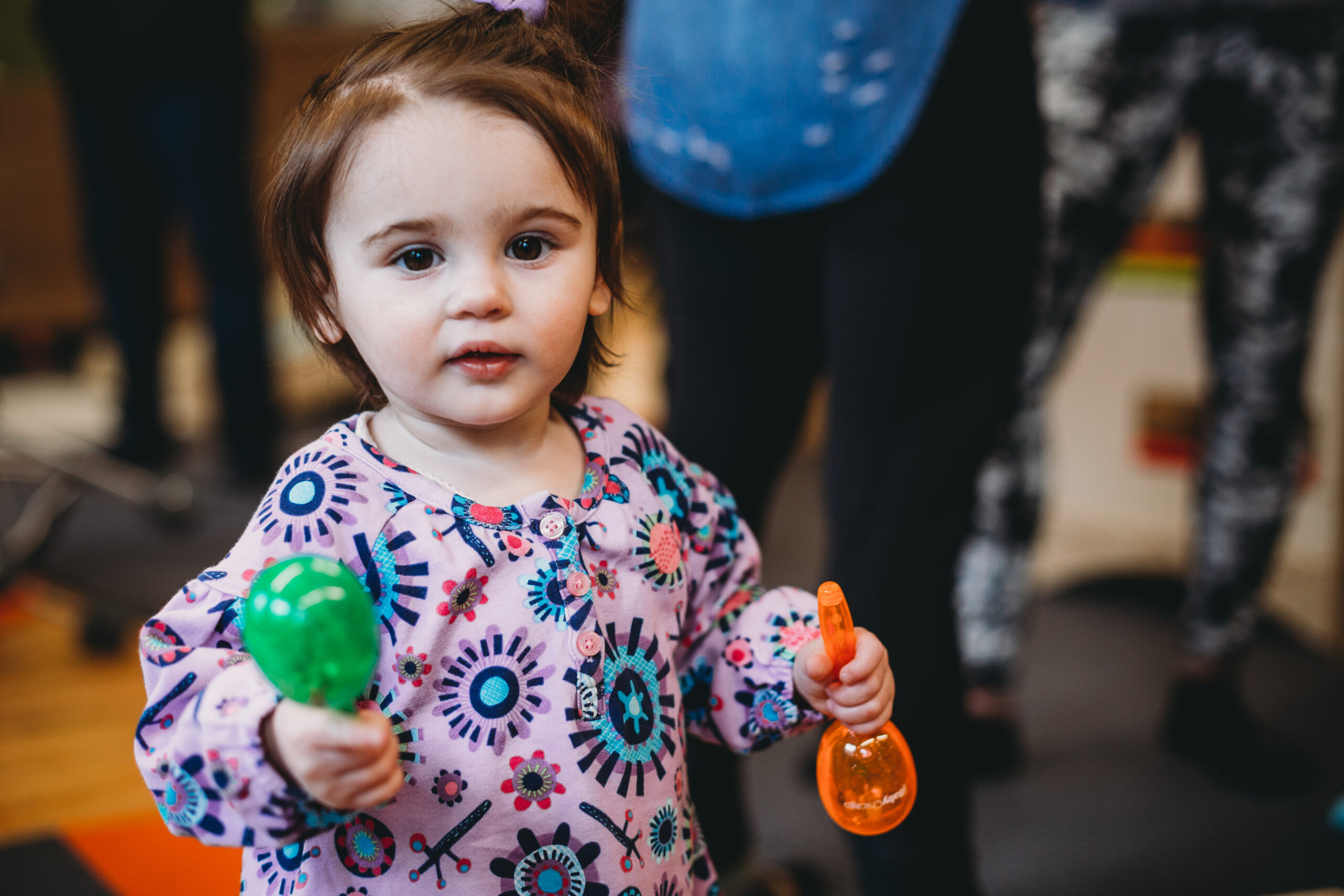
jBaby Chicago is an award-winning JUF initiative that supports Jewish and interfaith new parents through “parent ambassadors;” playgroups, classes, holiday events, and other programs that help them make connections, build friendships, and engage in meaningful Jewish experiences. - LEARN
The LEARN (Live, Enrich, Appreciate, Respect, Nurture) program is a collaboration between JUF’s Young Leadership Division and Silverstein Base Hillel which involves groups of young adults in a more intensive exploration of Jewish texts, issues, and identity. - Moving Traditions – Tzelem+
Using Jewish values to foster well-being among local LGBTQ+ teens, this new program helps participants develop the strong self-concept and social-emotional skills to navigate through life; recognize and resist sexism; and meaningfully experience Jewish values and community. - Onward Israel
A program of JUF’s Israel Education Center, Onward Israel offers internships in Israel that build young adults’ professional resumes along with their connections to their Jewish homeland. - REACH
REACH is ATT’s strategic initiative to foster inclusivity system-wide, building the capacity of JUF’s Day School network to teach and care for children with a wide range of needs.
The Fund for the Future, which was launched in 2019 under the auspices of the Federation’s Centennial Campaign, has raised $59.2 million to date to infuse funding into gateway experiences for young Jews.
Additional funds are needed to further accelerate and expand the effort. To learn more, please contact Merle Cohen at [email protected]
Fund for the Future
Funded programs to date
Young Families
jBaby Chicago
JUF Early Childhood Collaborative
JUF Infertility Project
PJ Library Chicago
JUF Right Start
Youth
B’nai B’rith Beber Camp
Chicago Jewish Day School
Jewish Day School Guaranty Trust Fund
JUF Camp Scholarships
JUF Camping Initiative
JUF CHIdush Project
REACH
Teens
IsraelNow
Moving Traditions – Tzelem+
Voices – The Chicago Jewish Teen Foundation
Write On for Israel
Young Adults
AEPi Foundation
Base Hillel
Birthright Foundation
Honeymoon Israel
Jewish Federation Encompass Endowment
JUF Israel Education Center
JUF Lewis Summer Intern Program
LEARN (Live, Enrich, Appreciate, Respect, Nurture)
Moishe House, Chicago
Onward Israel
Linda S. Haase is Senior Associate Vice President of Marketing Communications for JUF.
Other stories
-
Two local teens win national recognition
Recipients of the annual Diller Teen Tikkun Olam Awards
Read more -
Celebrating six young award winners cultivating the community
Introducing young adult award winners
Read more -

With so many of us hunkering down at home these days, who couldn’t use home organizers extraordinaire Clea Shearer and Joanna Teplin to come organize our homes?
Of course, Shearer and Teplin–the dynamic co-founders of the popular home organizing company, The Home Edit–may not be able to physically come to our homes.
But women in the Chicago Jewish community and beyond will have a chance for the next best thing: to learn home organizing tips from The Home Edit duo when they headline the JUF Women’s Board and Women’s City Council Grand Event–virtual this year–on Thursday, Feb. 11 at 7:30 p.m.
Shearer and Teplin, who have organized the homes of such stars as Mandy Moore, Gwyneth Paltrow, and Reese Witherspoon, exploded in popularity in 2020.
They published their New York Times bestseller called The Home Edit Life: The No-Guilt Guide to Owning What You Want and Organizing Everything, a guide to systematizing one’s home and containing the chaos.
Plus, they released the wildly popular Netflix TV series, Get Organized with the Home Edit , where they invite viewers into the homes of their clients as The Home Edit team transforms their spaces–fairy godmother-style–from cluttered messes to tidy perfection.
In advance of their JUF appearance in February, Shearer and Teplin conducted an email interview with JUF News.
Q. As we continue to navigate the pandemic from home, what’s your biggest piece of advice to make our homes both more organized and Zen during these anxious times?
A. Now that we’re in our spaces more than ever before, something that you might have written off like “whatever, I’ll get to it later” can really start to bother you. Creating functional systems that also look beautiful gives you a chance to feel calmer and more in control-which is what we are all looking for.
What are your three biggest secrets in how to successfully organize one’s space?
1. Start every project with an edit. This means removing every item from the space, grouping them into categories, and purging what you no longer want or need. Only then can you decide on a functional system that best fits your space and the items that live there.
2. Contain items within designated zones. This not only makes items easier to find, but it also holds you accountable when you start exceeding the space.
3. Label your categories, or sort by color, which is a labeling system in itself! Labels provide a user-friendly roadmap to where items are found and where they belong.
What do you see trending in home organization in 2021?
Functional systems that streamline our new realities, a.k.a. working from home and virtual learning. Even though this was already “trending” in 2020, we definitely see people finding the systems that work best for them.
Do you believe that organizing our exterior space has the power to change us on the inside?
Absolutely, 100%. An organized space allows you to take a sigh of relief. There are no messy drawers tugging at the back of your mind, or brooms falling on your head as you reach for the mop. There’s so much unnecessary frustration that can be avoided.
The JUF Women’s Board and Women’s City Council Grand Event will be held virtually on Thursday, Feb. 11, at 7:30 p.m. Women who make an individual gift of $1,000 or more to the 2021 JUF Annual Campaign are invited to attend. Register at .juf.org/GrandEvent .. For more information, call (312) 357-4862 or email [email protected] .
Other stories
-
Two local teens win national recognition
Recipients of the annual Diller Teen Tikkun Olam Awards
Read more -
Celebrating six young award winners cultivating the community
Introducing young adult award winners
Read more -