Seeing beyond the self
OLIVIA FRIEDMAN
“She is home.” Never had three words sparked so much joy.
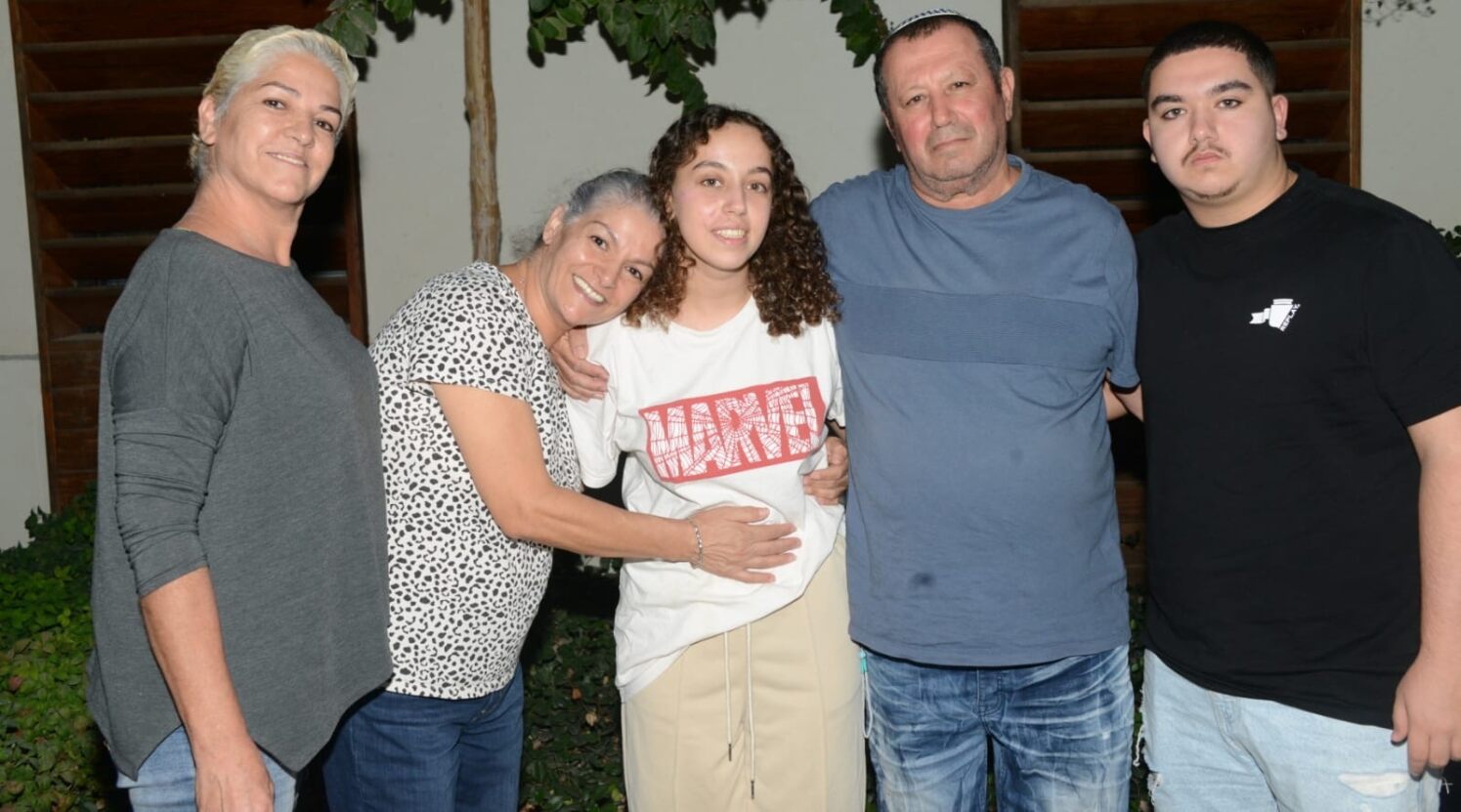
Private Ori Megidish had been abducted into Gaza on October 7. On October 30, the IDF declared her rescued during ground operations. In an outpouring of happiness in her native Kiryat Gat-JUF’s Partnership Together region-residents danced in the streets. Family members blew the shofar.
Prior to her daring rescue, the Megidish family poured out their hearts to G-d. Ori’s mother, Margalit, performed hafrashat challah, the mitzvah of separating a bit of dough when baking bread. Wearing a white headscarf and blue shirt, Israel’s colors, Margalit uttered a moving prayer. In it, she asked G-d to consider her separation of the challah dough as comparable to a sacrifice-to keep sorrow and pain at bay, and to save the nation of Israel from its enemies. She concluded:
Amen! May it be so! Amen! He will bring back our captives! Amen! He will heal all of our sick! Amen! He will bring back my daughter, Orit, the daughter of Margalit. Ori, I am with you! Kapara (atonement) on you! I love you, Ori! Everyone please, shake the heavens. Bring back all the captives! Creator of the world, please. I love You! I’m in love with You. Don’t disappoint me. Please! I love You. [Bring back the captives] soon, soon, soon. Amen.
The command to separate a portion of dough appears in Numbers 15:17-21- “From the first portion of your dough, you shall give a gift to the Lord in all your generations.” Ezekiel 44:30 further elaborates, “You shall give the kohen (priest) the first of your dough, that a blessing may rest upon your home.”
Why did the priests need this bread? Instead of plots of land, the tribe of Levi was to act as spiritual leaders and educators. Since Levites did not grow their own crops, it fell to the nation to ensure they were fed, with sacrifices and tithes.
Separating challah dough guided each baker to look beyond herselfthemselves. It would be easy to remain self-centered, thinking of bread as food for one’s own family. Instead, each baker had to take a moment to remember someone else, to see beyond themselves, recognizing others might go hungry without contribution. Additionally, the bread-maker was able to demonstrate gratitude to the priest, recognizing that his ritual service, and his guidance directly benefited them.
Margalit, Ori’s mother, harnessed this energy in her plea. At a moment when she would have been forgiven for being completely self-centered, only focused on her family’s plight, she called out, “Bring back all the captives!” She was able to see Ori as one of the many members of the Jewish people who were suffering.
Moreover, Margalit passionately affirmed her relationship with G-d, when she had every right to express anger towards Him and blame Him for her daughter’s capture. “I love You!” she declared, turning to God. “Don’t disappoint me!”
And indeed, she was not disappointed. Ori returned, safe and sound. The promise in Ezekiel 44:30, “that a blessing may rest upon your home,” was fulfilled.
How to perform Hafrashat Challah
Since the destruction of the Temple, the separation of challah is symbolic; a small portion of dough is, instead, burned to recall the original offering to the priest. (This applies when using a minimum of 5lbs of flour.)
Procedure: Hold all the dough in your right hand and recite the following blessing:
ברוך אתה ה’ אלקינו מלך העולם אשר קדשנו במצותיו וצונו להפריש חלה
Blessed are You, Lord our G-d, King of the universe, Who has sanctified us with His commandments, and commanded us to separate challah.
Pull out a handful of dough and say: הרי זו חלה Harei zu Challah This [piece of dough] is challah.
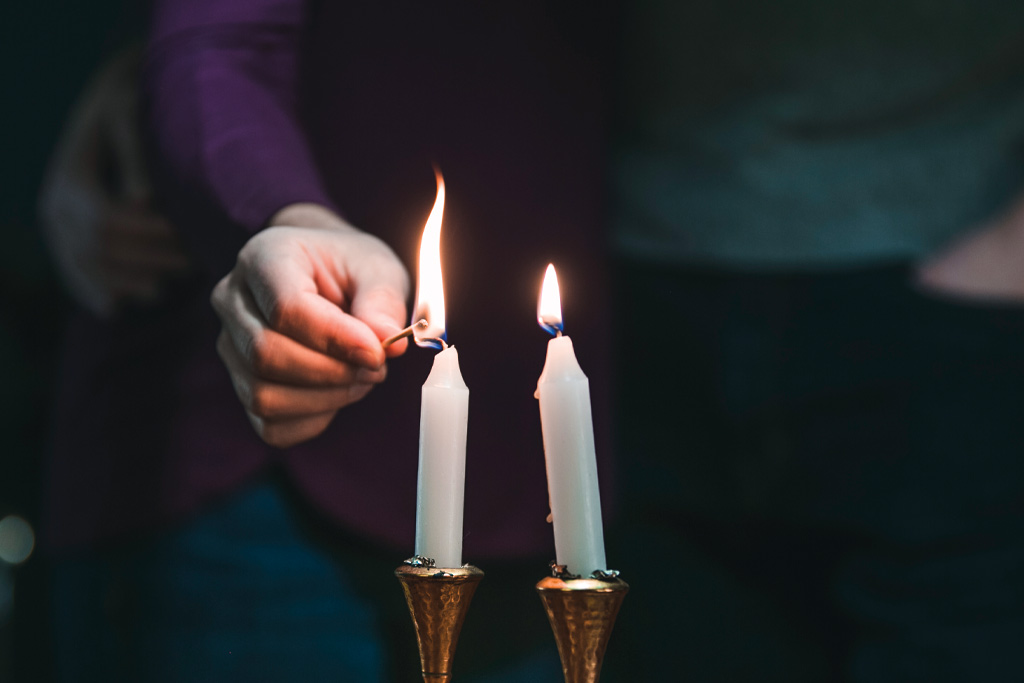
Separating Challah represents a special time of connection with G-d. In our tradition, this is a moment to pray for anything you need, and women throughout the generations have taken advantage of this powerful moment.
Once you finish praying, set aside your piece of dough to be burned. This dough can be burned in the oven or on the stove top. Some recite the following prayer after separating challah:
יְהִי רָצוֹן מִלְּפָנֶיךָ ה׳ אֱלֹקֵינוּ וֵאלֹקֵי אֲבוֹתֵינוּ שֶׁהַמִּצְוָה שֶׁל הַפְרָשַׁת חַלָּה תֵּחָשֵׁב כְּאִלּוּ קִיַּמְתִּיהָ בְּכָל פְּרָטֶיהָ וְדִקְדוּקֶיה,ָ וְתֵחָשֵׁב הֲרָמַת הַחַלָּה שֶׁאֲנִי מְרִימָה, כְּמוֹ הַקָּרְבָּן שֶׁהֻקְרַב עַל הַמִּזְבֵּח,ַ שֶׁנִּתְקַבֵּל בְּרָצוֹן. וּכְמוֹ שֶׁלְּפָנִים הָיְתָה הַחַלָּה נְתוּנָה לַכֹּהֵן וְהָיְתָה זוֹ לְכַפָּרַת עֲוֹנוֹת, כָּךְ תִּהְיֶה לְכַפָּרָה לַעֲוֹנוֹתַי, וְאָז אֶהְיֶה כְּאִלּוּ נוֹלַדְתִּי מֵחָדָש,ׁ נְקִיָּה נִזּוֹנִים תָּמִיד מִיָּדָיו מֵחֵטְא וְעָוֹן. וְאוּכַל לְקַיֵּם מִצְוַת שַׁבַּת קֹדֶשׁ וְהַיָּמִים הַטּוֹבִים עִם בַּעֲלִי )וִילָדֵינו,ּ לִהְיוֹת נִזּוֹנִים מִקְּדֻשַּׁת לֵב, אַהֲבָה, וְשֶׁתִּתְקַבֵּל מִצְוַת חַלָּה כְּאִלּוּ נָתַתִּי מַעֲשֵׂר. וּכְשֵׁם שֶׁהִנְנִי מְקַיֶּמֶת מִצְוַתהַיָּמִים הָאֵלֶּה. וּמֵהַשְׁפָּעָתָהּ שֶׁל מִצְוַת חַלָּה, יִהְיוּ יְלָדֵינוּ שֶׁל הַקָּדוֹשׁ בָּרוּךְ הוּא, בְּרֹב רַחֲמָיו וַחֲסָדָיו, וּבְרֹב חַלָּה בְּכָל כָּךְ יִתְעוֹרְרוּ רַחֲמָיו שֶׁל הַקָּדוֹשׁ בָּרוּךְ הוּא לְשָׁמְרֵנִי מִצַּעַר וּמִמַּכְאוֹבִים כָּל הַיָּמִים, אָמֵן:
May it be Your Will, Eternal, our G-d, that the commandment of separating challah be considered as if I had performed it with all its details and ramifications. May my elevation of the challah be comparable to the sacrifice that was offered on the altar, which was acceptable and pleasing. Just as giving the challah to the Kohein in former times served to atone for sins, so may it atone for mine, and make me like a person reborn without sins. May it enable me to observe the holy Sabbath (or Festival of…) with (my spouse and our children) and to become imbued with its holiness. May the spiritual influence of the mitzvah of challah enable our children to be constantly sustained by the hands of the Holy One, blessed is He, with His abundant mercy, loving-kindness, and love. Consider the mitzvah of challah as if I have given the tithe. And just as I am fulfilling this mitzvah with all my heart, so may Your compassion be aroused to keep me from sorrow and pain, always. Amen.
-Courtesy of Yachad.org
Olivia Friedman is a Judaic Studies teacher at Ida Crown Jewish Academy. She is also the creator of the Parsha for Kids podcast, geared toward ages 7 and up.