‘It is not good for the human being to be alone’
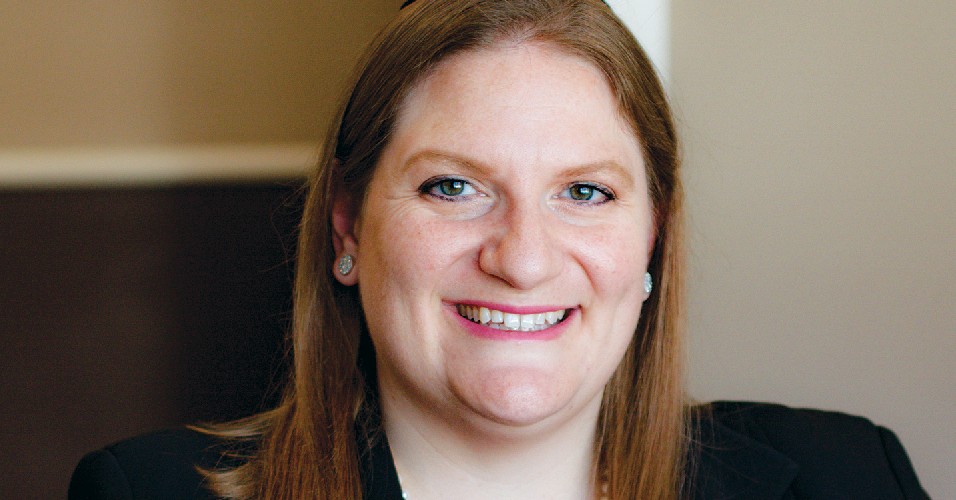
RABBI RACHEL KAPLAN MARKS
We live in deeply challenging times, and over the last several years, even the luckiest among us have had a rough go of it. Many of us, millennial Jews, are parents of young children, and we are exhausted by the barrage of decisions that we’ve had to make over the past few years. While the world around us seemed to move on, those of us with children who were, until recently, too young to be vaccinated, experienced another level of isolation and, frankly, loneliness.
What’s worse is that many of us have settled into that isolation. We’ve gotten used to keeping our circles small. And though it made sense over these years to tighten our circles, our tradition actually cautions against the dangers of isolation.
Because once we feel separate from the community, once we feel we are apart from–instead of a part of–there’s a danger that we’ll fall into the mindset of individualism. There’s a danger that we will begin to worry only about what’s happening in our own bubbles , in our own houses , in our own lives , without considering what might be happening with those just outside of our immediate circles.
When we feel isolated, we risk losing sight of the greater community. And when that happens, we risk prioritizing our own individual needs and wants, privileges, and freedoms above what is collectively good. And that mindset flies in the face of thousands of years of Jewish wisdom.
In the perfect, verdant setting–the Garden of Eden–God fashioned the very first human being whom we call Adam. In the garden, with its lush flowers and flowing streams and tempting fruit, life should have been good. But Adam was all alone. And so God declared, “It is not good for Adam to be alone.”
God was worried what might become of Adam, all alone in the garden. Who would Adam rejoice with, who would he mourn with? Who would care for him, and who would he care for? How would Adam know that there is more to life outside of himself?
In Eden, God understood Adam needed to care about more than just himself. In our creation narrative, God provides an instant solution to Adam’s isolation. After God declares, “It is not good for the human being to be alone,” God continues, “I will make Adam a counterpart.” From Adam’s rib, God creates Eve, who is both part of-and apart from him. Eve faces Adam as his equal. Together they expand each other’s worldviews. God knew that when another human being was placed before Adam, his perspective would shift. The more perspectives added, the better.
We are social creatures, that’s how we were designed. Not only do we need others to rejoice with, to mourn with, to pray with, to debate with, to learn with, to grow with; but we need to be there for others as they rejoice, mourn, pray, debate, learn, and grow.
With every fiber of my being, I believe that the synagogue has the potential to be our countercultural response to the deep-seated societal challenge of radical individualism.
The synagogue can be a counterpart that is both born of, and separate from, all of us. Our engagement in the synagogue can help us and our families to care more about just ourselves, and to be cared for in return. Being part of the synagogue gives us a platform to care for each other, to practice our Judaism together, and to incrementally change the world outside ourselves for the better.
Rabbi Rachel Kaplan Marks is the Rabbi of Temple Beth Israel in Skokie.
In this issue
-
-
-

Catching up with Judy Gold
The actor, writer, and comedian is known for her edgy wit and sharp timing
Read more