How to stay on top of your finances
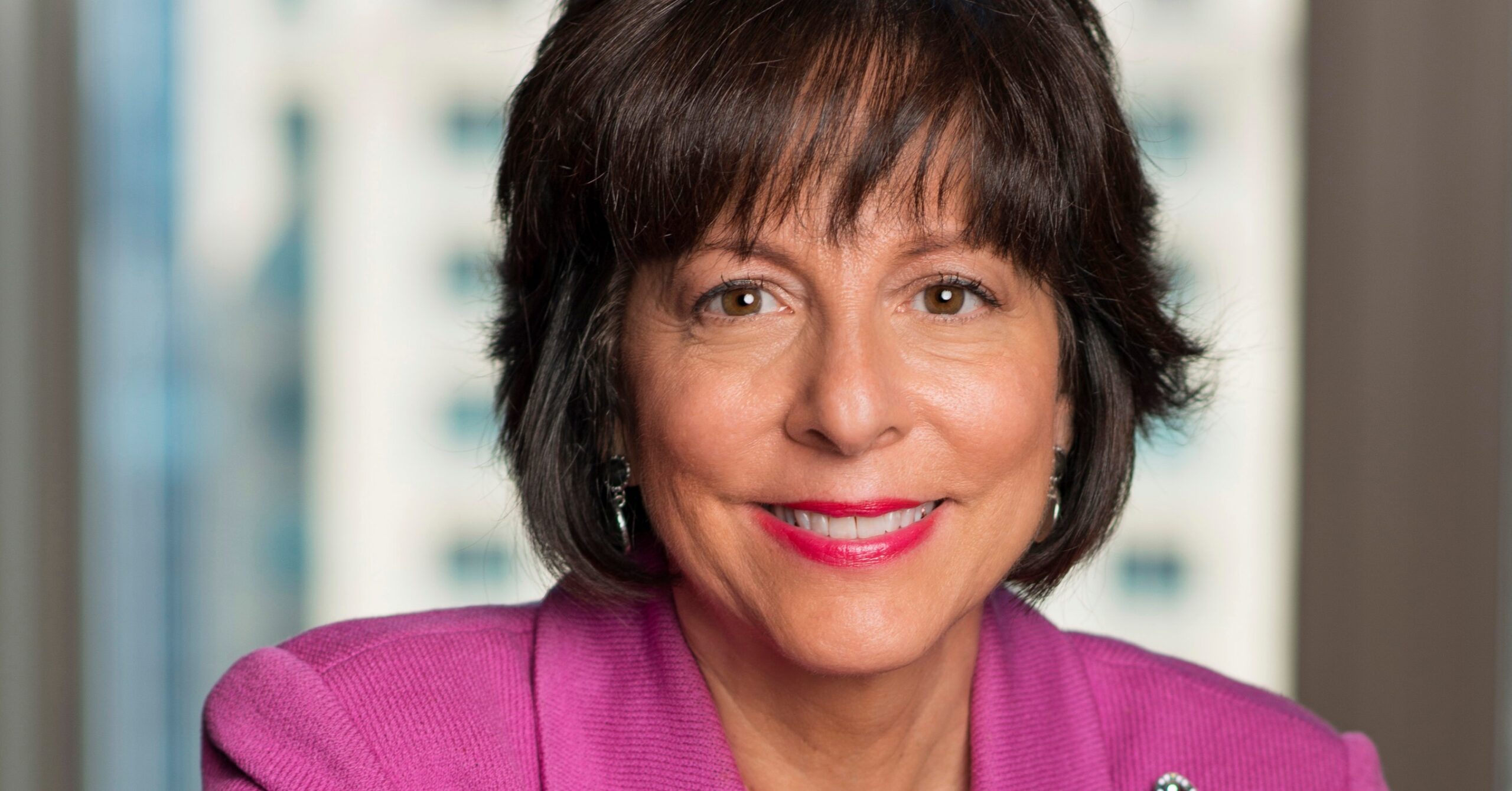
BARBARA FINDER
Millennials, you have been criticized for almost every money choice you make. “You spend too much on coffee.” “You shouldn’t switch jobs so often.” “Why haven’t you bought a home yet?” And, of course, the evergreen lament of every parent and grandparent: “When are you going to get married and start a family?”
What the detractors forget is that you’ve dealt with multiple economic catastrophes: a sluggish job market for everything other than entry-level jobs; stagnant wage growth that has been outpaced by inflation; ballooning student loan debt; increased housing and medical costs … and all those were bookended by The Great Recession and the Covid-19 pandemic.
Don’t listen to the naysayers. You’re saving more and spending less than your parents and grandparents did at the same age. You’re just spending differently: more on experiences than objects. Shifting jobs is the best way to increase your income when wages are stagnant, and raises are microscopic. Later marriage leads to lower divorce rates. And early mortgage debt, on top of student loan debt, doesn’t make sense when you may be taking a new job in Austin within a year.
Forget the kibitzers . Stay confident. If you’re not for yourself, who will be? Millennials, you are just where you’re supposed to be. Here are six suggestions for staying on top of your finances, both short-term and long-term:
- Get personalized advice.
It’s great that you’re saving! Just make sure you get counsel from a human-not an algorithm. How advisors earn their money matters less than that they know your goals, dreams, fears, and values-not just your income, debts, balances, and credit score like an app.
- You want to take a holistic approach.
Apps are brilliant for making your financial life convenient. But AI isn’t going to take a holistic approach and suggest that investing your emergency fund in crypto currencies may not be wise at a time when venture capitalists are buzzing around your employer.
- Don’t crowdsource financial decisions.
Online forums can provide you with almost as much information on a potential investment as someone with a Bloomberg Terminal, but it’s your money and your life. Get input from a savvy human who knows you and make your own judgments rather than follow the online masses.
- Put your money where your values are.
You shouldn’t give just when you’re flush and feeling generous. We’re called to heal the world so put your money where your values are. Don’t listen to those who suggest there’s an inverse relationship between profits and ethics. Impactful investing can be as advantageous for your bottom line as for the world’s health.
- Start with a safety net.
It may be trendy to buy an NFT with your savings, but before you speculate, build an emergency fund. You’ve seen enough financial catastrophes to know how quickly the economy can go south. Calculate how much you’d need to stay afloat for six months and don’t take any risks until you have that much locked away in a secure instrument.
- Take advantage of your age.
Being young has real financial advantages. You can buy permanent life insurance and disability insurance for a lot less now than it will cost when you start worrying about your dependents. And once you’ve got your safety net and insurance in place, focus on stocks for long-term growth. You’ve got the time to weather short-term fluctuations and take advantage of historic trends.
Barbara Finder is a financial advisor and executive director of The Finder Group at Morgan Stanley in Chicago. Forbes named her as one of their Top 200 Women Financial Advisors and one of their Best Illinois In-State Wealth Advisors. Barron’s has named her as one of its Top 100 Women Financial Advisors.
In this issue
-

-

-
Catching up with Gold
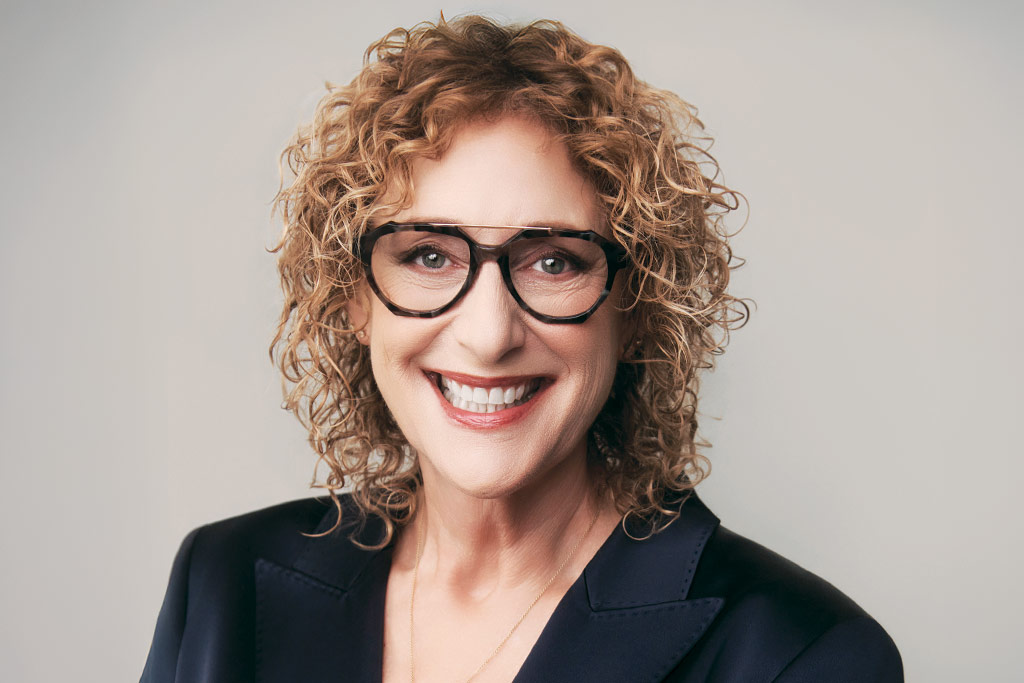
Actor, writer, and comedian Judy Gold is known for her edgy wit and sharp timing
Read more