In ‘Never Simple,’ Liz Scheier plumbs the depths of her mother’s mental illness
Robert Nagler Miller
Growing up with a parent who is “off-kilter” can be frightening, at best, indelibly scarring, at worst. Particularly when you’re a child who doesn’t know any better-who lacks the knowledge and worldly experience to understand that not everyone’s mother screams at top-decibel level when plans do not unfold to her liking or threatens to kill the family dog when her instructions are not followed to a tee.
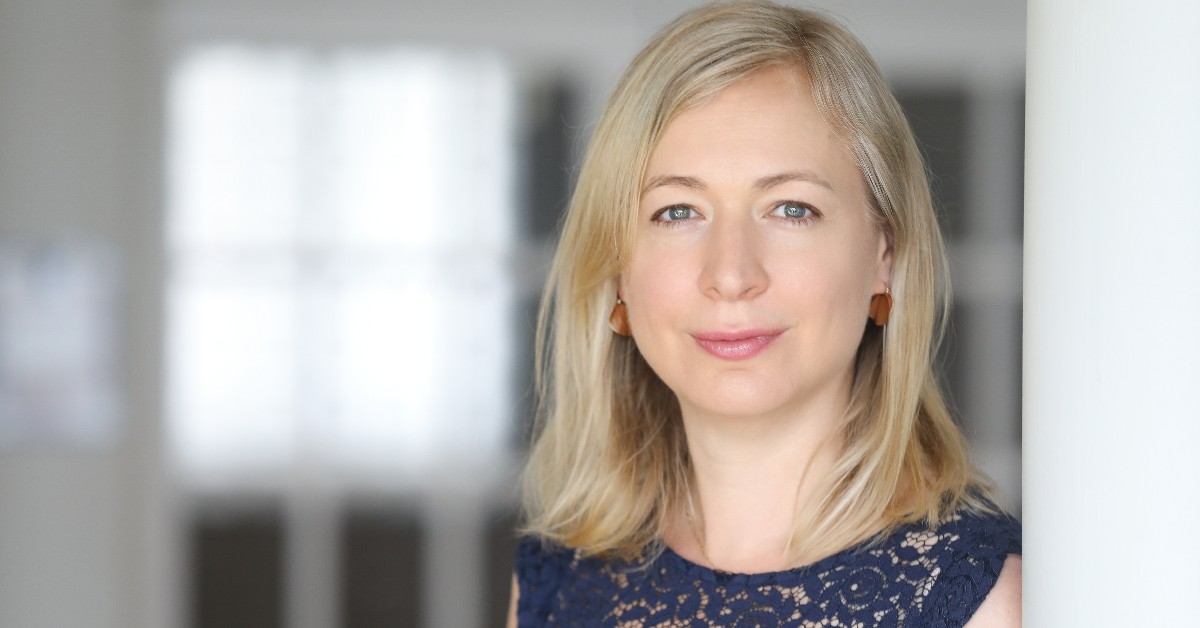
Longtime Jewish publishing insider Liz Scheier describes such a mother, her own, Judith Scheier, in her recently published memoir, Never Simple . She writes compassionately of her growing understanding of what ailed her mother-a seemingly intractable borderline personality disorder-but does not gloss over the havoc it wrought in her single-parent home on New York’s Upper East and West Sides.
Judith Scheier could be emotionally seductive and larger than life. She was the very same woman who lied to her daughter about almost everything, her biggest fabrication involving the paternity of Liz’s missing parent. The author, now in her 40s, spent a great deal of her young adulthood uncovering that mystery, but she also worked hard to negotiate a balance that would allow her to manage a mentally ill parent who leaned heavily on her for support of every kind-emotional as well as financial-while creating a life outside that dysfunctional bubble in which she could thrive as an autonomous, successful adult with a spouse, children, and career.
Never Simple, which made the American Booksellers Association’s March 2022 Indie Next list, was published almost three years after Judith Scheier’s death.
Jewish Chicago: The JUF Magazine recently spoke to the Washington, D.C.-based Scheier to learn more about her and her mother’s life together and their frayed and fraught relationship. Edited excerpts of the conversation follow.
Jewish Chicago : Jewish rituals figure heavily in your book. You touch on how they related to your upbringing and your rites of passage, and how they provided comfort to you following your mother’s demise. How important was it to your mother that she transmit to you a strong Jewish identity?
Liz Scheier: She was very immersed in Jewish tradition. We did Passover, the High Holidays. I went to Park Avenue Synagogue. The teachers were great. The rituals around death were enormously comforting [to me when my mother died]. They gave me the space to grieve, and they did not require me to replicate telling a false story.
Q: There’s a lot of curiosity surrounding who your mother was before you came upon the scene. Care to fill in the details?
A: My mother was brilliant. She grew up in Far Rockaway, Queens, and you can see her looking out at the bay [Jamaica Bay] and saying, “I’m going to live there one day” [Manhattan]. She went to Barnard College and NYU Law School, and she practiced copyright law until she stopped going to work because of her agoraphobia.
[As for the time leading up to my birth], I think my mother was ashamed that she and my father weren’t married, and that he wasn’t Jewish.
Q: Your book is not a Mommie Dearest tell-all, but you do discuss openly, and in memorable detail, some of the chaos your mother created in your life. What do you think she’d make of your book?
A: She would be furious, but she’d also be in the first row [at a book reading], drinking her orange soda and saying, “That’s my daughter.” So, pretty proud and swearing profusely.
Robert Nagler Miller is a journalist and editor who writes frequently about arts- and Jewish-related topics from his home in Chicago.