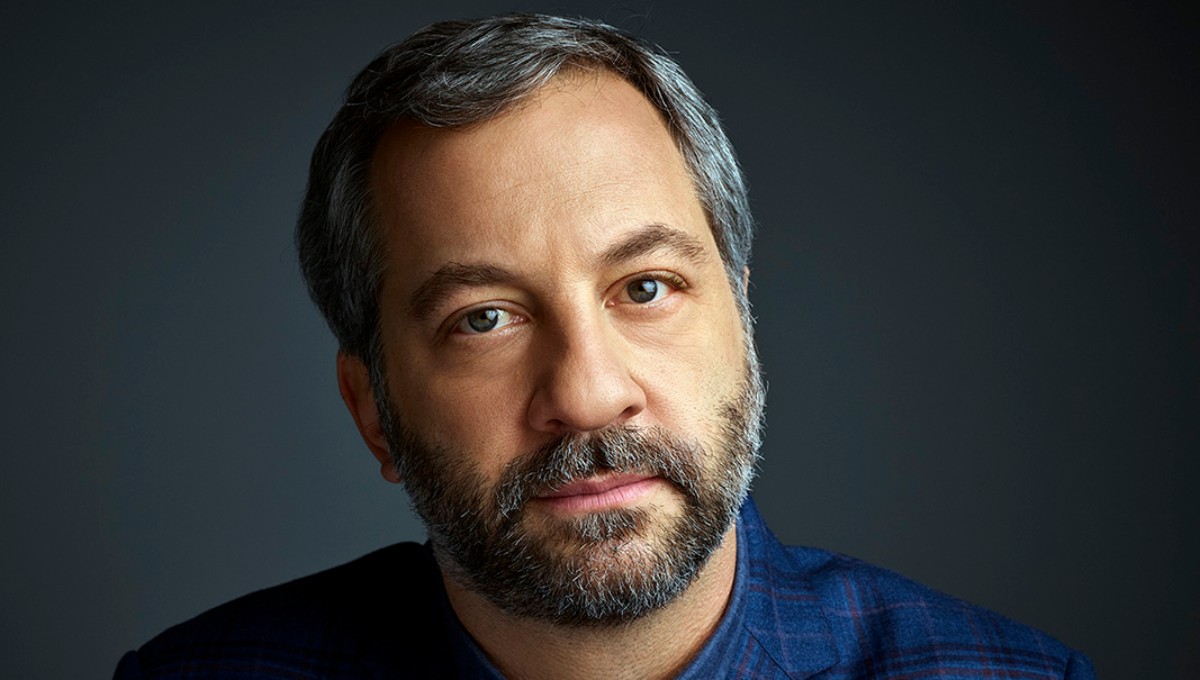
After curating a collection of admired writing (I Found This Funny) and publishing two volumes of interviews with other comedy artists (Sick in the Head and Sicker in the Head), Judd Apatow turns the spotlight on himself with his most personal project yet: Comedy Nerd.
This treasure trove spans his career from comedy-obsessed teenager to one of Hollywood’s most prolific and influential writer-directors-producers-mentors. As with his films, the memoir runs long, but if you love show business stories and can’t get enough of priceless images of now-A- list collaborators and colleagues in the first flush of their careers, you won’t be able to stop turning its 500-plus pages.
Comedy Nerd begins with a delightful introduction written by kindred spirit Lena Dunham, a fellow Jewish Long Island comedy obsessive. The creator of the generation-defining HBO series Girls is just one of the many artists whom Apatow has encouraged to come to him with any projects they wanted to try and get made. Others include Paul Feig (the brilliant but short-lived TV series Freaks and Geeks), Steve Carrell (The 40-Year-Old Virgin), Seth Rogen and Evan Goldberg (Superbad), and Amy Schumer (Trainwreck). “He will never, ever let a young artist stop believing in themselves,” Dunham wrote.
Apatow had his own mentors who likewise helped him cultivate his voice and talents. One who looms large in the Apatow story is Garry Shandling, who hired him to work on the classic The Larry Sanders Show.
“The fact that Garry thought I was talented made me believe in myself more,” Apatow wrote. “If the person I looked up to more than anybody thought I was worthy of the responsibility he was giving me, then maybe I should try to believe in myself more. It certainly implanted in me the idea that part of what we do is our creative work, and then another part is teaching younger people how to do theirs. That mentorship is a key part of this.”
Apatow is the Zelig of comedy. He was there before Adam Sandler hit it big- they were roommates. “Even when Adam was doing auditions to play the cab driver in a movie and not getting it, we all believed he was going to be the next Eddie Murphy,” he wrote.
When he heard about a proposed telethon to benefit the homeless that became Comic Relief, Apatow said he would work for free. He was also there at the launch of Ben Stiller’s and Jim Carrey’s careers.
His resume is one of Hollywood’s most enviable. Through anecdotes, indelible images, script pages, reprinted magazine profiles, diary excerpts, and even hostile email exchanges, he takes readers behind the scenes, project by project. Freaks & Geeks, still spoken of in reverential tones by comedy and cult TV buffs, was cancelled after one season, mainly because the show’s creator, Paul Feig, and Apatow resisted network notes to let the show’s hapless geek characters “win” more. “That happened way too many times,” Apatow observed. “Quick failures followed by long afterlives. For the time being, that was my career.”
He was bitten by the comedy bug early on. “I just felt very early that there was something special about being funny,” he mused. “I’m sure I wanted to be funny more than I was funny… but I had sensed this is my tribe.”
While he has said he isn’t “religious,” Apatow is proudly Jewish, and was a very public advocate for releasing the hostages.
His Jewish sensibility, too, shines through in almost everything he writes. “People talk about writing diversity in the movies,” he told the audience when he headlined the JUF Vanguard event in 2018. “But I don’t know if I can write anyone but the Jews,” he joked. “I’m Sephardic-I can’t even write [about] an Ashkenazi Jew.”
Donald Liebenson is a Chicago writer who writes for VanityFair.com, The Washington Post, and other outlets.
In this issue
-
-

-
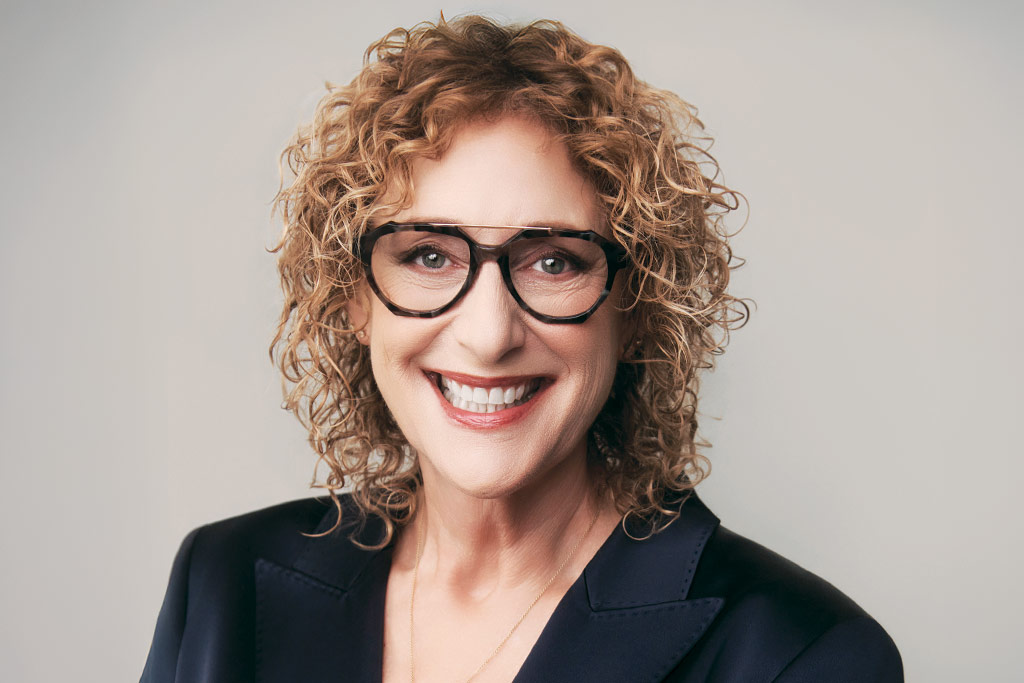
Catching up with Judy Gold
The actor, writer, and comedian is known for her edgy wit and sharp timing
Read more