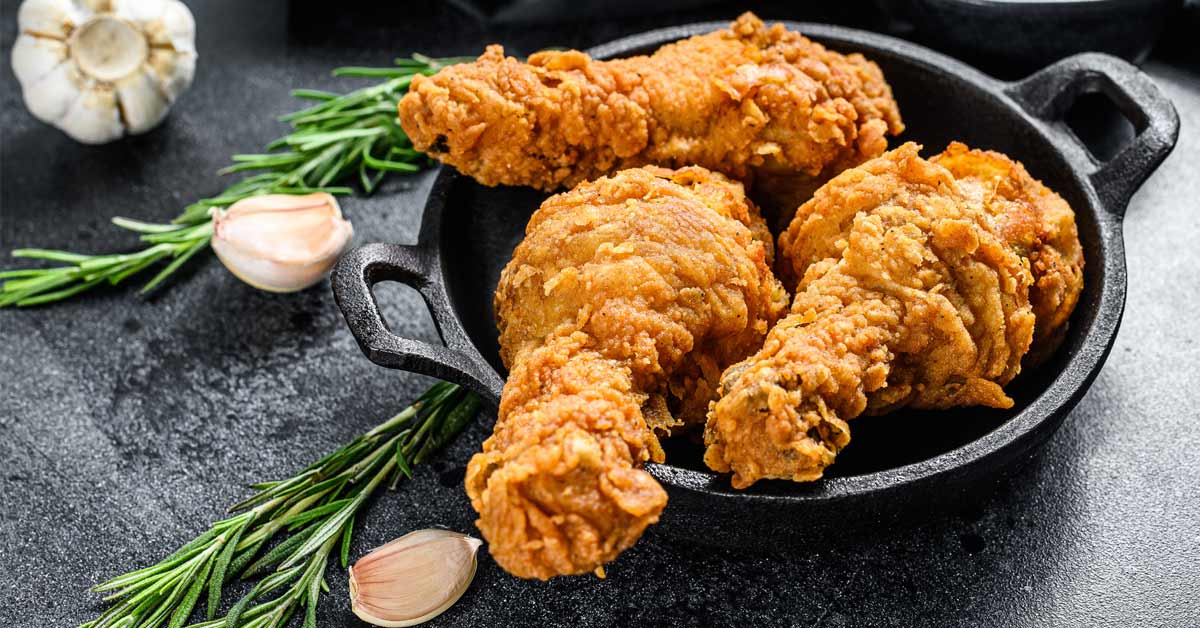
Chanukah’s miracle was about oil, and so are its recipes, from fried potato latkes to fried dough sufganiot (jelly donuts). But really? Anything fried in oil is miraculous on Chanukah.
Italy, for example, has a history of delicious fried chicken, or Pollo Fritto , and that the recipe is part of Chanukah. When I think of fried food in Italy, I typically think of Fritto Misto (mixed fry) which is a delicious mix of thinly cut vegetables, dipped in batter and fried in olive oil, or the famous Carciofi alla Guidia , the Jewish fried artichokes of Rome, also cooked in olive oil.
Pollo Fritto is not your American fried chicken. The recipe is simple; each of the very few ingredients has purpose. The acid in lemon juice, for example, tenderizes the chicken and adds a fresh, bright flavor which contrasts beautifully with the fried flavor.
I have been loudly banging the drum on the virtues of using extra virgin olive oil, EVOO, for many years, and this Italian fried chicken resonated with me. EVOO is part of the Mediterranean Diet. It is minimally processed, has so many health benefits, is used in almost every recipe I write, whether sweet or savory.
Fried food is a treat and should be regarded as such. But, if we are going to indulge occasionally, let’s do so in the most healthful way possible.
I worked as a product development chef for a spice company, and the combination of nutmeg and cinnamon activated my spice-geek radar. While Italian cuisine is known for its use of fresh herbs and light touch with spices, these were intriguing. Nutmeg is often used in Northern Italian dishes, while cinnamon is used in Southern Italian and Sicilian foods, including meat dishes. Hmmm… how did they get together, in a country know for regional and often distinct cuisines?
The use of nutmeg and cinnamon in Tuscan Jewish cuisine, and other Italian regional cuisines, was a result of the Jewish community’s historic role in the spice trade. Jewish traders brought these valuable, exotic spices from the East to Europe, where they were adopted into local cuisine and adapted to Jewish dietary laws. During the Middle Ages, Venice and other Italian cities became the dominant European hubs for the spice trade, importing large quantities of spices from the Middle East.
I am doing math here and, because of this recipe’s use of spices, it is confirmed that Pollo Fritto is older than potato latkes. While a recipe for ” Pollo Fritto per Hanucca “ (fried chicken for Chanukah) from the Jewish community of Tuscany dates to ancient times, the potato is a New World crop not introduced to Europe until the 16th century; it then took another 200 years for potatoes to become a popular and inexpensive food source. The potato latke as we know it today, primarily an Ashkenazi dish, did not gain widespread popularity until the 1800s in Eastern Europe.
Back to the recipe! A light hint of warm, fragrant spices like cinnamon and nutmeg enhance the delicate flavor of chicken. The trick is to use just a touch of these spices. You don’t want to overwhelm the flavor of the whole dish; you want to add a “chef’s kiss”! Most recipes for Pollo Fritto include the spices in the marinade. The marination time for this recipe is short, because the acidic lemon juice may break down the chicken and cause it to become mushy, but I do want those spice flavors, and I added them to the flour in place of cayenne and paprika as in an American style fried chicken mixture.
The original recipe also calls for all flour as a coating. Flour can become heavy when fried and then turn gummy as the chicken cools. I want my chicken lightly battered and very crispy, so I used a Korean method of using a mix of flour and lighter starches to give a shatteringly crisp coating. For this recipe, I used rice flour. You can substitute corn starch or potato starch.
This Chanukah, I will be enjoying my usual latke night but will be looking forward to Italian night with Pollo Fritto .
Pollo Fritto
Crunchy-coated, juicy-rich chicken is a holiday treat. Subtle flavors from the nutmeg and cinnamon add a warm, toasty-savory flavor. I like to serve this crave-worthy chicken with Garlicky Mashed Potatoes, a light and peppery Arugula Salad.
For the Marinade
Zest of 1 lemon
Zest of 1 orange
Juice of 3 lemons
1 teaspoon sea salt + more for sprinkling
½ teaspoon black pepper
3 tablespoons EVOO
6 cloves of garlic, smashed
1 large sprig fresh rosemary
1 whole chicken, cut into 8 pieces
For frying
¾ cup flour
¼ cup rice flour
1 teaspoon good quality cinnamon
½ teaspoon nutmeg
½ teaspoon baking powder
3 eggs, whisked
EVOO for frying
Several rosemary sprigs
Garlic cloves, smashed
1. Place a cooling rack over a sheet pan. Preheat oven to 300°F (optional)
2. Combine citrus zests and juices, salt and pepper, olive oil, garlic, and rosemary in a large mixing bowl. Add chicken pieces and toss to coat each piece. Allow to marinate for at least 1 hour but not more than 3 hours.
3. Whisk together flour, rice flour, cinnamon, nutmeg, and baking powder in a large bowl or large pan and set aside. Place eggs in a large bowl or pan.
4. Remove chicken from marinade.
5. Heat enough oil to a depth of 2 inches, in a large, heavy weight Dutch oven, wok, or cast-iron pan (I use my wok for this) to 375°F. Fry rosemary and garlic cloves in oil for about 1 minute until very fragrant. This will scent the oil with a delicious flavor. Reserve rosemary and garlic for garnishing.
6. Coat chicken pieces in flour and then in eggs. Fry chicken, a few pieces at a time, turning occasionally, for about 10-15 minutes or until a thermometer registers 145°F for breasts and 155°F for legs and thighs. Place cooked chicken on cooling rack. If cooking more than one chicken, transfer chicken to preheated oven.
6. Crumble fried rosemary over chicken
7. Serve with fried garlic and additional lemon wedges.
Frittelle Di Dolce (Sweet Fritters)
I can’t let a festive Chanukah meal go by without a doughnut. I love making doughnuts and decorating them with icings and fillings. These frittelle are a snap to make, and do not have elaborate finishing touches. Just a sprinkle of powdered sugar and they are done. You can dip them into melted chocolate if desired.
Less fussy than sufganiyot and equally delicious with airy pockets and citrus flavors. These fried puffs are easy to make and are festive for Chanukah or a brunch menu.
Yield: 2 dozen doughnuts
1 teaspoon active dry yeast
¼ cup lukewarm water
1 teaspoon granulated sugar
¼ cup flour
For the dough
½ cup raisins or dried cranberries or chopped dates
¼ cup alternative milk (I use unsweetened almond milk) or water
1½ cups all-purpose flour
¼ cup granulated sugar, plus extra for decorating
⅛ teaspoon salt
1 egg
2 teaspoons vanilla extract
Grated zest of 1 orange (or lemon)
1 tablespoon rum, cognac, or grappa (optional)
EVOO for frying
Garnish: powdered sugar
1. Line a baking sheet with parchment paper and paper towels or a clean brown paper bag.
2. In a mixing bowl for a standing mixer, stir together yeast, ¼ cup water, 1 teaspoon sugar, and ¼ cup flour. Cover with a towel and allow to sit for about 20 minutes and up to 2 hours. The surface will appear dimpled and spongy.
3. While the sponge is forming, soak dried fruit in hot water until softened. Drain and pat dry.
4. With a paddle attachment, mix milk or water, flour, sugar, salt, egg, vanilla, zest, and rum. Once the ingredients have come together, add raisins and mix for another minute.
5. Turn dough out on a lightly floured surface and knead until smooth.
6. Return the dough to bowl, cover and allow to rise about 1 hour.
7. Heat extra virgin olive oil in a cast iron pan, Dutch oven, or wok, to a depth of 2 inches, to 350°F.
8. Using 2 spoons, drop tablespoon amounts of dough into hot oil, a few at a time. Turn dough once or twice during cooking until golden brown. Transfer to lined baking sheet. Continue with remaining dough.
9. Garnish with powdered sugar and serve.
Laura Frankel-a noted kosher chef, and cookbook author-serves as Director of Culinary Operations at Tamarisk NorthShore. She is also a product development specialist and has worked as culinary director for a media company.
In this issue
-
-
-
The least Jewish of Jewish holidays
Rosh Hashanah inspires the Jewish people to live in the balance
Read more