By CINDY SHER
Executive Editor
One of my favorite features about Judaism is the freedom our tradition gives us to ask questions. While wrestling with Jewish text is always encouraged, it is expected on Passover. The youngest guests at our seders will likely ask the four traditional questions, but here are four other questions to chew on over matzah this holiday.
- Why is there hate?
Like so many other times in our long Jewish history, the plagues of hate, bigotry, fear, and violence occupy our thoughts, along with frogs, hail, locusts, and pestilence.
“In every generation,” we read at the seder, some try to “rise up against us to destroy us.” Pharaoh tried. Haman tried. Hitler tried. Hamas tried. Ayatollah Khamenei tried, too. And indeed, today there are unhinged people around the world still trying. But hate doesn’t have the power to break us—it never has and never will.
We can’t explain why there’s hate, and our descendants—I’m sorry to tell you—will still ponder that vexing question generations from now.
But the upside is that love, ultimately, drowns out hate. When a handful of hateful individuals try to wreak terror and destruction, there are hundreds more kind souls who risk their own lives to help.
For instance, while two pathetic gunmen caused the massacre on Australia’s Bondi Beach over Chanukah, heroes—of different faiths—ran toward the danger to save lives. Like Ahmed al-Ahmed, a Syrian-Australian shop owner, who fought a gun off one of the attackers. And Reuven Morrison, who died trying to fend off the same attacker; may his memory be a blessing.
- With so much repair to do in this world, where do we possibly begin?
Anywhere we want. Pirkei Avot’s Ethics of Our Fathers—a book of collected ancient Jewish wisdom—teaches us that we are “not obligated to complete the work, but neither are you free to desist from it.”
It’s easy to get overwhelmed and retreat from the problems of the world, but what better place to start than in your corner of it, with something you feel passionate about, using a skill you may already have.
For ideas on where to get started, visit juf.org/tov to connect with volunteer opportunities in our community.
- As we celebrate our freedom from oppression, how do we free ourselves from our to-do lists and screens to be present?
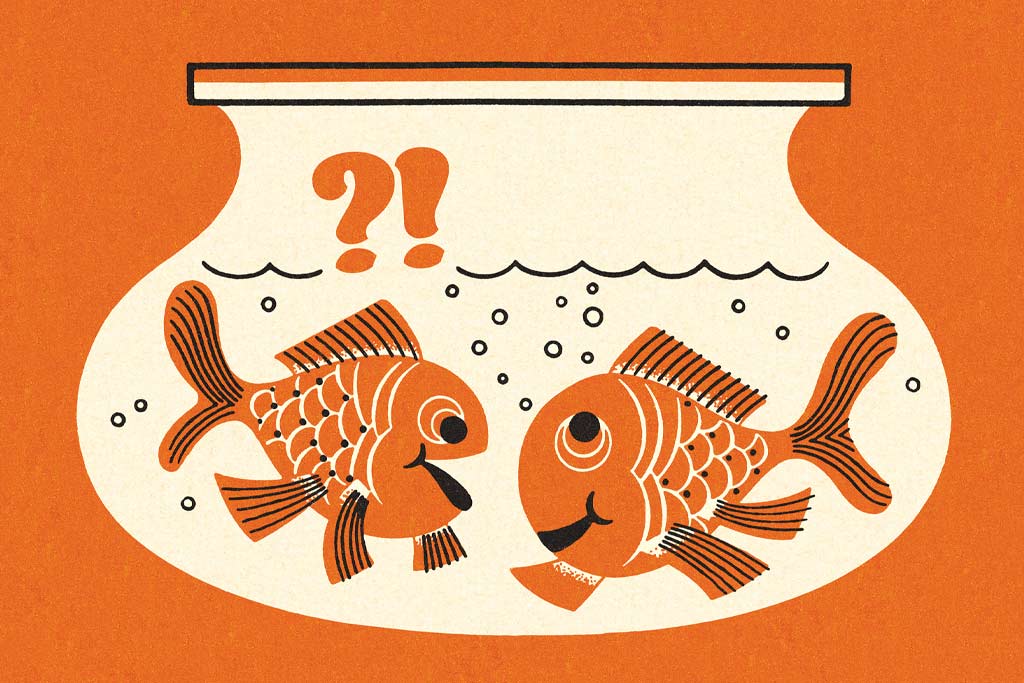
In writer David Foster Wallace’s 2005 Kenyon College commencement address, he tells a parable about two young fish swimming along when they happen to meet an older fish swimming in the opposite direction. The older fish nods at them and says “Morning, boys. How’s the water?” The young fish swim for a bit, and then one of them asks the other, “What the hell is water?”
Wallace gave the speech 20 years ago, but the lesson resonates now more than ever: Don’t miss the big picture. Let’s take moments now and then to free ourselves from the anxiety, stress, and obligations of daily life—and just be present. Let’s untether from our screens to connect with something real—with nature, with G-d, with the people we love.
- How can I matter?
In Rabbi Harold S. Kushner’s spiritual guidebook Living a Life That Matters, he writes that he has tended to many gravely ill people in the final days of their lives, through which he has noticed a pattern: Certain patients were less afraid of dying than others, and whether they were afraid to die depended on how they had lived.
The people who had lived fulfilling lives on earth were less afraid to die, while the ones who felt that they hadn’t done anything worthwhile—with purpose in their lives—wished G-d could give them just a couple more years. “It was not death that frightened them,” Kushner writes. “It was insignificance, the fear that they would die and leave no mark on the world.”
We as human beings are put on earth not to just exist, but to live with intentionality and purpose. Each of us is here to shine our own unique light on the world. Where will you shine yours?