What happens in Gaza doesn’t stay in Gaza

Recognizing the war’s impact on the Diaspora

Ofer Bavly 0925 image
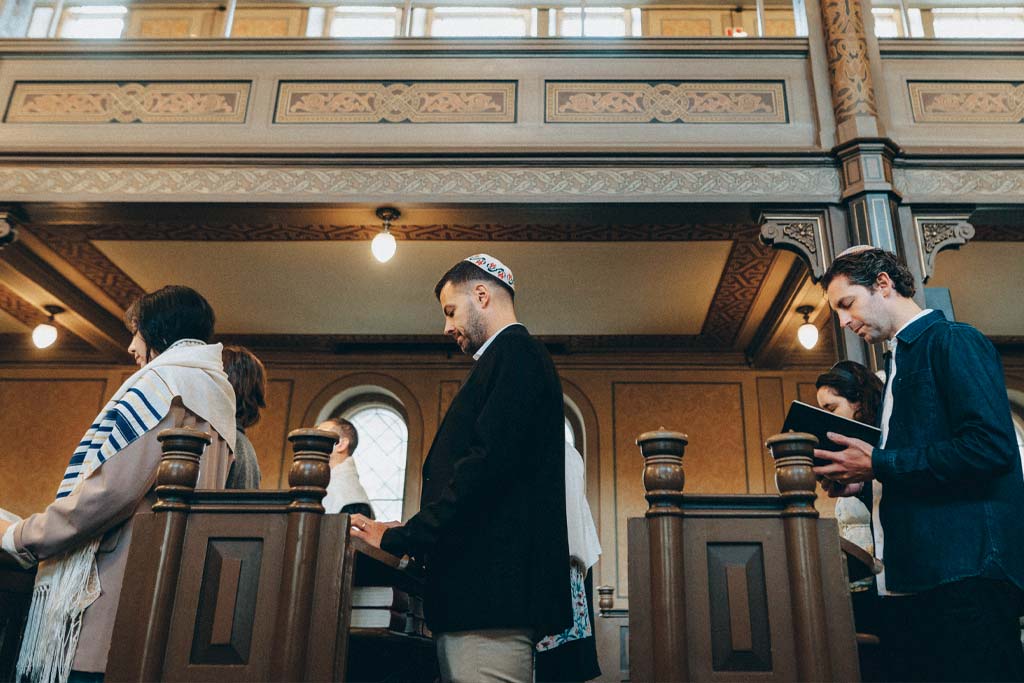
Jewish Chicagoans standing proudly with Israel during a Yom Ha’atzmaut gathering at Chicago’s Daley Plaza last spring. (Photo credit: Robert Kusel)

The connection between the Israeli people and Diaspora Jews is tight. No other country has such a vibrant Diaspora community spread out over all four corners of the world, maintaining such a strong, committed, and continuous connection with its ancestral homeland. 

In our case, the bond is multi-layered and multi-generational. It includes family ties, political connections, and philanthropic support. When Diaspora communities come under attack, we feel it in Israel, and we come to the aid of our sisters and brothers. When events occur in Israel, happy or tragic, we know that Jews in the Diaspora are going to be right there with us. More than just a people, we are mishpachah, a family. 

What happens in Israel impacts the Jewish Diaspora. When we fought and won the Six-Day War, Jews around the world felt euphoric pride. When we came under surprise attack in the 1973 Yom Kippur War, Jews around the world supported us. 

With the advent of instant communications and social media, that constant connection between us is even deeper today. There is no better example than October 7, when the pain felt by Jews around the world was palpable. We certainly felt it in Israel, as messages of condolence, support, and encouragement poured in from millions of Diaspora Jews-quickly followed by close to a billion dollars in philanthropic support from North American Jewish Federations alone. 

Today, as we approach the two-year mark from that massacre, Israel sits in a different place. The events of the war and the rapid pivot of Israel from victimhood to response has shifted the way that the international community now views Israel. The world sympathy-embodied among other things by the visits to Israel by world leaders in the immediate aftermath of October 7-quickly turned to sharp and even harsh criticism of Israel's handling of the war in Gaza, seen by some as an over-reaction to the massacre inflicted on us. 

Whether one agrees or not that Israel could have or should have reacted differently, world public opinion is indubitably critical of us today in a way that is hard to remember at any time in our history. Thanks to social media and a news cycle measured in seconds-and to a well-oiled pro-Palestinian propaganda machine which doesn't balk at hyperbole, fabricating images and outright lying-the world, with few exceptions, has turned against Israel like never before. 

What happens in Gaza does not stay in Gaza, and public world opinion does not differentiate between the policies of the Israeli government and army, and the Jewish people around the world. The sympathy and identification of Diaspora Jews with Israel, once a pillar of strength for the Jewish state as much as for the Diaspora, is now putting Jews under direct attack by an intersectional convergence of far right and far left in Europe, in the U.S., and elsewhere. 

Demonstrators and Israel-haters, joining traditional antisemites-unable to attack Israel directly- are attacking Jews outside Israel's border, not because they support Israel but simply because they are Jews. For supporters of the Palestinian cause, the low-hanging fruit is the local Jewish community or Jewish bystander, automatically associated with whatever social media is accusing Israel (mostly falsely) of doing. 

It is imperative for Israel and its government to take steps to mitigate the hate that its policies are having on Diaspora Jews. It is incumbent upon Israel to protect Jews around the world, but also to ensure that they never come under attack merely for being Jewish. And it's critical that philanthropic support for the people of Israel, necessary today more than ever before, doesn't dry up because of criticism towards the Israeli government's policies. 

In the face of adversity, Diaspora Jews and Israelis are family. Together we are unjustly reviled, together we stand, and together we will overcome. 

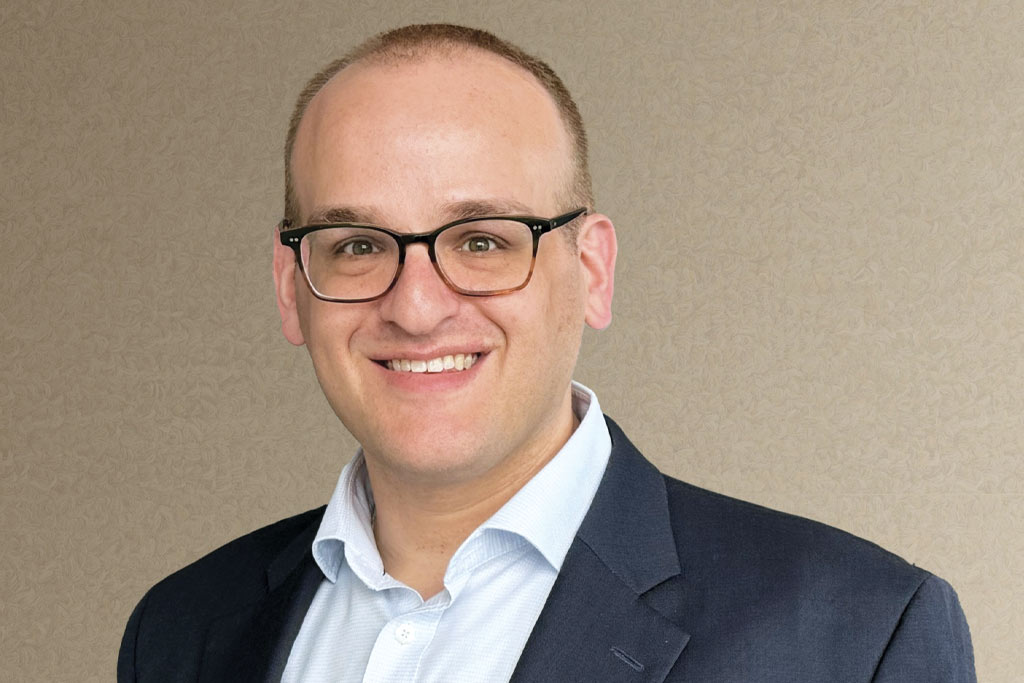
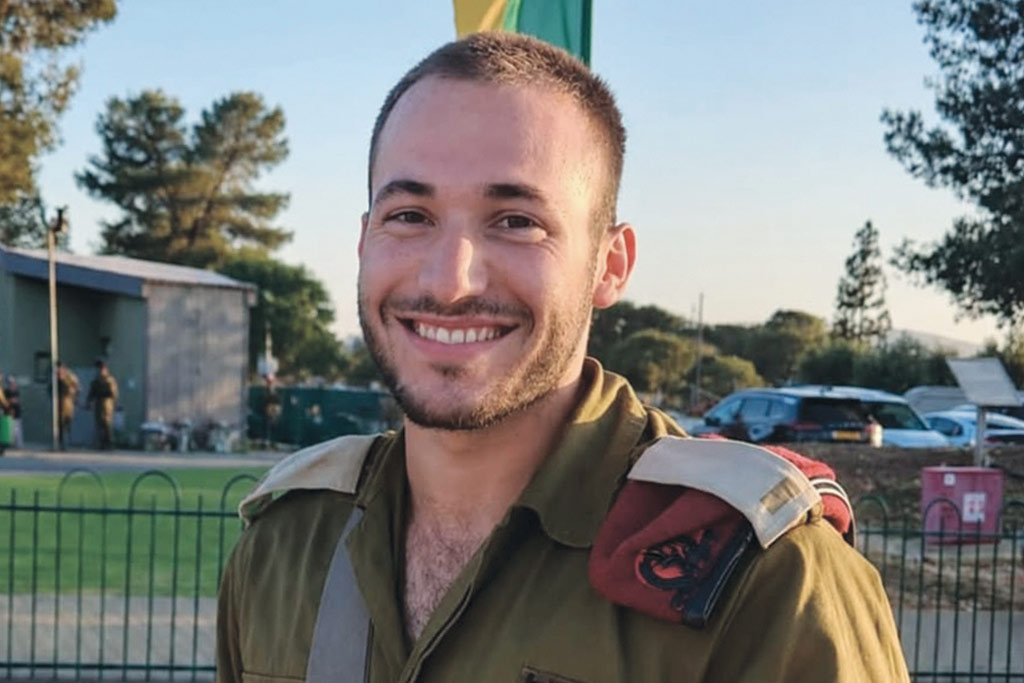
Ofer Bavly is a JUF Vice President and the Director General of the JUF Israel Office.   


AdvertisementMiramar Capital 2024
AdvertisementSpertus - Advance Your Career 2025 - resized
AdvertisementBuckingham Pavilion
Connect with us