
Rabbi Levi Yitzchak of Berditchev, the holy and pious Chasidic master, was referred to as the “Defense Minister of Israel.” This was long before the founding of the modern state of Israel, and no, he did not ever serve in the Knesset. But whenever another Jew was acting in a way that seemed questionable or even inappropriate, he would always try and come to their defense. He was the ultimate “dan l’kaf zechut” (one who judges favorably), always seeing the merits of other Jews, and assuming the best in their actions and intentions.
The story is told that, in the town of Berditchev, the wagon drivers would leave shul early and begin greasing the wheels of their wagons while still finishing their prayers and even wearing their tefillin! Many from the town were up in arms, protesting that this was not respectful; first daven, they urged, and then begin working!
In response, Rabbi Levi Yitzchak loudly called out: “Ribbono shel olam (Master of the World), how holy are your children, that even while they grease their wagon wheels to support their families, they continue praying in their tefillin!” His message was received loud and clear: focus on your own struggles and growth, and only see and assume the best in others.
Fittingly, it is Rabbi Levi Yitzchak himself who observed this secret hidden in the names of the upcoming holiday. While the Torah refers to this holiday as “Chag HaMatzot” (the holiday of matzah), we— and even the Rabbis in the Talmud—always refer to it as Pesach (or Passover). Why do we change the name from the one that is used in the Torah itself?
Rabbi Levi Yitzchak explained that Hashem calls it “Chag HaMatzot” to acknowledge and praise the Jewish people for faithfully following Him into the desert, grabbing our matzah, and running at a moment’s notice. Hashem named the holiday after the food that represents the loyal devotion of His people.
We, however, choose to focus on our appreciation for what Hashem did for us. While smiting each firstborn of the Egyptians, He passed over the Jewish homes, sparing our firstborns from this plague. We, following the lead of our Sages, choose to focus on Hashem’s acts of kindness and mercy towards us, and call the holiday accordingly.
Apropos to his life, Rabbi Levi Yitzchak taught us that while it is our responsibility to be grateful for Hashem’s gifts to us, He too, so to speak, is constantly noticing and cherishing each of our mitzvot and good deeds. Whether in the context of family, the workplace, shul, school, or anywhere, this lesson is something we should carry with us. Appreciate the goodness of others, and even when our instincts tell us to be suspicious or critical, let’s always try and assume the best. Just like we wish for others to give us the benefit of the doubt, so too should we grant this to them.
Yehoshua ben Perachaya teaches, “Judge all people favorably” (Pirkei Avot 1:6). The Maharal, as he is also called, comments that when we judge each other favorably, it will ensure that there is no פירוד (separation) between each person and his fellow. How beautiful would it be if we all only saw the good in each other!
We are so fortunate to be part of a community that truly is full of holy, kind, genuine, and growing people. May we merit to heed the message of both “Chag HaMatzot” and “Chag HaPesach,” and to always focus on the greatness and goodness of others. If we each lift each other up just a little bit, we can together truly elevate the entire world.
Rabbi Daniel Fox is the spiritual leader of Darchei Noam Glenbrook and teaches at Ida Crown Jewish Academy.
In this issue
-
This Passover, four more questions
The youngest guests at our seders will likely ask the four traditional questions, but here are four other questions to chew on over matzah this holiday.
Read more -
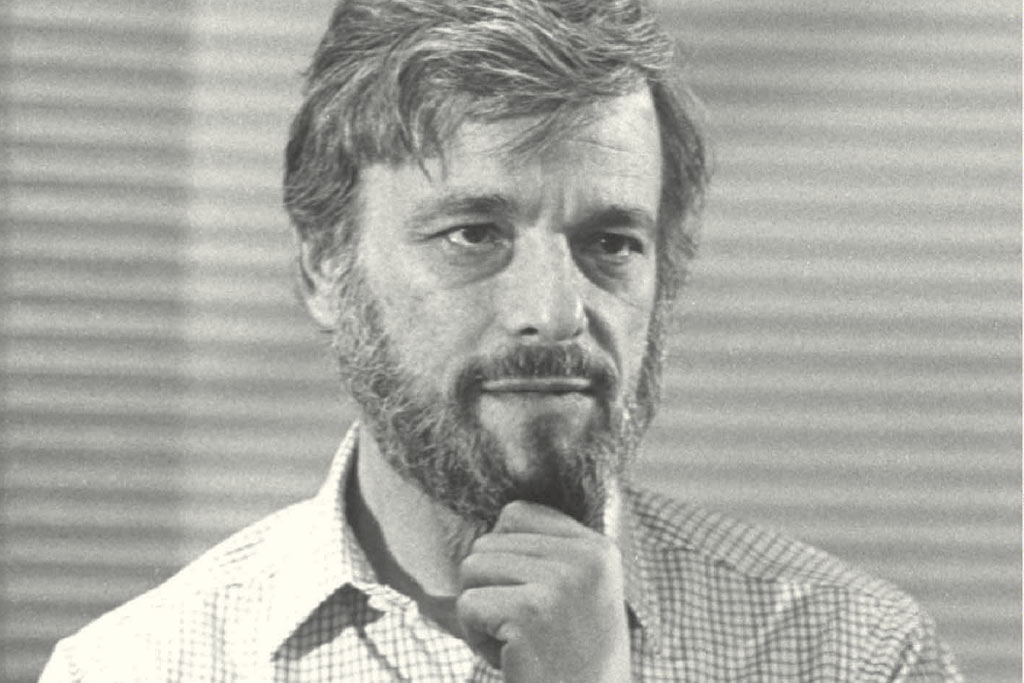
New Stephen Sondheim biography details the towering figure
‘Walking encyclopedia of musical theater’: New Stephen Sondheim biography details the towering figure
Read more -

Celebrating spring and a crop of new productions
A celebration of Passover, warmer weather, and a crop of new productions
Read more