Building better bones
RON KRIT
A few former colleagues call me Dr. Krit. And although I appreciate the compliment, I’m not a doctor. Before you start a new exercise program, or look into supplements, talk to your actual doctor.
Building stronger bones might not be as sexy as getting ripped, but the older you get, the more important it is. As we get older, our bones weaken–this is especially true for post-menopausal women. But there are ways to offset some of this loss: weight-bearing exercises, balance training, and nutrition.
Weight-bearing exercises
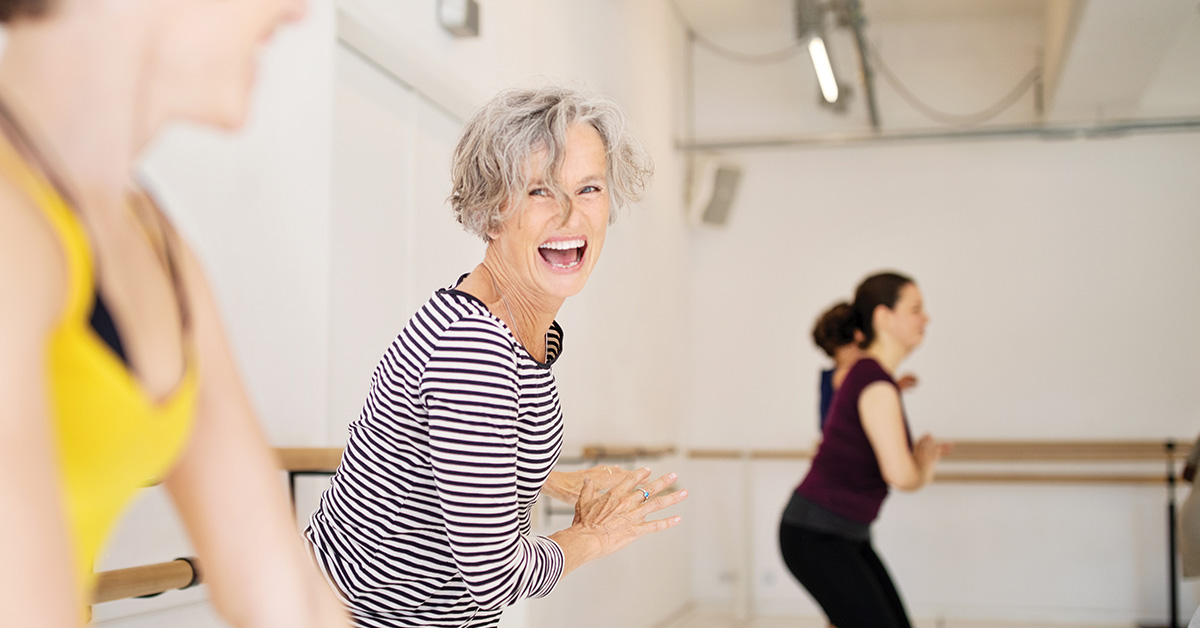
A lot of people think “weight-bearing” means lifting weights, which will help–but walking, hiking, and dancing also are examples of effective movements to increase bone density. I love to walk. It burns calories, strengthens my bones, and clears my mind. I also recommend weight training, which can include body weight exercises like pushups and squats, as well as weights. Proper form is key to improving your health and avoiding injury-hire a trainer or consult with one at your local gym. As you build muscle, you are also strengthening your bones! Just make sure not to overdo it, especially with exercises that put a lot of strain on the back.
Balance training
I like to warm clients up with agility, coordination, and balance movements. These could be walking around cones, side stepping, or shuffling. They are a great way to improve your athleticism and balance. You probably know someone who fell and broke a hip or wrist; the best way to prevent falls is to improve your balance. This is not as easy as it sounds, but standing on one leg is a low key way to get started. I like to have people start out in a doorway with their hands on the sides of the doorframe, and hold each leg up for 30 seconds. Movements like that also help improve small stabilizer muscles, which don’t often get worked. You don’t need fancy equipment for this–when I run out of cones to walk around, I use leftover yogurt containers!
Nutrition
Calcium helps build bones. I know there are supplements you can take, but it’s also in food. Dairy products, nuts, and dark leafy greens all contain calcium.
Vitamin D helps you absorb calcium. That can be found in fish, and it’s added to some dairy products. You also get it from the sun! If you’re deficient, consult a doctor about taking a supplement, too.
Currently, there is a huge push to take a collagen supplement. You can get that in foods, like meat, fish, and eggs. I tried a supplement for some knee pain and it did nothing, but a fellow trainer convinced me to try a different brand, and in two months, my pain went away. Sure, it could be in my head, but ever since then, I’ve been taking it.
This is an obvious one, but if you are a smoker, it’s time to quit. Aside from exposing you to a risk of lung cancer, if you smoke it takes longer for injuries–like broken bones–to heal. Plus, there’s evidence that smoking causes imbalances in bone turnover.
Bonus bone-building tip
I’ve had minor shoulder and hip surgeries, but despite consistent training I’ve had some lingering issues. That is, until a year ago, when I added more mobility work to my routine. Mobility has been a buzzword lately in the fitness industry. An example of mobility is moving your wrists in circles, and you can do this for all your limbs. Google the term “mobility” and you’ll find tons of examples.
Whether it’s walking more, adding a salad to your meals, or starting a weightlifting routine, start slowly and schedule time into your day to make it a habit–and build better bones!
Ron Krit is the National Director of Life & Legacy at the Harold Grinspoon Foundation and a Wellness Consultant for Fit with Krit.
In this issue
-
This Passover, four more questions
The youngest guests at our seders will likely ask the four traditional questions, but here are four other questions to chew on over matzah this holiday.
Read more -

New Stephen Sondheim biography details the towering figure
‘Walking encyclopedia of musical theater’: New Stephen Sondheim biography details the towering figure
Read more -

Celebrating spring and a crop of new productions
A celebration of Passover, warmer weather, and a crop of new productions
Read more