Creators and creativity
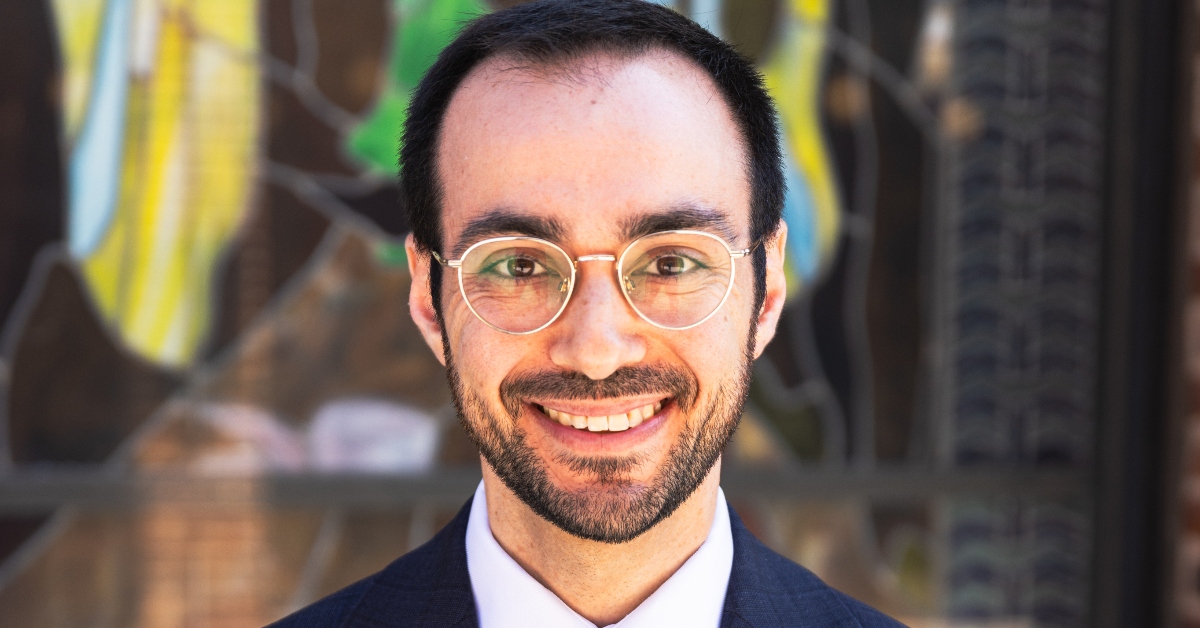
RABBI BENJY FORESTER
One of my favorite midrashim -textual interpretations-imagines the moment that the very first Shabbat ended, back in the Garden of Eden.
G-d had created the heavens and earth, culminating with humanity as the pinnacle of creation. On the seventh day, G-d of course rested. And then what?
The midrash (Pesachim 54b) reports as follows: “At the conclusion of Shabbat, the Holy Blessed One granted Adam HaRishon (the primordial human), knowledge ( de’ah ) similar to divine knowledge. And he (Adam) rubbed two rocks against each other, and the first fire emerged.”
Fire at the end of Shabbat? That sounds a lot like Havdalah ! We ignite a flame each week to transition from Shabbat-a day-long pause from work-to the rest of the week and its creative work.
The first Havdalah , in this telling, was a Promethean moment. It was humanity tapping into G-d’s creative power.
In six days, G-d created the world. On the seventh day, G-d rested. On the eighth day and henceforth, the reins of creation were handed over to humanity. Fire, tools, agriculture, architecture, industry, and technology; on that first motzei (Saturday evening) Shabbat, G-d imparted to Adam HaRishon the knowledge to create all of these.
Judaism has encountered many technologies over the millennia that have forced it to ask hard, but important, ethical and legal questions: writing, electricity, organ transplants, even space travel.
The advent and rapid growth-both in its usage and in its ability-of generative AI presents an invention that some have argued is as watershed as fire itself.
Some questions it poses are general ethical questions that Jewish wisdom can weigh in on: Who is responsible for damage that AI may cause? How should we think about intellectual property and environmental impact when using AI? Should we be concerned about our critical-thinking capability if we outsource essay writing and decision making to AI? What parameters should exist for relationships with an AI bot, and what paradigm applies: tutor, therapist, friend, partner?
Other questions are more Jewish-specific: Can an AI count in a minyan (a quorum of 10 Jewish adults required in certain religious obligations)? Can it perform a mitzvah on someone’s behalf? Can we consult it to discuss matters of faith and to help us adjudicate Jewish law and practice?
Needless to say, the “two Jews, three opinions” rule definitely applies to all of these cases, especially as AI continues to rapidly develop. You’ll find rabbis and individual Jews whose approach ranges from completely alarmist to completely embracing, and all sorts of lines of where “kosher” becomes not kosher when interfacing with AI. That said, let’s return to the Garden of Eden for some guidance.
When G-d created Adam HaRishon, G-d made that being b’tzelem Elohim , “in G-d’s image” (Genesis 1:27). This concept sits at the bedrock of all ethics from the Jewish perspective. Commentaries abound on what it means, many of them pointing to some unique human quality: speech, reason, judgment, creativity. What’s agreed upon is that tzelem Elohim differentiates humans from every other creation. As Rabbi Akiva teaches in Pirkei Avot (3:14), “Beloved is man, for he was created in the image of G-d.”
Generative AI poses as human, (even superhuman) in its abilities. It has quickly learned not only to cull information like an advanced Google search, but also to correspond with people like another human, and to create works of art. However, artificial intelligence, for all of its wonder and capabilities, is not endowed with G-d’s imprint. It is not created b’tzelem Elohim. This must always be remembered as we watch its rapid development, and consider how we might interact with it.
As Adam HaRishon probably realized way back on that first motzei Shabbat in Eden, fire has many advantages, like light, warmth, and heat. However, it can also destroy uncontrollably. When G-d handed him the rocks to create that spark, I imagine G-d whispering in his ear: “Be careful, or you might get burned.”
Rabbi Benjy Forester serves as a Rabbi at Anshe Emet Synagogue.
In this issue
-
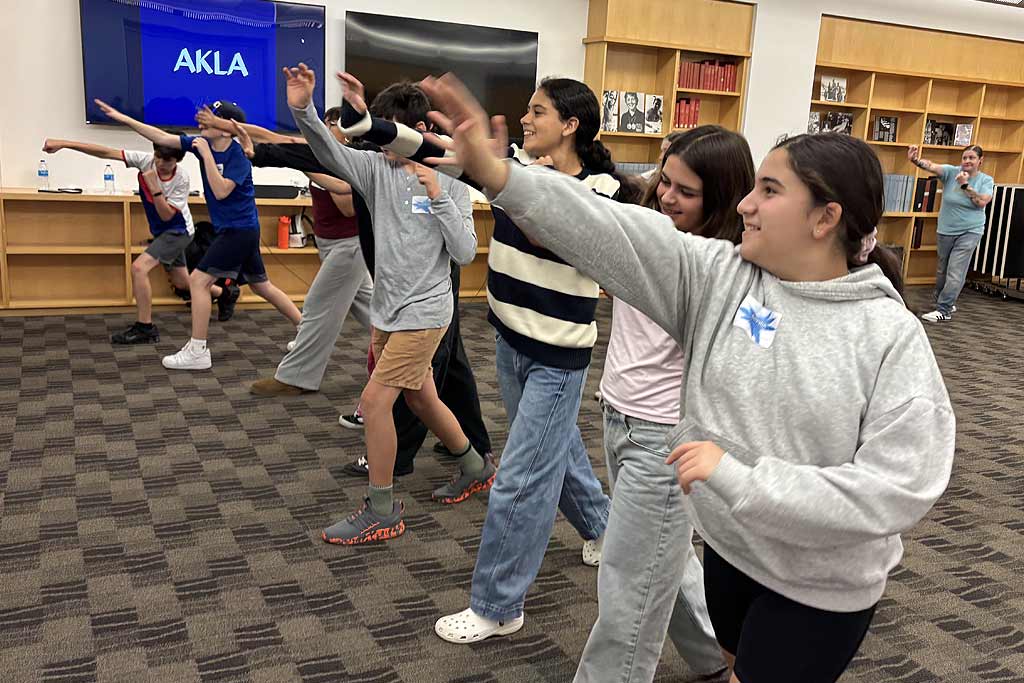
An ‘awesome’ new fellowship for teens
AKLA Chicago will be a free, five-week experiential experience for ages 12–14
Read more -
-