Delicious meals in your back pocket
Laura Frankel
There is comfort in knowing that you always can pull dinner out of your back pocket and your well stocked pantry.
COVID, supply shortages, and Midwestern winter all put a damper on life. Add on trying to make a hearty, satisfying supper–and it’s enough to make anyone call for take-out. But fret not–there is another way.
Stocking up a pantry with some basics and knowing how to use them is a critical life-skill.
The Pantry
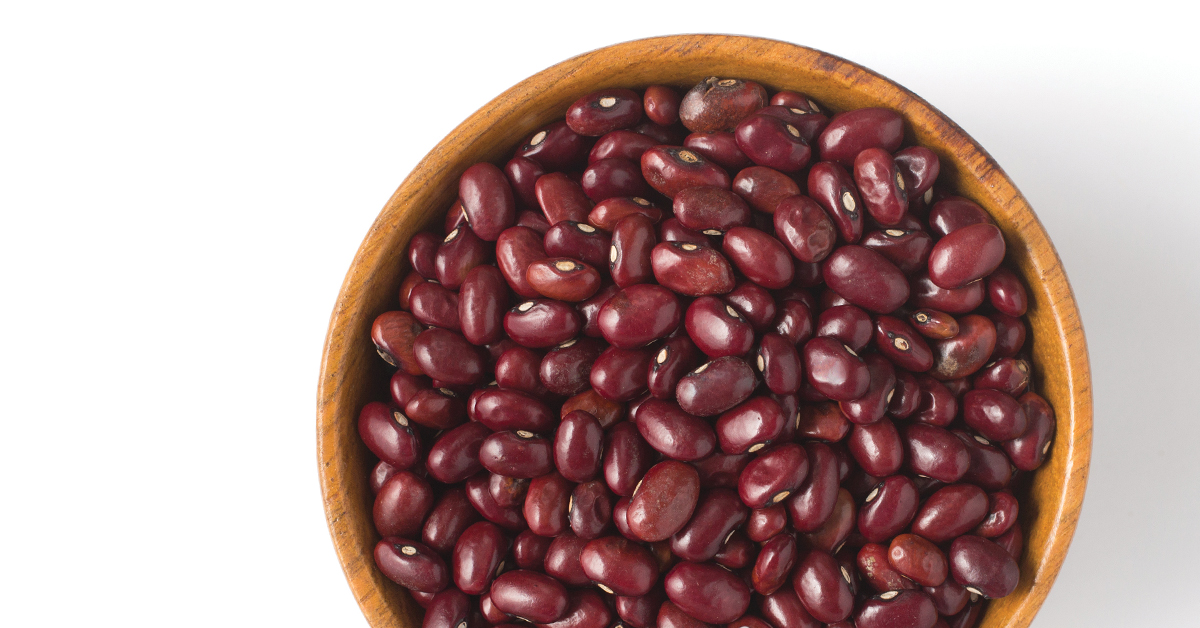
*I like to always have canned or dried beans and lentils on hand. Versatile, inexpensive, and whipped up into a soup or stew (think chili, pasta fagioli, and more) beans are a quick and protein-rich way to serve your family. Serving homemade food is a wonderful way to take the chill out of winter and nourish those you love.
*Jarred tomatoes and tomato puree are a must for any pantry. A blank slate of the best tomatoes is barely moments away from becoming a soup, a sauce for pasta, or polenta, an accent to a dish, a zesty shakshuka, a topper for focaccia, and more. I look for an Italian grown product that has no added ingredients, just tomatoes.
*Olives and pickles go from snacks to garnishes and are a staple in my pantry.
*Pasta, grains and rice: These super-hero ingredients are essential to every pantry.
The Freezer
Leftover bread and cheese rinds sound like something destined for the trash, but I offer you the Italian mindset of Cocina Povera or poor kitchen. Poor kitchen is a way of cooking that only uses what is on hand, in-season, and local. Adopting this mindset will allow you to see food in a new way. Leftover bread becomes crispy croutons. And there is flavor in cheese rinds–those little scrappy bits that have been grated down to the nubbins are a treasure trove of flavor buried in a soup or stew.
*Nuts and seeds: I purchase pounds of nuts and seeds, use what I need for a given recipe, and store the remainder in my freezer. From eating out of hand, baking, and adding to salads and vegetable dishes, nuts are a quick way to add texture, flavor, and protein to dishes. Storing nuts and seeds in the freezer keeps the natural oils from staling.
Stored vegetables
Keeping veggies on hand is a bit trickier. Vegetables lose nutrients quickly and need to be replenished every couple of days. But some items can be stored without loss or quality.
Onions, garlic, hard-shell squashes, potatoes, and many root vegetables like turnips, carrots, and parsnips can be stored–out of direct light–for several weeks. These hard-working veggies bring big flavor to long-cooking dishes. Dried mushrooms are my favorite way to add deep, rich flavors to autumnal and winter dishes.
Olive oil, salt, and pepper
*Olive oil: Other goodies to add to you well-stocked pantry are best quality extra virgin olive oil, salt, and pepper. This is important. Extra virgin olive oil is loaded with essential Omega-3 fatty acids, flavonoids, and is considered to be a heart healthy fat. Cold pressed extra virgin oil is minimally processed, not heat-treated, or deodorized. The healthiest diet in the world is the Mediterranean diet which is rich in extra virgin olive oil. Best quality olive oils are estate grown, like grapes. Try several brands and stock up on your favorites.
*Salt: I have at least six different types of sea salts and I love them all. I love my Italian fine sea salt for baking and my crunchy French salt for garnishing veggies and my sparkling Celtic salt for seasoning meats and steaks. When stocking a pantry, experimenting with salts from around the world is a flavorful way to have some fun and up your seasoning game.
*Pepper: Every recipe I write that has pepper as an ingredient always says freshly cracked black pepper ! Whole peppercorns have volatile oils in them that is pungent, flavorful, and delicious. Ground pepper in a can that has been sitting for even a few months barely has any aroma and a dusty flavor. Invest in a pepper grinder and some good peppercorns. Bonus points for toasting peppercorns before loading the grinder! Over medium heat, toast peppercorns in a dry pan until they are visibly darkened, smoky, and starting to pop. Allow to cool and load them into the pepper grinder. Savory and delicious flavors await.
Ribolitta-Tuscan Bread and Vegetable Soup
This recipe–adapted from Jewish Slow Cooker Recipes , Laura Frankel (John Wiley and Sons Publisher)–uses mostly pantry ingredients and is the perfect foil for a cold winter’s night dinner. Bon Appetit!
Serves 6+
3 tablespoons best quality extra-virgin olive oil, plus more for drizzling
3 medium cloves garlic, thinly sliced
1 medium red onion, diced
2 red peppers, diced
2 large leeks, white and light green parts only, diced
4 large carrots, peeled and diced
2 1/2 cups peeled, seeded, and diced butternut squash
1 turnip, peeled and diced
3 large celery stalks, diced
Water
1 ounce dried porcini mushrooms
1 bunch lacinato kale, stemmed, leaves roughly chopped
1 32-ounce can tomatoes and their juices
1 bouquet garni (herb bundle made from a few sprigs each of mixed herbs, such as parsley, oregano, thyme, rosemary, and bay leaf)
2 cups cooked beans, such as cannellini, navy, or cranberry, plus 1 cup bean-cooking liquid or water (if using canned beans)
1/4 pound fresh or stale rustic crusty bread, cut into 1-inch cubes
Sea salt and freshly ground black pepper
Grated Parmigiano Reggiano, for serving (optional)
- In a large Dutch oven or soup pot, heat olive oil over medium heat with garlic. Cook, stirring, until garlic is fragrant and very lightly golden. Add onion, peppers, leek, carrots, squash, turnip, and celery and cook, stirring, until slightly softened but not browned, about 5 minutes. Add enough water to slightly cover vegetables (about 6 cups) along with dried mushrooms, kale, canned tomatoes and their juices and bouquet garni and bring to a simmer over medium-high heat. Lower heat to maintain simmer and cook until vegetables are very tender, about 25 minutes.
- Stir in beans and their cooking liquid (or 1 cup water if using canned beans). Add bread, stir well, and simmer until bread is very soft and breaking down, about 15 minutes. Add water, 1/2 cup at a time, if soup becomes too thick and dry.
- Season with salt and pepper. The soup can be served at varying consistencies: more wet and broth-y, like a thick, chunky soup, or cooked down until thickened like a porridge. To serve at any consistency, drizzle with best quality extra virgin olive oil and top with freshly ground black pepper and grated cheese (optional).