‘Hatikvah’: ‘The Hope’ or ‘The Chutzpah’?
RABBI ALEX FREEDMAN
While Israel just celebrated 77 years of independence, some say its future looks cloudy. These are turbulent days for the Jewish State, with its ongoing war on the outside and deeply divided politics on the inside. What comforts me somewhat during this tumultuous time is a voice from Jewish history that reassures: We have been here before and prevailed.
After all, Israel’s national anthem is ” Hatikvah /The Hope.” But a close look at one line in particular suggests that a better English translation is “The Chutzpah .”
When we sing the words “עוֹד לֹא אָבְדָה תִּקְוָתֵנוּ / We have not lost our hope,” we hear an echo of the prophet Ezekiel’s vision of the Valley of Dry Bones. In this passage, Ezekiel sees a pile of human bones. G-d then asks the prophet if the bones can live again.
Ezekiel says, “And I was told: ‘O mortal, these bones are the whole House of Israel. They say, “‘Our bones are dried up, our hope is lost; we are doomed.”‘”
וַיֹּאמֶר אֵלַי בֶּן־אָדָם הָעֲצָמוֹת הָאֵלֶּה כׇּל־בֵּית יִשְׂרָאֵל הֵמָּה הִנֵּה אֹמְרִים יָבְשׁוּ עַצְמוֹתֵינוּ וְאָבְדָה תִקְוָתֵנוּ נִגְזַרְנוּ לָֽנוּ׃
In the prophet’s day, the Jewish people had given up hope of physical restoration and return to Israel.
But the anthem’s 19th century author, Naftali Herz Imber, had not. He inverted Scripture by changing the phrase to “our hope is not lost.” Even in the days before Herzl, he believed that Israel could be restored after 2,000 years, and would alter the trajectory of Jewish history upward. That’s not just hope, that’s chutzpah .
Imber was not an observant Jew, though he articulated a religious premise: Jews have faced unimaginably dire situations before, and with their own efforts and G-d’s help, triumphed.
Think of Passover; Nachshon had the chutzpah to wade into the standing water, and then G-d split the sea.
Then there’s Purim; Queen Esther’s chutzpah to risk her life by confronting the king saved her and her people.
As for Chanukah: Judah Maccabee had the chutzpah to lead a few Jewish warriors against many Syrian Greeks. And someone had the chutzpah to light the menorah with just a little oil.
We must be clear-eyed about the threats and dangers Israel faces today from different directions, for they are many and they are real. But we must also raise our heads high knowing that, as Israel turns 77, we have inherited the chutzpah of our ancestors and the founders of Israel.
They faced dark moments and still dreamed that things would be better one day-and then made it happen. Let’s continue the dream of bringing Israel to its full potential: as we say in the Prayer for Israel: “Bless the land with peace, and its inhabitants with lasting joy.” And then let’s make it happen with our own voices, our own hands, our own hopes… and our own chutzpah .
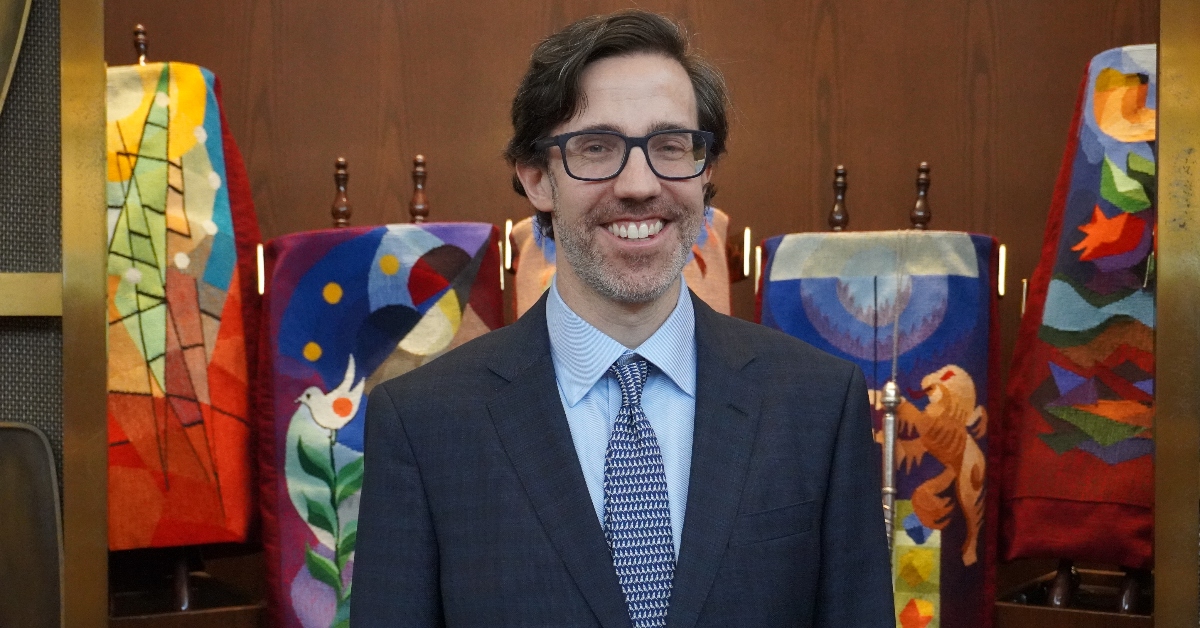
Rabbi Alex Freedman is Associate Rabbi at North Suburban Synagogue Beth El in Highland Park.
In this issue
-
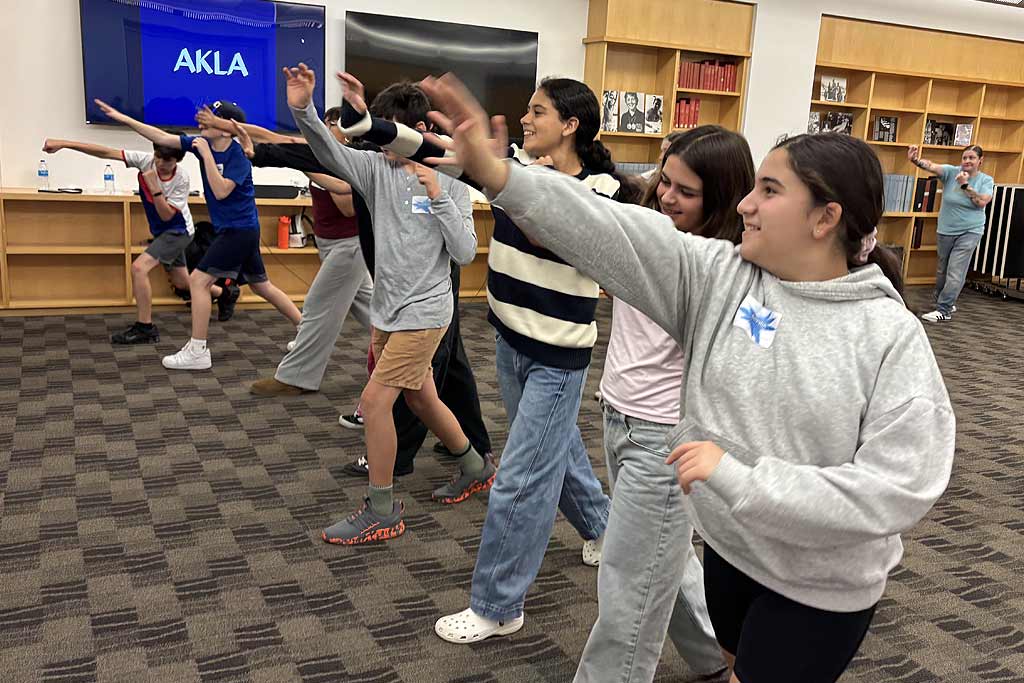
An ‘awesome’ new fellowship for teens
AKLA Chicago will be a free, five-week experiential experience for ages 12–14
Read more -
-