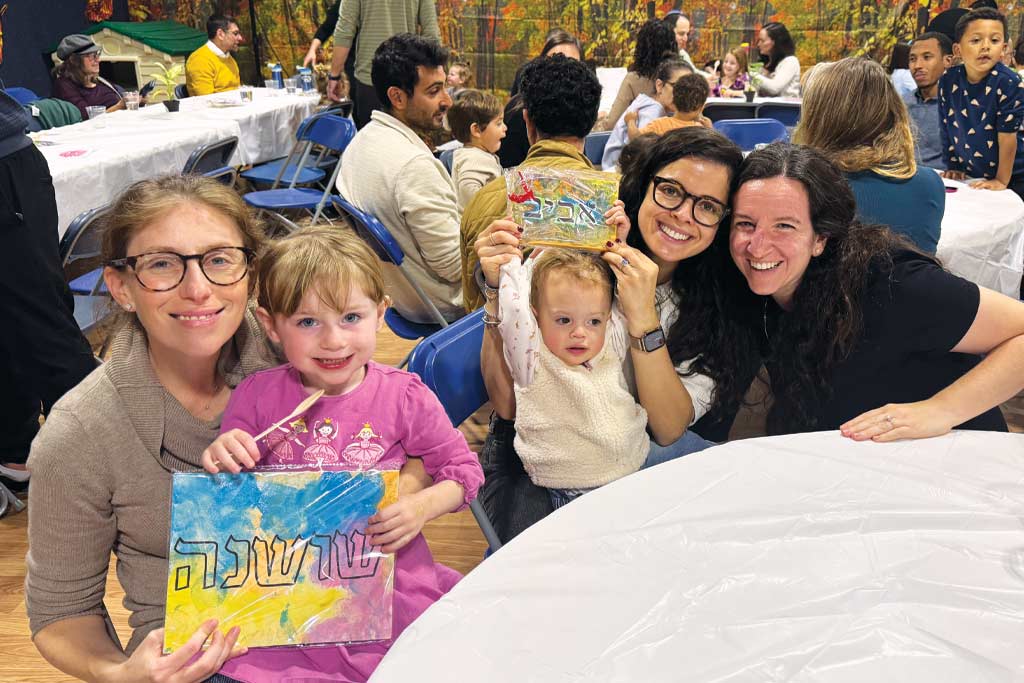
Jonathan Chapman opening the Torah with children as part of the Ark Adventures program at Congregation Beth Shalom. (Photo Credit: Michael Balter)
No food is more closely associated with Rosh Hashanah than honey. Each year, Jewish families gather around holiday tables to dip crisp apple slices into golden sweetness while offering the familiar blessing for a “shanah tovah u’metukah”—a good and sweet year. It’s a ritual so ingrained in Jewish life that many of us don’t think twice about the honey itself.
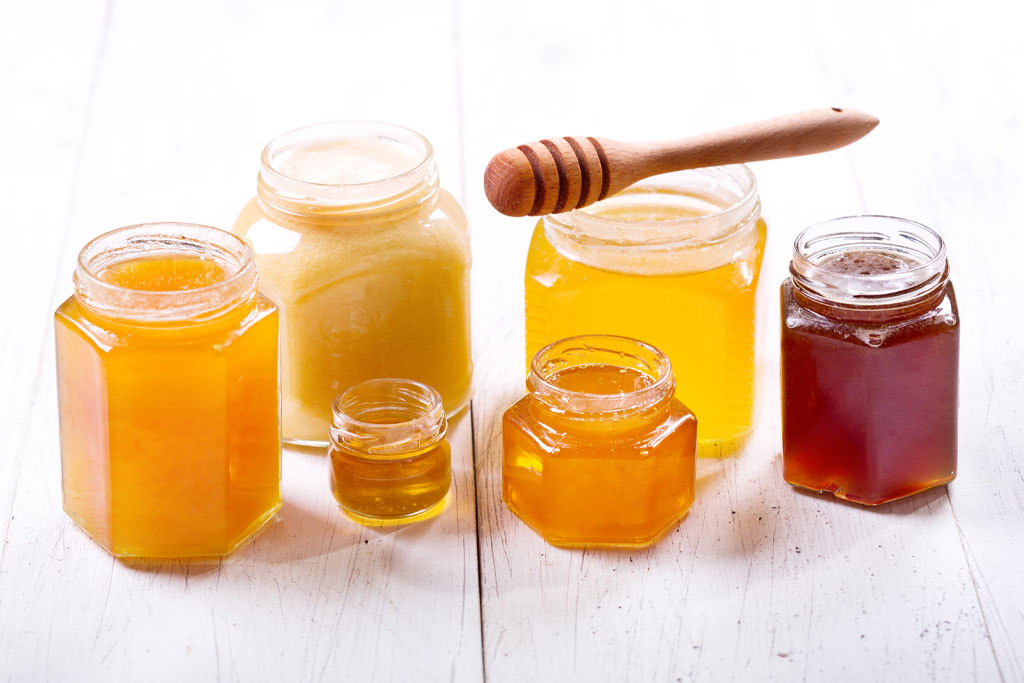
We reach for the same familiar bottle year after year, focused on the symbolism rather than the flavor. But just as no two years are alike, no two honeys are same. Their colors, aromas, and tastes reflect the diverse flowers visited by bees, creating an astonishing variety that can inspire a fresh way of thinking about the year ahead. Each type of honey can represent a different hope for the months to come.
Clover
The honey most of us know best is clover honey. Light, delicate, and familiar, it reminds us that not every blessing needs to be extraordinary. Sometimes the sweetest years are built on everyday joys: unhurried family dinners, healthy loved ones, meaningful friendships, and quiet moments. In a world that often encourages us to chase the spectacular, clover honey celebrates the beauty of ordinary sweetness.
Orange Blossom
Orange blossom honey carries subtle citrus notes, and the fragrance of blooming flowers. Its bright, floral character evokes optimism and possibility. Like the first blossoms that bloom after a harsh winter, it reminds us that every meaningful accomplishment begins as something small. At the start of a new year, orange blossom honey encourages us to nurture the seeds of what we hope will grow.
Wildflower
Wildflower honey is the most variable. No two jars are ever exactly alike, because each harvest depends on whatever flowers happen to bloom that season. It offers a reminder that while we make plans for the coming year, we cannot predict every twist and turn. Yet some of life’s greatest joys come from the unexpected opportunities, relationships, and discoveries we never saw coming. You know the saying, “We plan and G-d laughs!” Wildflower honey invites us to welcome surprise with openness rather than fear.
Buckwheat
Then there is buckwheat honey, dark and rich. Its deep flavor isn’t for everyone, but that’s part of its lesson. Some years challenge us more than others. We experience loss, uncertainty, disappointment, or change we didn’t ask for. Yet those difficulties often leave us stronger, wiser, and more compassionate. Like buckwheat honey, the richest experiences aren’t always the sweetest at first taste.
Local Raw
Finally, there is local raw honey, harvested close to home by neighborhood beekeepers. Every jar captures something unique about the landscape where it was made. It serves as a reminder to stay rooted in our own communities, to support one another, and to recognize the sweetness that already exists close by. We often search far and wide for happiness, when many of life’s greatest blessings are found around our own tables.
The Torah famously describes Israel as “a land flowing with milk and honey.” Whether that “honey” originally referred to bee honey or date syrup, the message remains the same: sweetness is both a blessing and an aspiration.
This year, consider setting out several varieties of honey alongside the traditional apples and round challah. Invite guests to taste each one and share which quality they hope will define their new year: gratitude for everyday blessings, courage to embrace change, patience through uncertainty, resilience in hardship, or appreciation for the community around them.
Perhaps that’s the real lesson of Rosh Hashanah. “Sweet” isn’t one flavor, and a “good” year isn’t one experience. It is a collection of moments that, together, create a life worth celebrating.
As we dip our apples this Rosh Hashanah, we aren’t simply wishing for sweetness. We are wishing for a year rich enough to contain every kind of it.
Honey cake
This treasured honey cake recipe comes from the author’s beloved Hebrew high school teacher, who left a lasting impression long after her graduation.
3 cups flour
4 eggs
1 cup sugar
1 cup honey
1 cup cooking oil
2 teaspoons baking powder
1 teaspoon baking soda
1/2 teaspoon salt
3/4 cup strong brewed coffee, cooled
1/2 teaspoon nutmeg
1/2 teaspoon allspice
1/2 teaspoon cinnamon
1 cup ground nuts (omit for Rosh Hashanah)
Juice and zest of 1/2 lemon and 1/2 orange
- Preheat oven to 350°F.
- Mix oil and honey well.
- Add eggs and sugar.
- Add remaining ingredients, alternating dry and liquid ingredients, and mixing well between additions.
- Pour batter in baking dish.
- Bake for one hour. Enjoy!
Marissa Wojcik is the founder of the Jewish baking blog North Shore to South Bay (northshoretosouthbay.com), in which she shares her modern and updated versions of beloved Jewish classics. She is also the author of Modern Jewish Breads, available on Amazon.