Illinois Holocaust Museum’s new galleries explore Holocaust in the Soviet Union
SIERRA WOLFF
Of the approximately six million Jews murdered during the Holocaust, the story of those Jews who experienced Nazi genocide in the Soviet Union are lesser-known or even told. However, more than 2.5 million of the Holocaust’s victims were Soviet Jews. Of the living Holocaust survivors in the Chicago area, 80% are from the Former Soviet Union, making it even more critical to tell their stories.
The opening of the new galleries in late September included a commemorative program on the 80th anniversary of the first Babi Yar massacre. A ravine in Kyiv, Ukraine, Babi Yar was the site of massacres carried out by Nazi forces during the campaign against the Soviet Union during the war, killing almost 34,000 Jews.
The new galleries include:
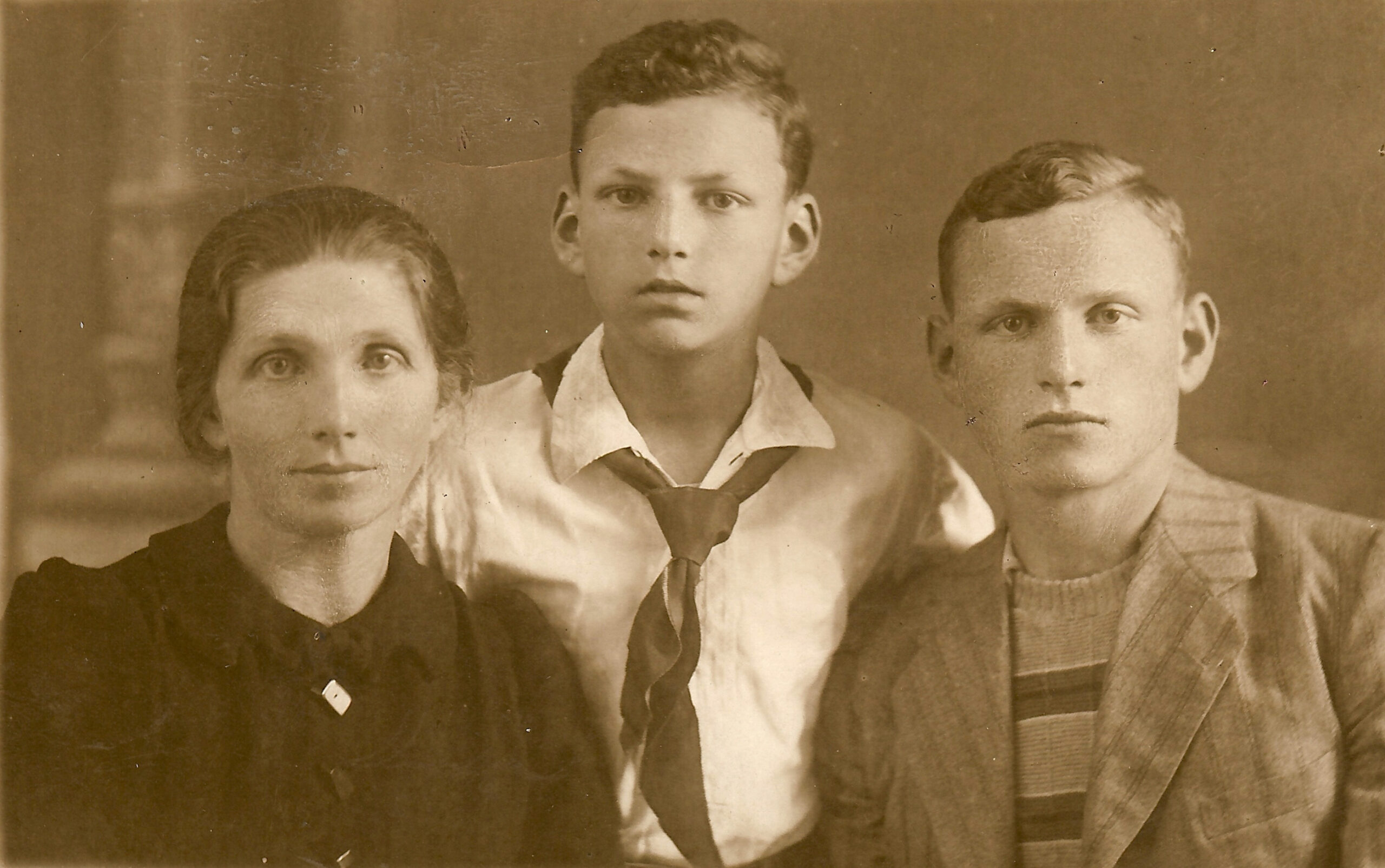
- Pre-war Jewish life as shown through hundreds of scrolling, large-scale photographs of individuals and families prior to the arrival of the Nazis.
- Key moments leading to Operation Barbarossa , one of the largest military invasions in modern history, which set the stage for the mass murder of Jews in the Soviet Union
- Stories connected to 10 local Chicago survivors and killing sites in Belarus, Ukraine, Lithuania, and Moldova
- Objects and photographs including a letter written by a local survivor who served in the Red Army which individualizes the larger story of the Einsatzgruppen (mobile killing units) by showing when and how his town’s Jewish community was destroyed.
“In contemplating the enormity of the Holocaust and the millions murdered, the history of the Holocaust in the Soviet Union has been woefully neglected,” said Kelley Szany, Vice President of Education and Exhibitions at the Museum. “There is no family in the Russian-speaking Jewish community in Chicagoland that does not know firsthand about these traumas.”
Additionally, the galleries share the story of Soviet Jewry after the Holocaust, the “Refuseniks” who often faced harsh treatment for trying to emigrate, and the activism and international support that led to an easing of emigration restrictions beginning in 1988. This expansion focuses on Chicago’s instrumental role in the fight of the Refuseniks and their resettlement in the metro area.
“It is our obligation to provide future generations with an understanding of the breadth of the Holocaust,” said Susan Abrams, the Museum’s CEO. “Unfortunately, the stories of Jews in the Soviet Union at the hands of the Nazis and their collaborators have not been widely shared. This new, more complete narrative provides key pieces of world history that have not been captured by traditional narratives and honors the many individuals who were lost but are not forgotten.”
For more information about the expansion, visit ilholocaustmuseum.org or call 847-967-4800.
Sierra Wolff is Communications Associate for the Illinois Holocaust Museum & Education Center.
In this issue
-
An ‘awesome’ new fellowship for teens
AKLA Chicago will be a free, five-week experiential experience for ages 12–14
Read more -
-