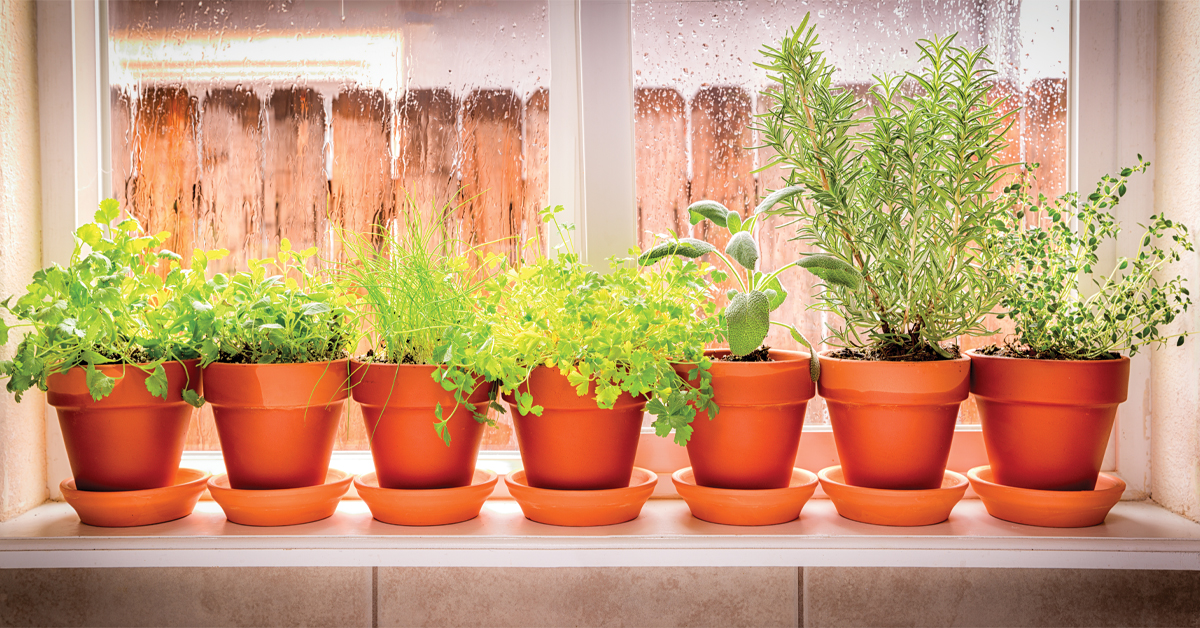
Indoor gardens are growing in popularity
Laura Frankel
Good News! A long Midwestern winter doesn’t mean the end of growing and harvesting herbs, veggies, and greens. With the right tools and methods, you can be harvesting delicious, healthy homegrown food in no time… indoors! While growing vegetables in containers does have its challenges, it is possible to find great success.
Indoor gardens have become very popular. Over the past two years, the hardships and food insecurity brought on by the coronavirus pandemic sprouted a rise in so-called “victory gardens,” referencing the effort to contribute food during the World Wars, even for those with limited outdoor space. Whether due to financial difficulties, strict lockdown orders across the country, or just to grow their own produce as a pastime, more than a quarter of American consumers say they have planted a food garden because of the pandemic. And for those who don’t have the luxury of a sunny backyard space, an indoor garden is just as likely to flourish as an outdoor one.
There are many reasons to grow an indoor garden:
*You’re in charge of what you grow, what you eat, and what the plants are treated with.
*Homegrown veggies and herbs are always at their freshest. Talk about “farm” to table!
*You control the growing conditions, and you can just snip or harvest what you need.
*Homegrown food is aesthetically pleasing, especially as winter drags on, and we all need a little lift from greenery.
*Teaching yourself and your children how to grow food is a valuable lesson, particularly in a world of supply chain challenges.
Indoor gardening has many options. You can go low-tech with window boxes and planters, or high-tech with growing systems that come complete with built-in grow lights, irrigation, and fertilization. I like to start small and build. Once you have some green thumb success, you can investigate the many popular indoor growing systems. These systems are mostly hydroponic and come with irrigation and grow lights, making indoor gardening effortless.
Choosing the right foods to grow is key. Leafy greens are easy to grow and perfect for beginners. A small, shallow dish can yield sprouted seedlings in just two days and delicious full-flavored garnishes or salads in as little as two weeks. Parsley is one of my favorite herbs to grow. There is nothing more frustrating than purchasing parsley at the store and trying to use it a few days later only to find the leaves are slimy and unusable. Homegrown parsley is ready to be harvested in about two weeks as “microgreens,” t iny fresh sprouts that are among the most effortless foods to grow indoors.
Typically, microgreens are a mix of seeds from various greens and herbs, such as beets, radishes, kale, Swiss chard, and basil. Because these greens will be harvested as seedlings, you don’t need much soil; a shallow tray about two inches deep typically works well. Fill it with moist soil, and scatter your seeds, barely covering them with a top layer of soil (just press gently so that the seeds make good contact with the damp soil and won’t dry out). Spray to keep the soil moist; you should see germination within a few days. Start harvesting when seedlings have developed two sets of true leaves. Use scissors to snip them off at the soil level, and the plants will grow again, with another harvest is just a few weeks away.
Got kitchen scraps? Save those scallions, romaine lettuce bottoms, carrot tops, beet tops, garlic, and more. For these veggies, you aren’t re-growing the root, but are instead growing the leafy tops. Beet and carrot greens are vitamin powerhouses with a wide range of uses. Tossing them in a salad, smoothie, sauté pan, or pesto recipe are just some ways of enjoying a nutrient boost. To regrow root vegetable greens, salvage the tops and place in a show tray of water, but don’t submerge. Within a few days you will notice new green shoots appearing. You can harvest when the greens are the size you want. Keep the plant growing and the greens will grow again. In the spring, you can move your plant outdoors and grow the bulbs as well.
Sprouted garlic is a nuisance, as the germinated garlic is bitter. But make garlicky pasta out of that budding clove, once grown, and suddenly you have a softly scented garlic-pasta dish that is simple, quick, and needs only a few ingredients.
Garlicky Carrot Top Pesto
This recipe is a perfect way to show off your homegrown greens. Perfect for spring dishes and delicious for Passover meals, carrot tops are the gorgeous green you didn’t know you could–and should–eat.
2 cups fresh carrot tops
½ cup cilantro
½ cup parsley
2 tablespoons chopped fresh oregano leaves
1 jalapeno, seeds removed
4 garlic cloves
3 tablespoons red wine vinegar
3 tablespoons fresh lemon juice
2 tablespoons honey
2 teaspoons sea salt
1 teaspoon freshly cracked black pepper
½ cup best quality extra virgin olive oil
1. Pulse carrot tops, cilantro, parsley, oregano, jalapeno, garlic, vinegar, lemon juice, honey, salt, pepper, and olive oil in a blender or food processor until a thick paste forms. Adjust seasoning with salt and pepper.
2. Serve pesto with roasted veggies, steak, chicken, fish, and egg dishes.
3. Store pesto, lightly covered with a glug of olive oil over the surface to prevent oxidization, in the fridge for up to 1 week or freeze for up to 2 months.
Garlic Green Pasta
Window box garlic yields ready-to-snip-and-eat garlic greens in a few weeks. Take sprouted cloves and plant in shallow planter. Similar to chives but with a soft garlic flavor, garlic greens might be your new favorite herb. This pasta is quick and easy to pull together. With only a few ingredients, you will have a lemony, garlicky pasta on the table in minutes.
1 pound favorite pasta shape
Zest of 1 lemon
½ cup shredded parmesan cheese (optional)
3 tablespoons best quality extra virgin olive oil
¼ cup snipped garlic greens
¼ cup flat leaf parsley
1 teaspoon sea salt
½ teaspoon freshly cracked black pepper
- Cook pasta to al dente (about 6 minutes). Reserve 1 cup of starchy pasta water before draining.
- In a large sauté pan, add pasta, reserved pasta water, lemon zest, parmesan cheese (if using), and olive oil. Stir over medium heat until most of the water has been absorbed and the pasta is cooked through. Season with salt and pepper. Toss with garlic greens and parsley and serve.
Laura Frankel is a kosher chef and cookbook author. Previously, she was the Culinary Director for Jamie Geller’s Test Kitchen and Kosher Network International. She is the founder of Shallots Restaurant and served as Executive Chef for Wolfgang Puck.
In this issue
-

New Jewish high school to open its doors in Chicago in 2027
‘The Davis Difference’ : New Jewish high school to open its doors in Chicago in 2027
Read more -

An ‘awesome’ new fellowship for teens
AKLA Chicago will be a free, five-week experiential experience for ages 12–14
Read more -