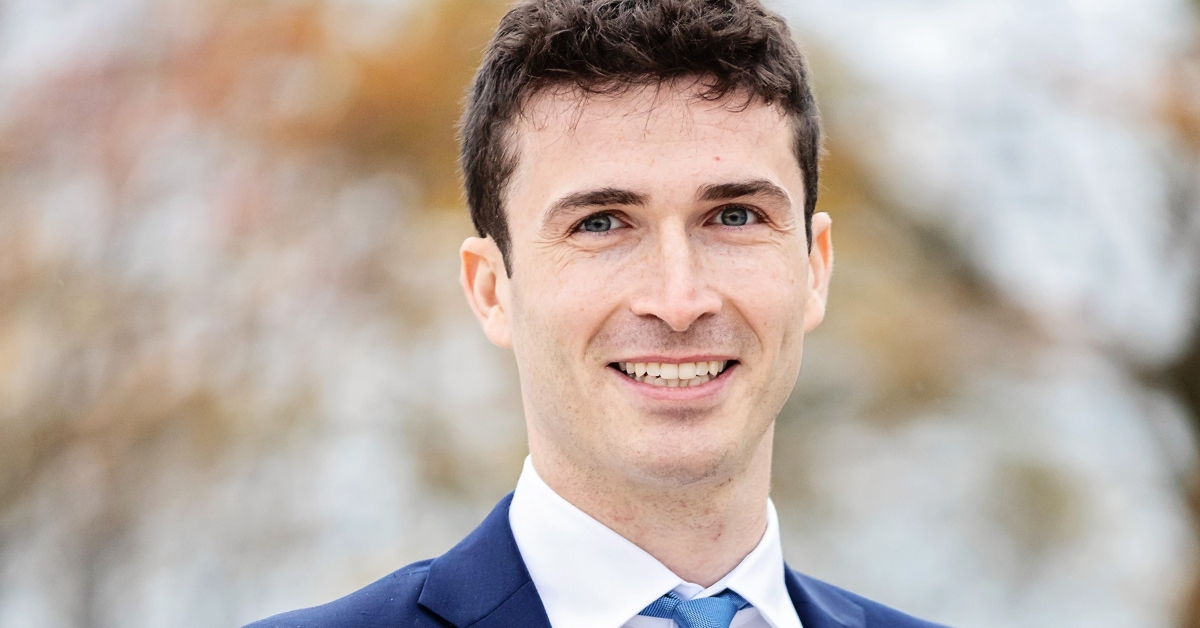
Journeys— outward and inward
RABBI JACOB LEIZMAN
Have you ever visited a Jewish museum in a city where there was once a thriving Jewish population, but now there isn’t one anymore? I remember seeing a tallit behind a glass case, along with a note that described how Jews “would” wear this ritual prayer garment-as if we had stopped at some point!
One aspect of Jewish travel is confronting history, but it is also so much more. Every time we visit a place of Jewish relevance, we nourish our lives, and the heritage of our people, by placing ourselves within the continuously unfolding Jewish story.
There is also a tremendous legacy of Jewish travel. We might recall G-d telling Abraham: ” Lech lecha , go forth unto this land that I will show you” (Genesis 12:1). Many interpret the use of the Hebrew word “to go,” “lech,” to suggest that Abraham is both journeying outward to the Land of Canaan, and the similar word “lecha,” which also means “to you,” implying a journey inward, to fulfill his sacred purpose.
We might also recall Binyamin Metudela, who visited some 300 cities on an eight-year journey in the 12th Century, from the Iberian Peninsula to Persia and back. His stops included the Jewish communities along his journey-to Barcelona, Marseilles, Rome, Constantinople, Jerusalem, Damascus, Baghdad, and just about everywhere in between. And his notes inform much of what we know about the rich diversity of medieval Judaism.
Jewish travel today encapsulates both Abraham and Metudela’s journeys. Like Abraham, we develop our inner lives every time we journey outward to a destination. And like Binyamin Metudela, every visit to a Jewish community, whether active or preserved, puts us in conversation with the incredible tapestry of Jewish life around the world, and allows us to appreciate the vastness and beauty of our traditions.
The value of Jewish travel goes beyond journeys of individual enrichment. Historical sites, memorials, and active communities spark questions of Jewish peoplehood, and how we continue writing our collective story.
Just some such questions: In Jerusalem, what do the street names tell us about how Israeli society constructs Jewish history? In Vilnius, what does the successful fight against the city government building over a Jewish cemetery suggest about the preservation of Jewish memory in the public sphere? In Berlin, what does a growing Jewish and Israeli population mean for confronting historical trauma? In Krakow, what is the impact of a Klezmer café in a city where the Jewish population was decimated in the 20th century? In Toledo, how does the Spanish Jewish legacy radiate outward from what was once the “Jerusalem of Spain”?
Jewish travel is a meaningful experience on both of these levels. On an individual level, we fulfill the call to “lech lecha,” to journey outwards and inwards, as we place ourselves in the Jewish story. We broaden our Jewish horizons every time we encounter the tremendous diversity of Jewish life around the country, and the world.
Then, on a level of Jewish peoplehood, each visit continues the Jewish story by standing where certain chapters were, are, or will be written. As individual Jews and as the Jewish people, travel fulfills both our pursuit of meaning and our yearning for belonging to something greater than ourselves.
As you consider your next Jewish journey, I’ll leave you with the opening to our prayer for travel, Tefilat Haderech : “May it be G-d’s will that You lead us and our footsteps toward peace, and that You bring us to our desired destination for life, happiness, and wholeness.” Amen!
Want to read more about Jewish travel? Check out the work of Jeremy Leigh, M.A., a beloved Jerusalem-based Jewish and Israeli history teacher who masterfully facilitates questions of peoplehood and has written extensively on the field of Jewish educational travel.
Rabbi Jacob Leizman is Assistant Rabbi at North Shore Congregation Israel in Glencoe.
In this issue
-
This Passover, four more questions
The youngest guests at our seders will likely ask the four traditional questions, but here are four other questions to chew on over matzah this holiday.
Read more -
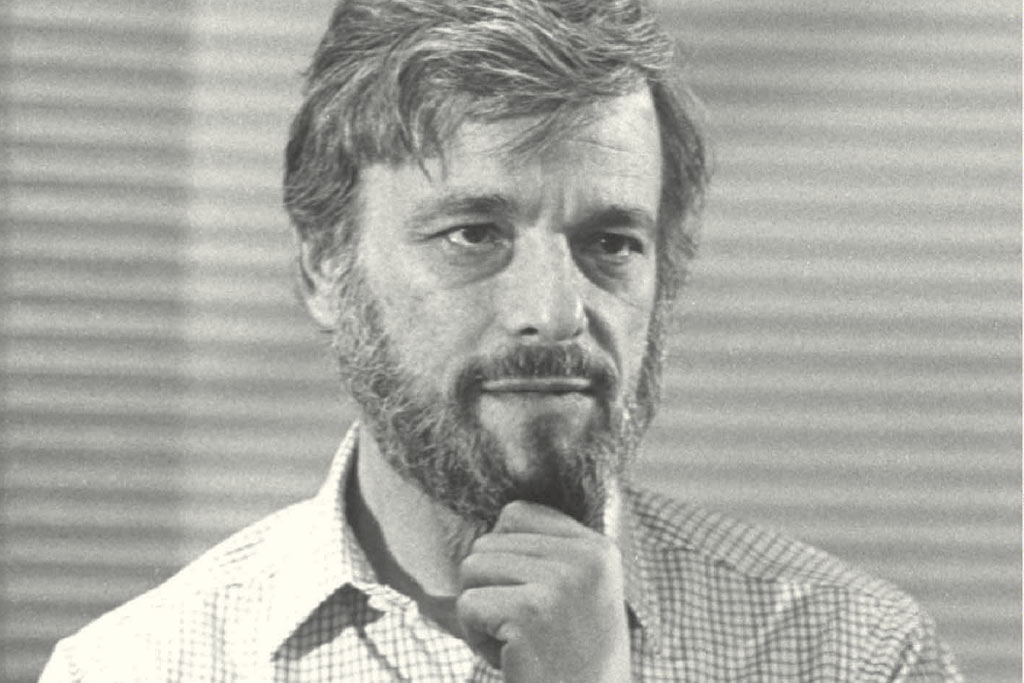
New Stephen Sondheim biography details the towering figure
‘Walking encyclopedia of musical theater’: New Stephen Sondheim biography details the towering figure
Read more -
Celebrating spring and a crop of new productions
A celebration of Passover, warmer weather, and a crop of new productions
Read more