JUF’s Israel Education Center turns 20
MICHELLE COHEN
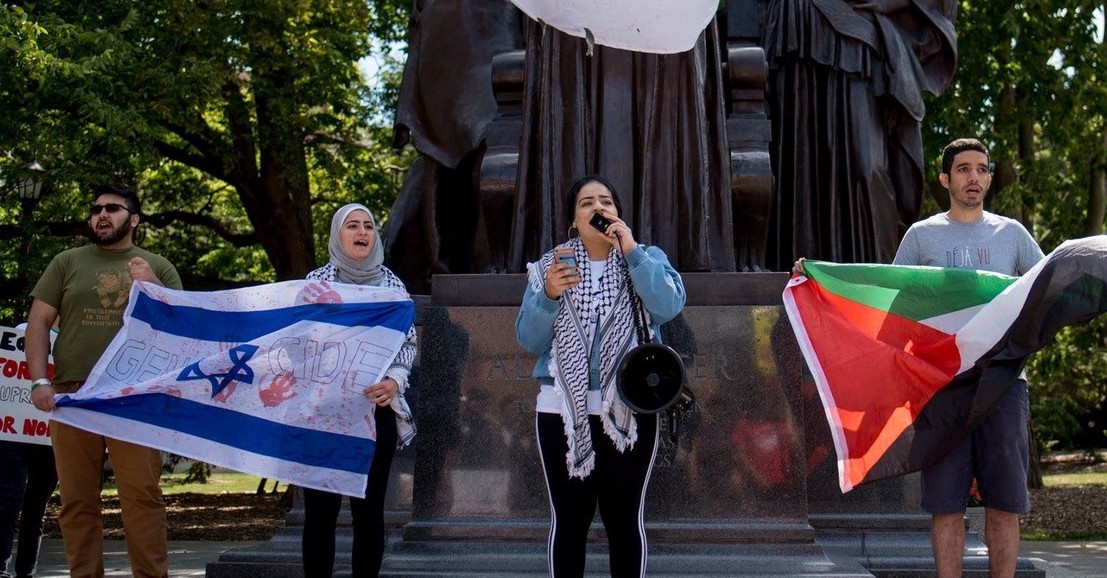
A college student encounters an “apartheid wall” while walking on campus. A young adult hears from a new friend, “I’m okay with Jews, as long as you don’t like Israel.” A high schooler is confronted with a swastika on school grounds. Administrators call antisemitism a political problem-not an issue of bias.
In these sadly common situations and thousands more like them, JUF’s Israel Education Center has been supporting students for two decades. This year, the center celebrates its 20th anniversary-and 20 years of impact on campus.
Back in 2002, IEC was founded to inspire Jewish college students to build a strong commitment to Israel through education. Then, five years later, the Boycott, Divestment, and Sanctions (BDS) movement hit college campuses, including a student-led boycott of Sabra hummus at DePaul University. The vitriol unfurled against Jewish students precipitated the need to ease the “pressure on Jewish students on campus related to Israel,” said Emily White, IEC Director.
It was amidst that hostile campus environment that IEC broadened its mission to include advocacy-bolstering Jewish college students with the tools to counter anti-Jewish and anti-Israel sentiment on campus. “Our work changed from being primarily educational and experiential, to developing expertise in how political trends unfold on campus, identifying and understanding antisemitic tropes, and how to handle the BDS movement,” said White.
Today, the center–which has supported more than 15,000 students on Illinois campuses through the years-is seen as a national leader and innovative lab for campus best practices to address antisemitism, anti-Zionism, and Israel engagement.
Education, of course, still plays a key role in cultivating knowledgeable Jewish student leaders. The center offers opportunities to teach students about “Israel’s history, culture, and political system, and [for them to] gain a real understanding of what Israel actually is,” said Emily Briskman, JUF’s Associate Vice President of Campus Affairs and the IEC’s director from 2011-2021.
While education initially came in the form of events, speakers, and trips, it has evolved into more relational experiences where students can learn how to critically think about hot topics on campus. “There’s no one-size-fits-all approach to a campus conflict or crisis,” White said.
Along with tailoring its resources to each campus’s unique culture and student population, IEC staff prioritize the mental health of college students. “Having to conceal any part of your identity while it’s in formation is detrimental to your mental health, and that’s often what we’re seeing with students today,” said Briskman. “Students are hiding, whispering, and not sharing who they are because they’re seeing what’s happening on college campuses here in Illinois and globally.”
Thanks to JUF’s institutional support, IEC staff are able to plan for the future. “We’re not purely reactive,” said White. “We believe in giving students the tools to become leaders on campus, to speak clearly, to be effective in their efforts to make change, and to improve the campus climate for Jews.”
Looking ahead, IEC staff plan to offer more educational programs, fellowships, and leadership engagement to organizations within the Jewish community; form more partnerships outside the Jewish world; grow existing programs like Onward Israel and Leadership Israel (formerly Write on For Israel); and continue to follow trends and develop educational resources.
“IEC was ahead of its time. Now, 20 years into the project, it remains on the cutting edge,” said Briskman. “Its work has ensured thousands of college students and young adults can be their whole selves, wherever they are-and not have to hide their connection with Israel or downplay their Jewish identity.”
In this issue
-

This Passover, four more questions
The youngest guests at our seders will likely ask the four traditional questions, but here are four other questions to chew on over matzah this holiday.
Read more -
New Stephen Sondheim biography details the towering figure
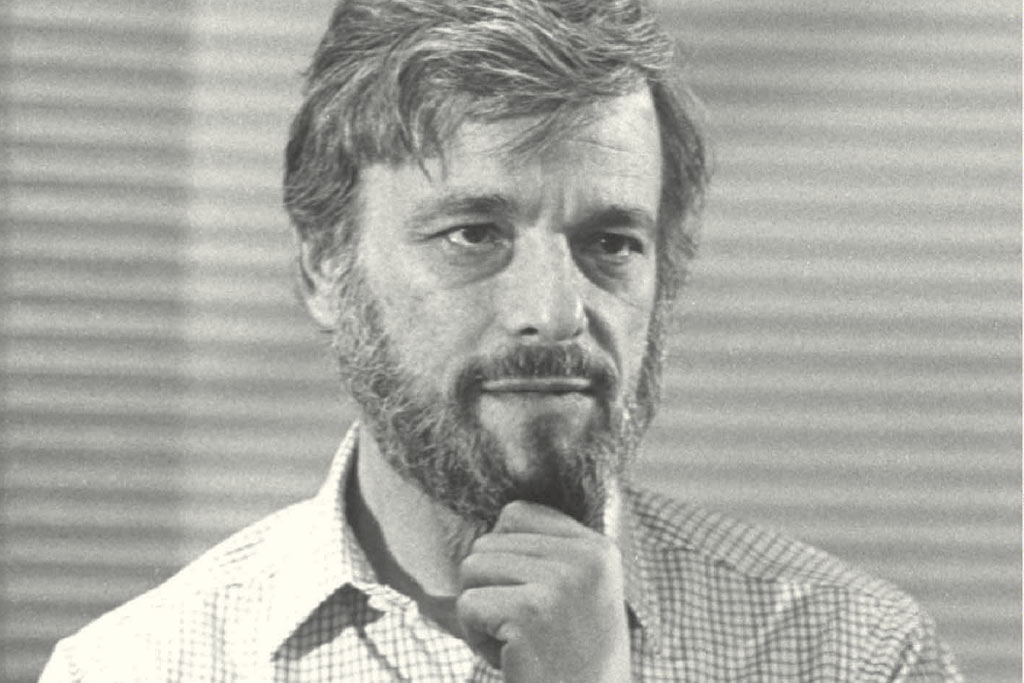
‘Walking encyclopedia of musical theater’: New Stephen Sondheim biography details the towering figure
Read more -
Celebrating spring and a crop of new productions
A celebration of Passover, warmer weather, and a crop of new productions
Read more