Making an impact
JEWISH CHICAGO STAFF
Since October 7, JUF’s Israel Emergency Fund has mobilized over $55.4 million in additional support for the Israeli people, support that is above and beyond the tens of millions of dollars sent to Israel for human services every year through the JUF Annual Campaign.
In the first phase of Operation Swords of Iron, JUF helped our Israeli partners meet immediate needs: providing housing, food and clothing for tens of thousands of people who were displaced; delivering financial assistance to thousands of families whose loved ones were killed, injured or kidnapped, sending vital aid to hundreds of first responders; and ensuring that Holocaust survivors, people with disabilities and other vulnerable populations received the added support they needed.
As the war has continued, focus has shifted to meeting Israel’s longer-term needs, though it is understood that circumstances may require pivoting back to emergency response. Current priorities include funding trauma relief and psychological support, initiatives to boost economic resilience and employment, plus multi-faceted human services for the survivors of Kibbutz Nir Oz.
A JUF committee of lay leaders assesses funding proposals, which are vetted by JUF’s knowledgeable Israel Office staff, and meets regularly to allocate funds. In addition to leveraging long-standing relationships to identify which organizations can best provide needed services, JUF confers with Jewish Federations of North America (JFNA) and other Federations to coordinate efforts and maximize impact.
To date, $39.9 million of Israel Emergency Fund dollars have been allocated in the following areas:
• Multi-faceted support for residents of Kibbutz Nir Oz: $1 million
• Trauma relief and emotional support: $8.94 million
• Employment and economic resilience: $4.3 million
• Housing, food, and physical needs: $3.97 million
• Emergency medical and first responders: $5.52 million
• Support for victims of terror and their families: $3.56 million
• Special populations (such as Holocaust survivors and minorities): $2.68 million
• Other emergency needs and local efforts: $6.34 million
• JFNA Collective Projects: $3.13 million
• Ongoing emergency assistance: $475,000
Spotlighted below are some of the life-changing organizations that the Israel Emergency Fund has supported since the war’s start.
***
Kibbutz Nir Oz
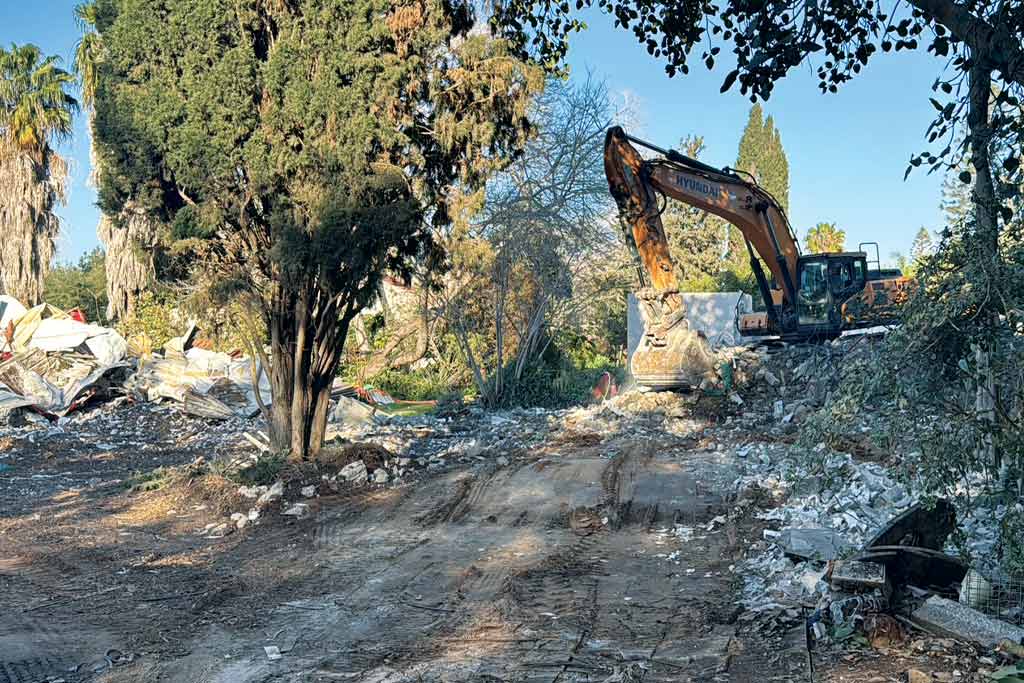
On October 7, Hamas terrorists and Gazan civilians decimated the town of Kibbutz Nir Oz, located in Israel’s Negev Desert. Of the 400 residents of the community, a full quarter were lost that day, with 38 people murdered and 72 taken hostage; nearly one-third of all the hostages taken into Gaza.
Some 80% of the community’s residents have relocated to Kiryat Gat, at the heart of JUF’s Partnership Together region. As Nir Oz rebuilds, JUF has partnered with the community. After an initial grant of $1 million this year, JUF has committed to allocate a similar grant annually for the next four years to fund wide-ranging human services to help residents heal and rebuild.
JUF has also supported the rebuilding and expansion of the kibbutz’s Nir Ma’on Dairy Farm. In partnership with Kibbutz Nir Am, the Nir Oz dairy farm is a centerpiece of the recovery efforts in the ravaged community. “Knowing that JUF has our back provides us with peace of mind and allows us to plan for the future in the best possible way,” said Maya Argov, Nir Oz Community Manager.
Trauma relief and emotional support: Hasharon Sexual Assault Crisis Center
Hasharon Sexual Assault Crisis Center-part of a national network of rape crisis centers- provides practical and emotional support to survivors of sexual violence along with public education programs to grow awareness and prevent sexual violence. The crisis center, located on the northern coast of the Mediterranean Sea, also delivers public education programs to grow awareness about and prevent sexual violence.
The center’s Kolmila program offers a national phone and chat-based hotline, providing free and confidential trauma-informed support by trained rape crisis volunteer counselors. Between October 7, 2023, and July 31, 2024, more than 13,600 calls were made to the phone hotline and the chat-based hotline; its WhatsApp line fielded an additional 3,500 calls.
a.“This period has exposed us all to the horrors and severe sexual assaults used as weapons of war,” said Tzipi, one of the center’s Kolima volunteers.
Along with serving survivors, the center offers its 90 Kolmila volunteers-who have been exposed to repeated “secondary trauma”-a year of resiliency building, guided by a group therapist. “I am proud to be part of a center that sees us, the volunteers, [in addition] to the clients, and takes care of our mental health, too,” Tzipi added. This group is an anchor for me.”
Employment and economic resilience: Fresh Start – Integrative Economic Reconstruction for Small Businesses
A welder from Sderot evacuated to Jerusalem, making it impossible for him to run his business. A restaurant owner whose family members were taken hostage on October 7. A private kindergarten owner from Ashdod unable to operate their school due to lack of sufficient shelter in the kindergarten.
Fresh Start’s Integrative Economic Reconstruction for Small Businesses has been a lifeline to these small business owners, and so many others since the war devastated Israel’s economy.
Fresh Start funding has helped 100 diverse small businesses directly impacted by the war with debt management, legal counseling, and more.
Housing, food, and physical needs: Leket Israel
While her husband was serving on reserve duty in the IDF, Tali A. managed their family’s farm and household alone. With the help of JUF’s support through Leket Israel, Tali received a credit card worth more than $1,350, helping her family meet its essential needs and maintain stability during her husband’s time away.
b.Tali’s family represents just one of the hundreds of members of the Israeli farming community devastated on October 7. In addition to the direct damage inflicted on the farms in southern Israel that day, the farmers in the region-who typically supply 75% of all vegetables grown in Israel-were prohibited from accessing their fields or harvesting their crops for a prolonged period. As a result, they lost large proportions of their output and two vegetable growing cycles. On Israel’s northern border, farmers have been dealt a similar blow, unable to access their farms due to ongoing rocket attacks from Lebanon.
That’s why Leket Israel-the country’s national food bank and the leading food rescue organization in Israel-has been a lifeline. The organization focuses on rescuing healthy, surplus food, according to the highest food safety regulations, and then distributing them to those who are hungry across Israel.
Emergency medical and first responders: Magen David Adom
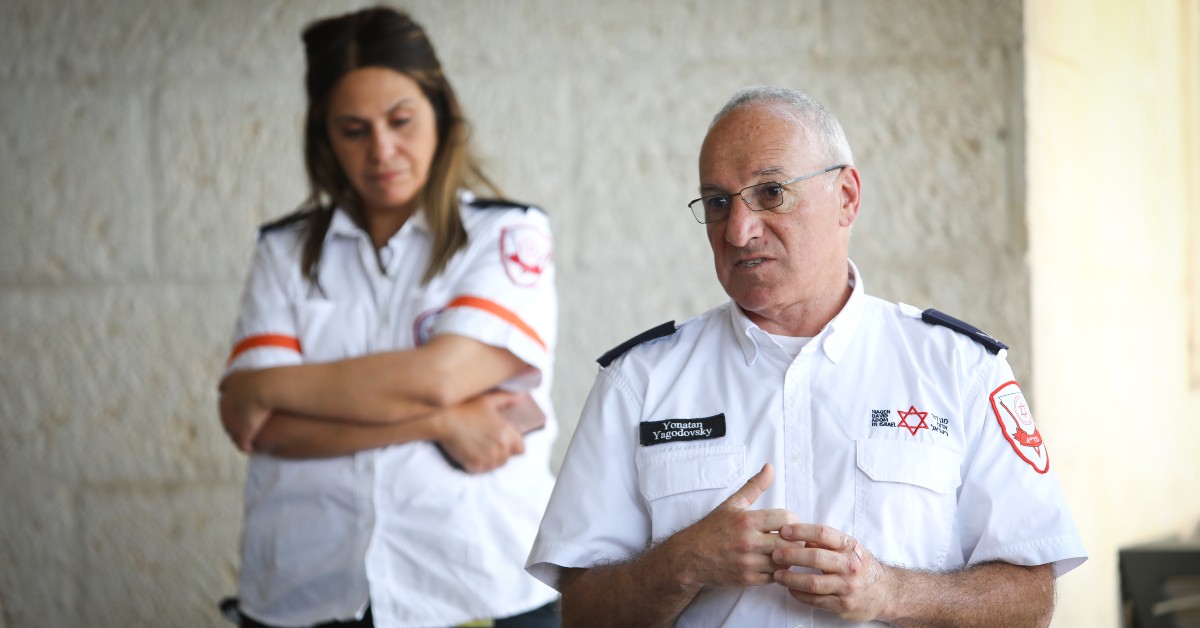
Magen David Adom (MDA)-Israel’s national medical emergency, disaster, ambulance, and blood service-treats anyone in need across the tapestry of Israeli society.
Thousands of MDA employees and volunteers responded to the terror attacks of October 7 and the ensuing war. Call-takers and dispatchers were also the first point of contact for attack victims, hearing about traumatic scenes. MDA’s EMTs and paramedics performed heroic acts, risking their own lives to treat thousands of civilians and IDF soldiers with horrific injuries.
Because of the trauma witnessed, MDA has offered psychosocial support for its staff and volunteers regularly, including one-on-one and group therapy sessions and resilience training for management.
Support for victims of terror and their families: The Partners of Fallen IDF Soldiers
Married spouses of fallen IDF soldiers receive support from the government and from the military. However, unmarried partners have no official legal status, and are often missing the support they need following the deaths of their loved ones.
From the start of the war through January of this year alone, 560 IDF and Security Forces lost their lives, leaving behind 241 unmarried grieving partners.
The Partners of Fallen IDF Soldiers serves to assist significant others of fallen IDF soldiers from the moment they lose their loved ones. The group offers them tailored therapeutic and emotional support as they navigate the challenging journey that lays ahead.
Special populations: Access Israel
Access Israel promotes accessibility and inclusion, and strives to improve the quality of life for both seniors and people with disabilities. Since the war began, approximately 2,500 citizens and members of the security forces have become disabled. Adapting to their new lives with a disability presents mental, physical, and bureaucratic challenges.
While services, tools, and rights exist for people with disabilities, not everyone is aware that these resources are available. Access Israel’s Back to Life program serves to empower war-wounded individuals, linking them to relevant care and resources, helping them adapt to their “new” normal life, and enabling them to live with equality, dignity, safety, and maximum independence.