My personal exodus of self-discovery
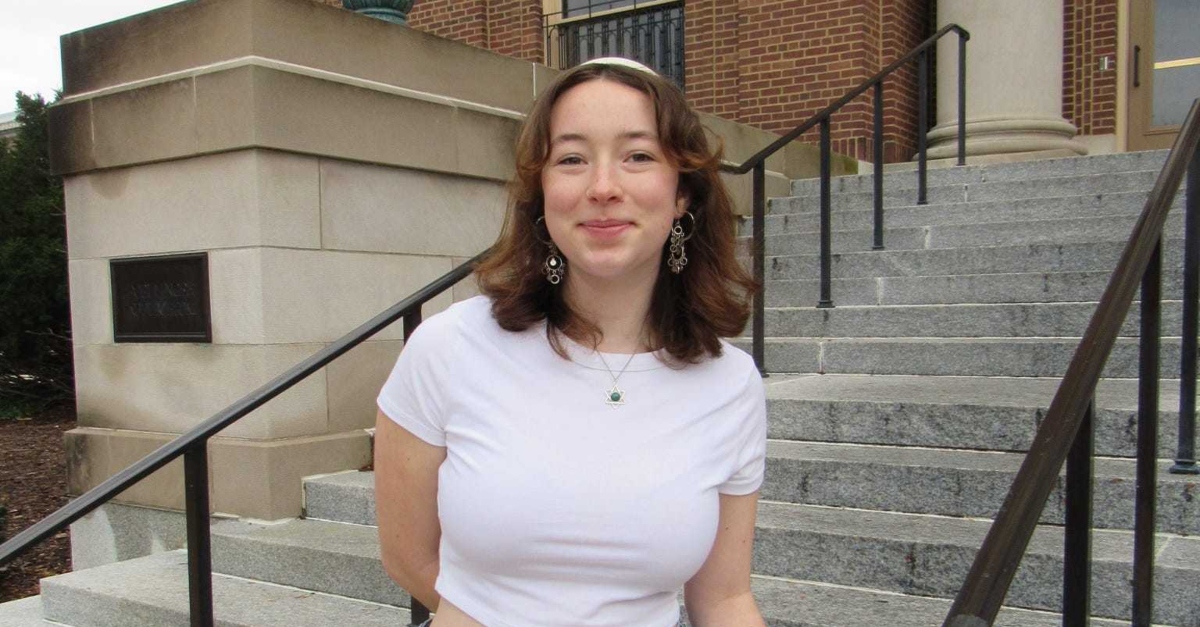
MADELINE GOLDBERG
Passover is the story of the Jewish people’s liberation from slavery, a pivotal moment in our history. As we retell this story each year, what resonates most deeply with me is that it marks the first time the Israelites experienced freedom in the context of a “modern” world. After 430 years of enslavement, the generation that was freed had no direct knowledge of freedom-it was something their parents and grandparents never knew. They were the first to step into a world unbound by chains.
This liberation wasn’t just physical; it was a profound cultural shift. For the first time, they faced the challenge of building a new identity as free people, determining how to navigate and practice their faith in a new, uncharted world. The story of their journey offers valuable insight into the struggles of a people forced to reimagine how to live, how to practice, and how to be. As they wandered through the desert, they learned how to forge a deeper connection with G-d, who provided them with the commandments to guide them.
But even with divine guidance, it was ultimately up to the people to choose whether to follow those rules, embrace their newfound freedom, and create their path. The story of Passover emphasizes the complexity of faith and freedom, stressing how the Israelites, and the Jewish people ever since, have grappled with questions of identity, practice, and the responsibility that comes with liberation.
As a U of I student, I’ve embarked on a personal journey to define what my faith looks like away from home. Passover was one of the first holidays where I was able to create a new tradition, one that reflected what it means to be Jewish in a college setting. At home, our Seders were always lively, lasting well into the night, a cherished tradition.
As a freshman, I longed for that same experience, but quickly realized that not all my friends shared the same background or experiences I did. It became clear that we needed to craft our traditions, blending what we each brought to the table. When my parents went to college, they didn’t practice Judaism the same way I did. My father didn’t even know that Jewish organizations existed on campus. This realization made me appreciate how much my Jewish identity was shaped by my family’s traditions. I would now need to navigate my faith in a new environment, creating a path that both honored my roots and adapted to the new context I was living in.
At school, I joined Alpha Epsilon Phi, where many of the women share similar backgrounds and longed for the same kind of Jewish experience. As a group, we attend Hillel for the Seders, where we enjoy delicious Passover meals and come together to create new memories and traditions. My friends and I have had to navigate this new era of Jewish involvement on campus, forging our way through these unique experiences.
Hillel has been a tremendous resource, offering well-organized events, meals, and services that are welcoming to all forms of Jewish practice. As a group, we’ve taken advantage of these opportunities, using the resources at our disposal to craft our own experiences. As a sorority we have partnered with Sigma Delta Tau and Hillel to host the Women’s Seder each year. This seder brings together the Jewish women on campus, a tradition that helped shape my Jewish experience at school. I look forward to each Jewish holiday with anticipation, knowing that Hillel will be there to support my evolving traditions and help create Jewish experiences that feel like my own.
Madeline Goldberg is a junior at the University of Illinois Urbana-Champaign majoring in history.
In this issue
-
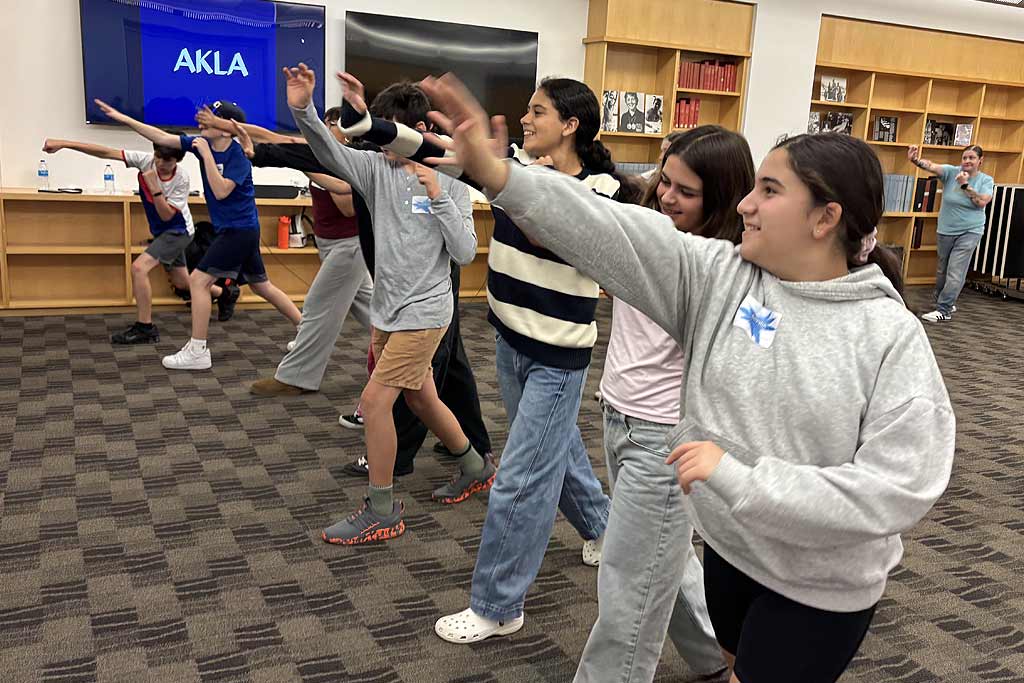
An ‘awesome’ new fellowship for teens
AKLA Chicago will be a free, five-week experiential experience for ages 12–14
Read more -
-