New beginnings
BRITTANY FARB GRUBER
According to the 2020 Metropolitan Chicago Jewish Population Study, one in five Jews in the Chicago area have trouble making ends meet. One in three Jews in the immediate West Rogers Park neighborhood report similar hardship.
To maximize its impact on local Jews in need, The Ark — a JUF partner and a longtime center of social services for the Jewish community–recently renovated and expanded its West Rogers Park location as part of its Building Our Future Campaign.
Recognizing the urgency for a significant investment to elevate the physical space, the new building aims to match its commitment to serve clients with dignity while offering a diverse array of vital services.
“Over time, our goal is to become a community center for people to use and engage with,” said Marna Goldwin, CEO of The Ark. “This type of space didn’t exist before. It’s bright, beautiful, and inclusive. It’s a space that anyone in the community can use for various programming and events.”
She emphasizes that the new building is a testament to just how far The Ark has evolved since its humble beginnings. “The Ark began as a free medical clinic back in 1971,” Goldwin explained. “Dr. Binyamin Sokol was taking care of people in the neighborhood and found that there were so many community members who needed access to medical care and couldn’t afford it.
“Anchored in empathy and powered by community, The Ark has served as a vibrant hub of vital human services in the Chicago area for more than 50 years,” she added.
Today–in addition to serving as a medical clinic–clients have access to The Ark’s grocery center and marketplace, pharmacy, shul , and more. While the prior building provided similar services to clients, the new space offers enhanced, modern amenities for the organization to increase its footprint.
“We serve 4,300 clients annually and we now have the ability to reach 6,000 from this larger, renovated building,” Goldwin said. “The Ark is proud to provide holistic services and care that doesn’t force an individual or their family to make a choice between medication, their physical or mental, spiritual health, and living Jewishly.”
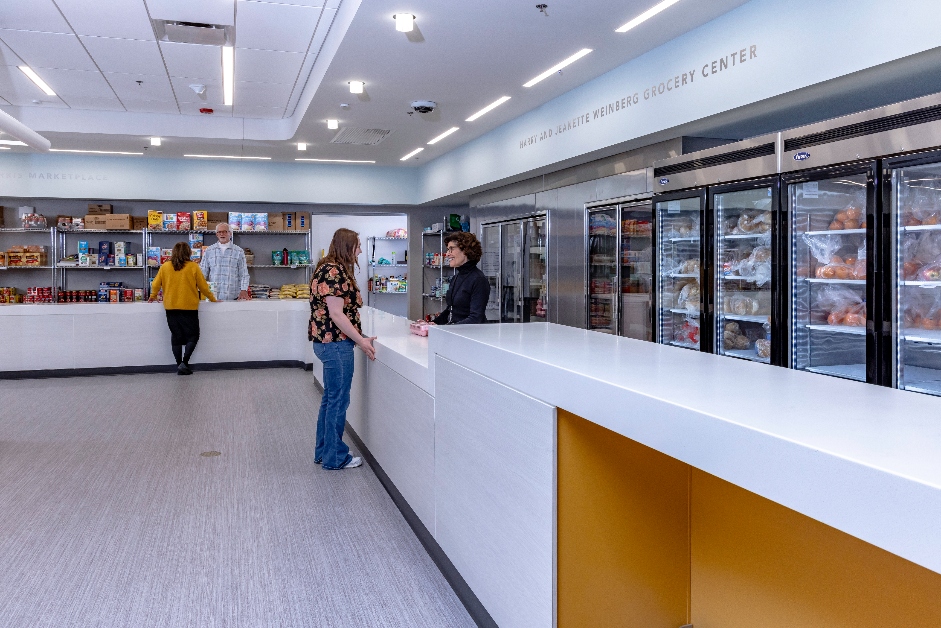
Providing clients with dignity and choice was paramount during the design process. The Ark’s new grocery center features more refrigeration, which Goldwin describes as “a huge difference maker” due to the logistics involved running a kosher market. In fact, the market is four times larger than the prior food pantry so the agency can welcome more volunteers as well as provide clients with the foods they not only need, but prefer.
“Being able to give people the food that they actually want and need in a way that’s culturally sensitive is such a core part of our mission,” Goldwin said. “Clients can shop as they would in a grocery store.”
Stepping up medical services and access were also priorities. The pharmacy features additional refrigeration that accommodates more storage for clients’ medication. The redesigned medical clinic still offers vital assistance for the community, but now offers additional space to offer more mental health services as well as advanced dental care. “We take care of the whole person,” Goldwin said.
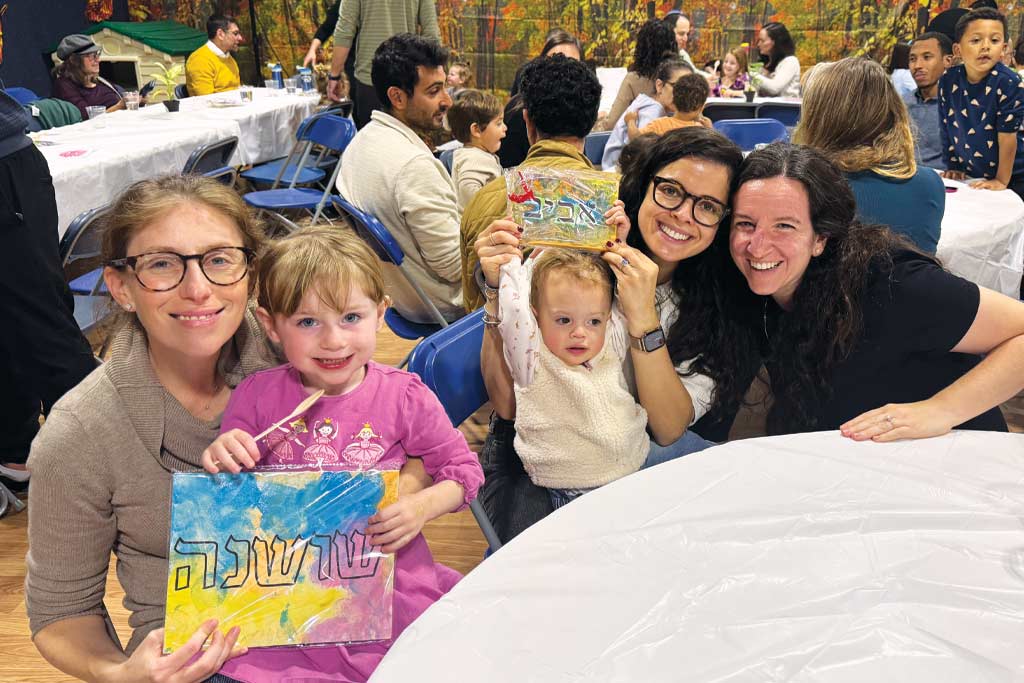
Previously housed in The Ark’s basement, community programming –including guitar lessons, Jewish study, art therapy, dance classes, computer skills training, and more –are now offered in a bright, light-filled space. Clients also have access to a large outdoor terrace and garden as well as an atrium designed based on Noah’s Ark.
“We think about The Ark as shelter from the storm and for humanity,” Goldwin said. “That’s what we’re here to do: to help people navigate through the roughest times in their live and get on their own individual path to self-reliance.”
To learn more about The Ark or donate to its “Building Our Future Campaign,” visitarkchicago.org.