Our sanctuary
Cindy Sher
My parents are selling the home I grew up in. We moved to that house in a Rockwellian neighborhood of Minneapolis 40 years ago–when I was 3.
I recently returned to visit the only house I’ve ever known one last time, and to help my parents pack.
As I boxed up my childhood bedroom, it dawned on me that the space served as a time capsule of one American Jewish girl’s life.
The closets and drawers overflowed with Jewish artifacts. Among them: My gan –Jewish preschool–diploma; light blue machberets (notebooks) filled with Hebrew writing and Torah lessons scrawled in pencil from my day school years; homemade masks–the Purim, not COVID, kind–glued with brightly colored sequins and feathers; an assortment of plastic dreidels; and a hodgepodge of faded t-shirts with logos for Jewish summer camp, an organized trip to Israel, and a purple Hillel tee with Northwestern spelled across the front phonetically in Hebrew.
Our homes are a homebase for Jewish life. Ever since the destruction of the ancient Temples, we Jews have been designating our homes a holy place–our small sanctuary.
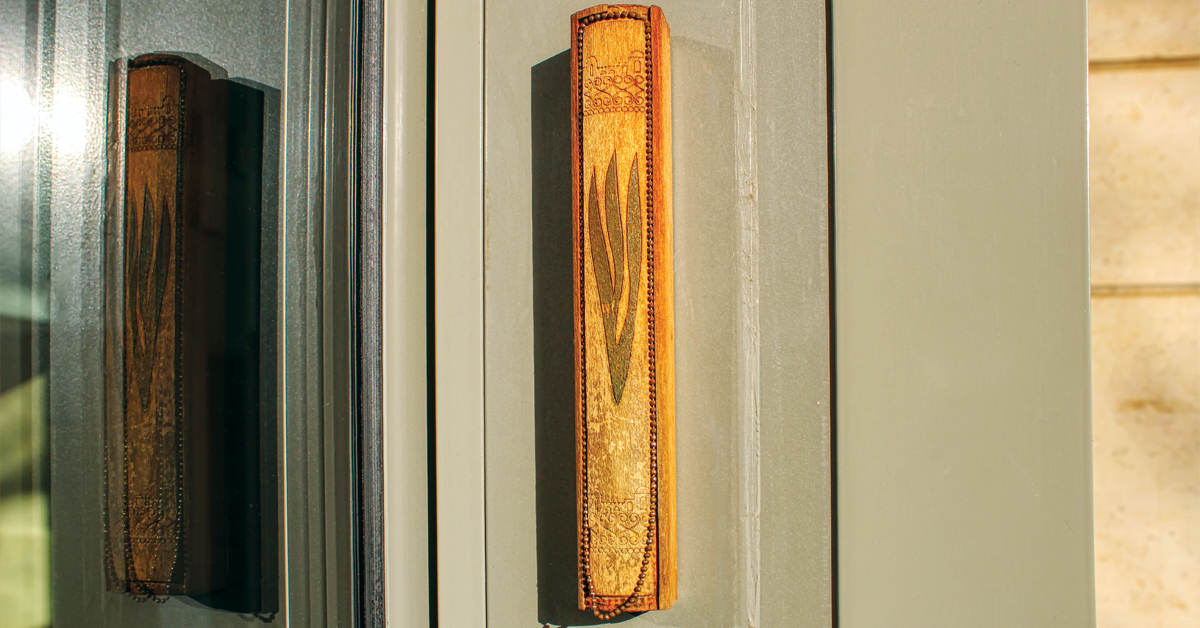
It’s in the home where, from birth, we’re forming the nucleus of who we are as Jews. It’s in the home where we kiss the mezuzah , light the Shabbat candles, fry up the latkes, break-the-fast, and hide the afikomen. It’s in the home where, as children, we’re forming our Jewish identities and values. And it’s in the home where we have a safe space to ask life’s biggest questions through a Jewish lens.
This analysis of our homes as our Jewish sanctuaries is all very topical as we focus, this month, in our annual home and garden issue, on the nexus between our homes and our Jewish lives. Plus, after two full years of so many of us spending the bulk of our time at home, we explore how to maximize our joy at home–how to make our space a true sanctuary–no matter where we live.
After filling a dozen boxes with items to donate, trash, or keep, I exited the bedroom, and took a final walk through the house where I’d spent my formative years.
I entered the kitchen, where we had baked so many noodle kugels , blintze souffles, and challot , and where at the dining table over the glow of Shabbat candles, my parents had lovingly placed their hands on their daughters’ foreheads every Friday night to bless us like “Sarah, Rebecca, Rachel, and Leah.”
In the dining room, a menorah sits perched on a table near the window, where we had kindled hundreds of Chanukah candles through the years, the site of so many celebrations full of light, both literally and figuratively.
In the living room, I approached the baby grand piano, where my sister and I had taken several years of (futile) lessons. I struck a couple high notes on the keyboard, my mind transporting me back to my beloved grandmother– alav hashalom –playing piano while singing Jewish songs in her mezzo-soprano voice. Above the piano bench hung a painting with the Talmudic quote “He who saves one life, saves the entire world.”
And in the hallway, bookshelves brim with Jewish-themed books, many of the same titles that are likely fixtures in your home libraries, too–from Kushner’s When Bad Things Happen to Good People ; to Uris’ Exodus ; to Telushkin’s Jewish Literacy; to Nathan’s Jewish Holiday Cookbook ; to bat mitzvah albums filled with awkward tween photos, one celebrating my sister’s big day and the other devoted to mine.
Then I grabbed my suitcase and walked out the front door, that same door I’d entered through so many seasons of weather–and life–and tapped the mezuzah on that doorpost one last time.
Saying goodbye to the house sparked a mix of emotions in me. I felt both a sweet and sad nostalgia for old times, but mostly I was happy and hopeful because my parents are relocating to Chicago to live closer my husband and me–and our baby daughters, their grandchildren.
And let’s be honest–that’s the most Jewish move of all.
In this issue
-
An ‘awesome’ new fellowship for teens
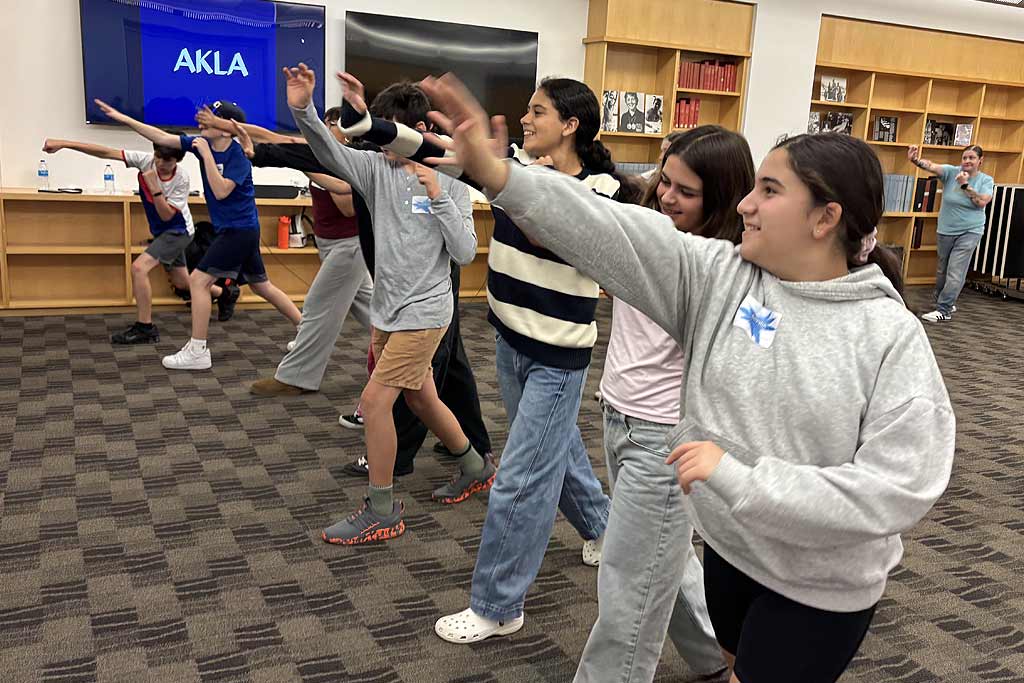
AKLA Chicago will be a free, five-week experiential experience for ages 12–14
Read more -
-