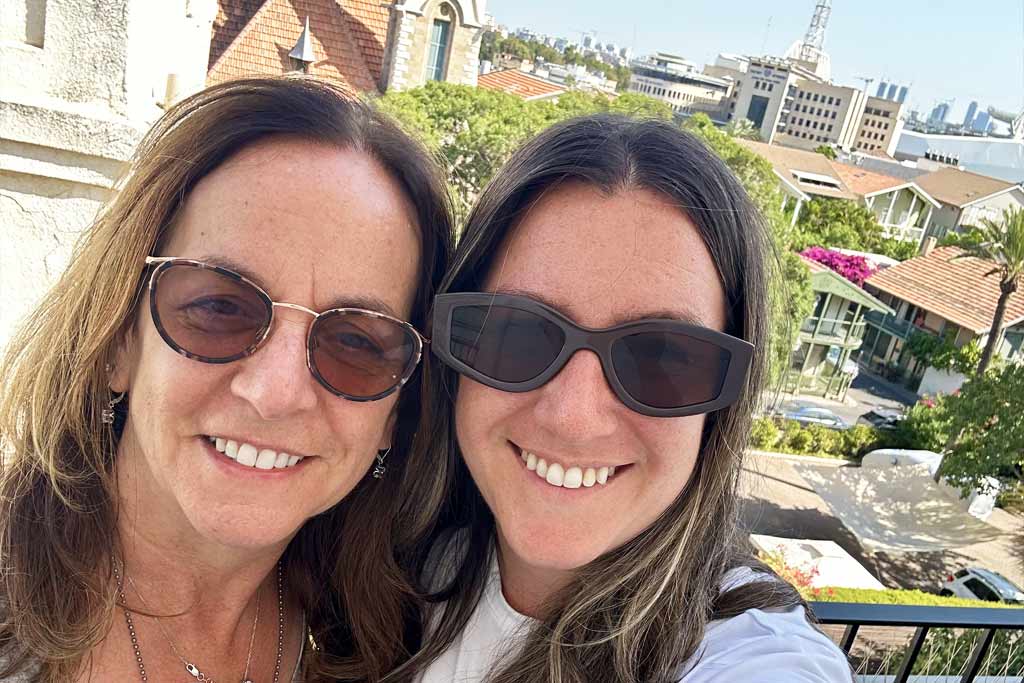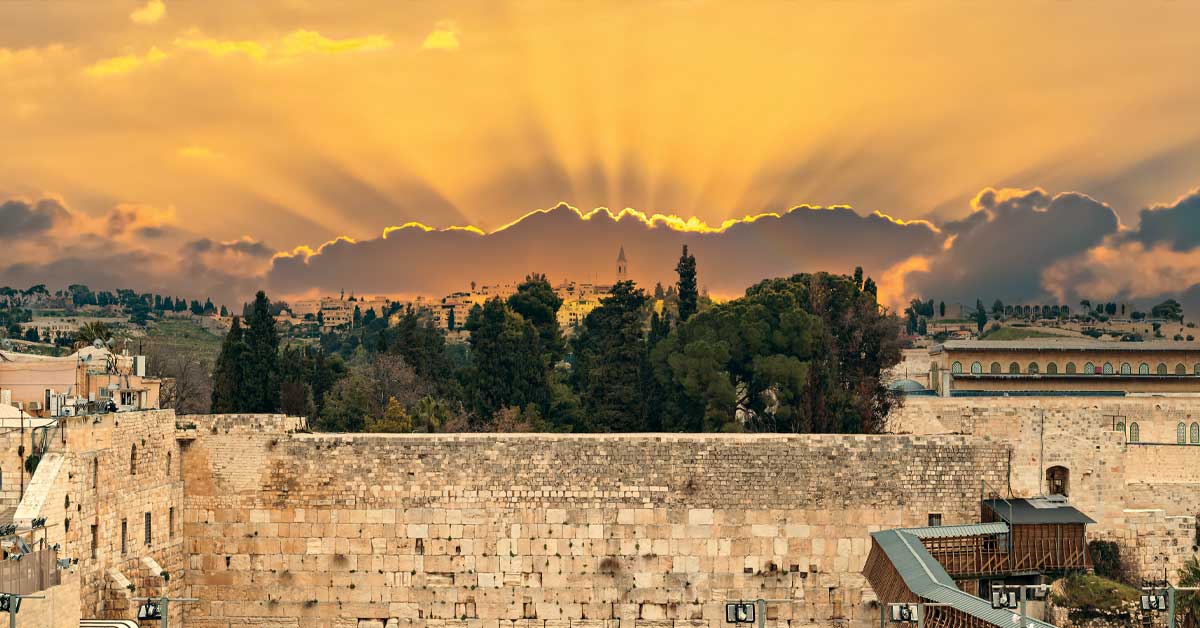
On the final day of my mission to Israel this summer, I stood at the Kotel in Jerusalem. As I wrapped myself in a tallit (prayer shawl), I recalled gathering two days prior with the tens of thousands of people who wrapped themselves in the Israeli flag at Hostage’s Square to mark the ninth month of the war.
I remembered the stories I heard of October 7, as the sound of the crowd shouting ” achshav ” (now), meaning “Bring them home now,” echoed endlessly in my head. Reaching for a book of Psalms, I instinctively turned to Psalm 130, traditionally read during the High Holy Days. Embodying the energy of our ancestors, I cried out words that have been sung at this holy site for thousands of years:
“Out of the depths I call You, my G-d. Creator of all, listen to my cry–let Your ears be attentive to my plea for mercy.” (Psalm 130:1-2)
As the war now continues into its 11th month, many of us feel trapped in the depths of despair described in the Psalm. We are thinking about the hostages, praying for peace, mourning the innocent, witnessing a surge in antisemitism, and feeling the anxiety caused by our upcoming election. The ancient words of our tradition resonate deeply–out of the depths we are pleading for comfort and support.
And yet, in that very moment at the Kotel , as I reached for the warmth of our ancient stones, I felt a glimmer of hope. Hope knowing that that the Jewish people have said these words at the Kotel , and around the world, for thousands of years. Thousands! And here I am, but one link in the chain of a remarkable tradition: Am Yisrael chai –the people of Israel live.
Our values, rituals, and traditions endure. They bring us comfort in both the good and challenging times, in our lives whether we struggle as a community or alone. The very fact we endure begins to fill us with hope.
Even though Psalm 130 begins as a cry of despair, this psalm delivers a message of hope: “Israel, wait for G-d,” the psalm continues, “for with G-d is steadfast love.” This love sustained our ancestors and can sustain us as well. Those generations taught us that we don’t have to wait for G-d, but that we can reveal G-d’s love through our own actions, especially when we work as one community to help ourselves and others.
In Chicagoland, we are blessed to have a strong, caring, and protective Jewish community. A community that takes care of both those within and outside our walls. Since October 7, we have rallied here and in Washington D.C., prayed for peace and the return of the hostages, confronted antisemitism, and found renewed comfort in our ancient rituals. We have continued to celebrate new lives, mourn lives well lived, and help both our neighbors and strangers. During one of the most challenging times in recent Jewish history, we have made our community stronger.
Next month on the High Holy Days, we will gather again and plead with G-d to accept our faults as we try to be our best. Together, we’ll call out from the depths, so that we too can feel love and comfort, praying that one day we will know only joy and peace.
Shanah Tova u’metukah –may we have a sweet, happy, and peaceful 5785.
Rabbi Brian Immerman is Senior Rabbi of Congregation Sukkat Shalom in Wilmette.
In this issue
-
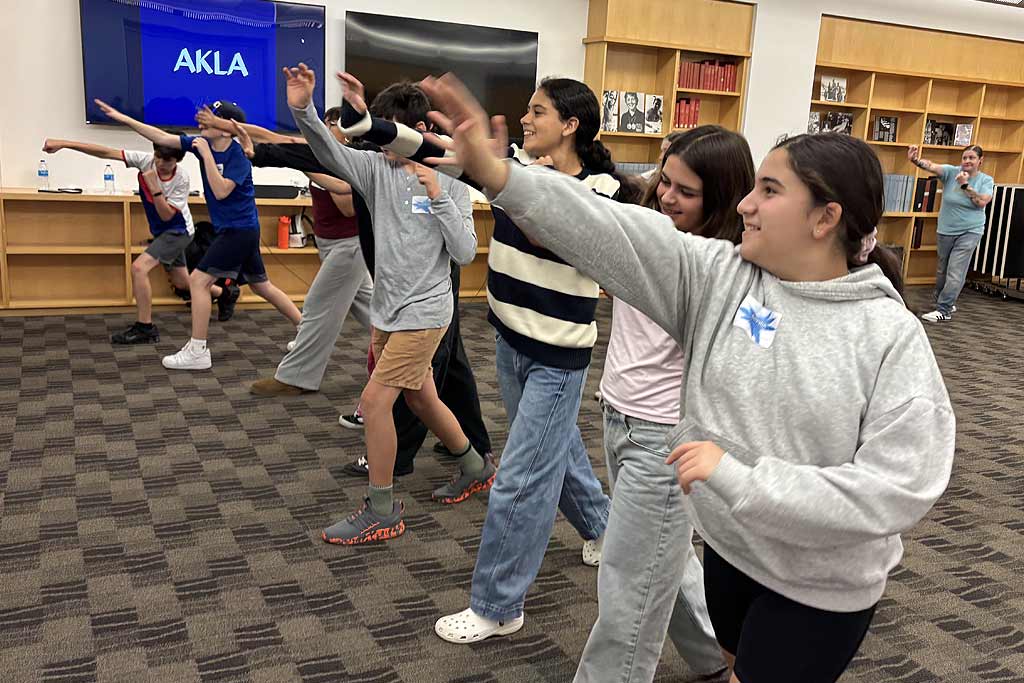
An ‘awesome’ new fellowship for teens
AKLA Chicago will be a free, five-week experiential experience for ages 12–14
Read more -
-