Pancakes and pottery, onions and oranges
JENNA COHEN
Passover is one of the most widely observed Jewish holidays around the world-but not everyone gathers around a seder table. Ranging from playful to profound, Passover customs are as varied and diverse as the people practicing them.
The following are a few global traditions you may enjoy tying into your family’s own Passover celebrations this year:
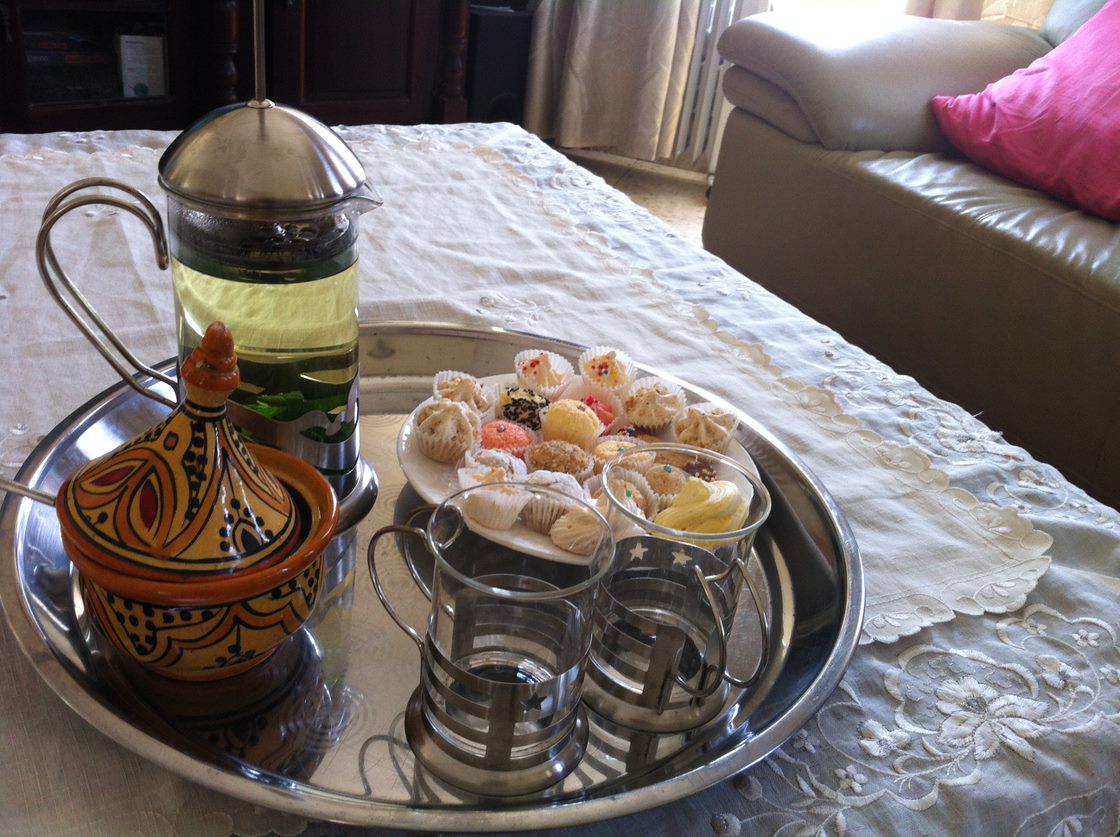
Morocco : Mimouna is a Moroccan Jewish tradition that is quickly (and rightfully) gaining popularity around the world. This post-Passover celebration is, in short, a carb fest making up for all the bready favorites you refrained from enjoying the week before. It also provides closure to the holiday of Passover and celebrates living in a place and time where our literal and metaphorical loaves do have time to rise. Treats commonly served at Mimouna include challah, buttermilk-based sweets, and a special type of thin pancake called a moufleta.
Afghanistan and Iran : There, they have a tradition of playfully whacking each other with the long ends of green onions or leeks during the seder, before the singing or reciting of Dayenu. Besides being great fun and possibly cathartic, this onion onslaught is meant to mimic the whips of the overseers in Egypt.
Poland : A major part of Passover is reenacting the Exodus from Egypt. We perform rituals to remember key moments, such as the hardships of slavery (eating of the bitter herbs), the Ten Plagues brought down upon the ancient Egyptians (removing wine from our drinking glasses), and the haste with which we left Egypt (eating of matzah). In Poland, many families include the crossing of the Red Sea in their reenactments by pouring water on the floor and walking through it. As they do so, they name the places they would pass while crossing the Sea en route to Israel.
Israel : In Israel, there are only seven days of Passover, not eight, with only a single seder on the first night. The tradition of celebrating two seders is a largely Diasporic one, observed outside the Land of Israel. It stems from the days before instant communications; it took too long to get the news of the Jerusalem sighting of the new moon to the edges of the Jewish world. To accommodate for this, and for local miscalculations of the lunar calendar, it became a tradition to have two seders in the Diaspora.
Ethiopia : Ethiopian Jews do not traditionally use a Haggadah or host a seder to mark the arrival of Passover. This is because their practices and books of study are pre-rabbinic. In other words, they only study the Torah, not the Mishnah or the Talmud-the source of our Passover traditions. One of the ways Ethiopian Jews mark Passover is by smashing clay pots and creating new ones. This represents a clean break and a fresh start. It is believed that this custom is similar to what our ancient ancestors would have done!
North America : Many households place an orange on the Seder plate. The origins of this practice lie in the historical marginalization of members of the LGBTQ+ people in Jewish practice. Dr. Susannah Heschel, responding to the hurtful statement that “lesbians belong on the bimah (pulpit) as much as bread belongs on a seder plate,” knew a response was in order. “I chose an orange,” she said, “because it suggests the fruitfulness for all Jews, when lesbians and gay men are contributing and active members of Jewish life.” Its symbolism has since expanded, and now represents inclusion for others who feel marginalized.
Jenna Cohen is a development professional and freelance writer living in Chicago.