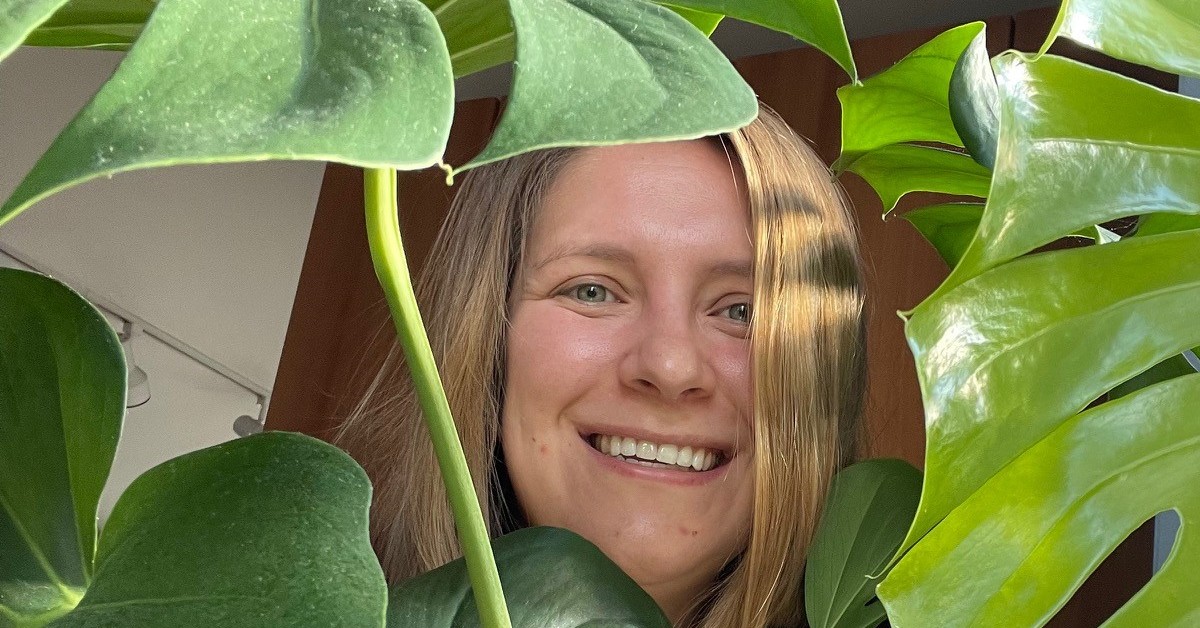
Planting the seeds of a healthy hobby
From poisonous ZZ plants to 9-foot-tall lemon trees, young Jews in Chicago are cultivating a great variety of plants.
“I always grew up with plants,” said Matt Gold, JUF Young Leadership Division board member and house plant aficionado. Inspired by his grandmother, an award-winning gardener, he saved seeds from several lemons in October 2015.
Now, over six years later, the seeds sprouted into many trees, the tallest of which nearly brushes his ceiling. “It’s become a thing” to show to friends and co-workers, he said. “How many people can say they live in a Chicago high-rise with a lemon tree?”
By sharing the stories of his copious plants, Gold has cultivated friendships in person and on Instagram. He advises that getting started with plants requires “learning as you go”–whether you begin with buying a plant from a store or placing seeds from a fruit in a wet paper towel–and that “it’s a lot easier than you think” to get started as a house plant owner.
For Talia Shapiro, a physical therapist at Shirley Ryan AbilityLab, the beginning of her journey was a gift of a Monstera clipping from a friend’s mother. Now, she has 57 plants, and one of her favorite things to do is learn about the different species and how to propagate them so she can give clippings as gifts.
“I see myself as an outdoor person, but I like the energy and convenience of being in a city,” she said. Her view from her River North apartment is mostly buildings, so she sought plants to “feel a little bit of outdoors and nature inside and have a little oasis in the middle of the city.” In the summer, she fills her balcony with flowers and vegetables, and she has many plants facing east so she can watch the morning sun hit them and change the color of the leaves.
“I love seeing the leaves blossom and having things to take care of,” Shapiro said. “I like the variety too, so I kept gathering plants. Now, my home is filled.” These days, with gardening an integral part of her life, “my mom always jokes that I’m in a relationship with my plants!”
Shapiro advises for new plant owners to look up the species of their plant to figure out the exact care it needs, as well as not to hesitate to clip off dead or dying leaves to preserve a plant’s energy to grow elsewhere.
Another local plant owner, Andy Stein, has made a career out of offering advice about plants and other facets of nature to others. One of his favorite pieces of advice is to avoid over-watering plants by studying how much water each species requires.
In addition to his sustainability consulting business, he has also taken a master gardener course at the University of Illinois Extension. “This program is really great because it educates you on growing and gardening in the Midwest,” he said. “You learn about seeds, plant diseases, cultivation, grasses, lawns and fertilizers–it’s a really extensive course.” Graduates of the course also help run the University of Illinois Extension Plant Clinic, where knowledgeable people are always available to answer questions about house plants, gardening, and more.
Stein uses his expertise to advise people about biophilia–communing with the natural world by bringing nature indoors. Sustainable or green design often involves incorporating plants or living walls into the design of a room or arranging house plants in a particular way. He has over 20 house plants, including a ZZ plant (Zamioculcas zamiifolia) that requires specialized care. He also has a plot at City Farm Chicago, an urban farm where, this year, he harvested 40 butternut squashes and hundreds of tomatoes.
In this issue
-

An ‘awesome’ new fellowship for teens
AKLA Chicago will be a free, five-week experiential experience for ages 12–14
Read more -

-