Protecting Israel’s nature is in Israel’s nature
PAUL WIEDER
While Israel is known as a hi-tech “Start-Up Nation,” a stalwart environmental group is launching “Start-Up Nature.”
The Society for the Protection of Nature in Israel (SPNI)–the largest nature conservation organization in Israel–is celebrating its 70th anniversary this year, which will include a visit to the States.
The Jerusalem-based conservation organization was founded by academics and kibbutzniks in 1953–10 years before the publication of Rachel Carson’s landmark environmental book Silent Spring.
During its lifetime, SPNI has made a lot of progress–from building a hiking trail that traverses the length of the country to helping make the nation’s water self-sufficient.
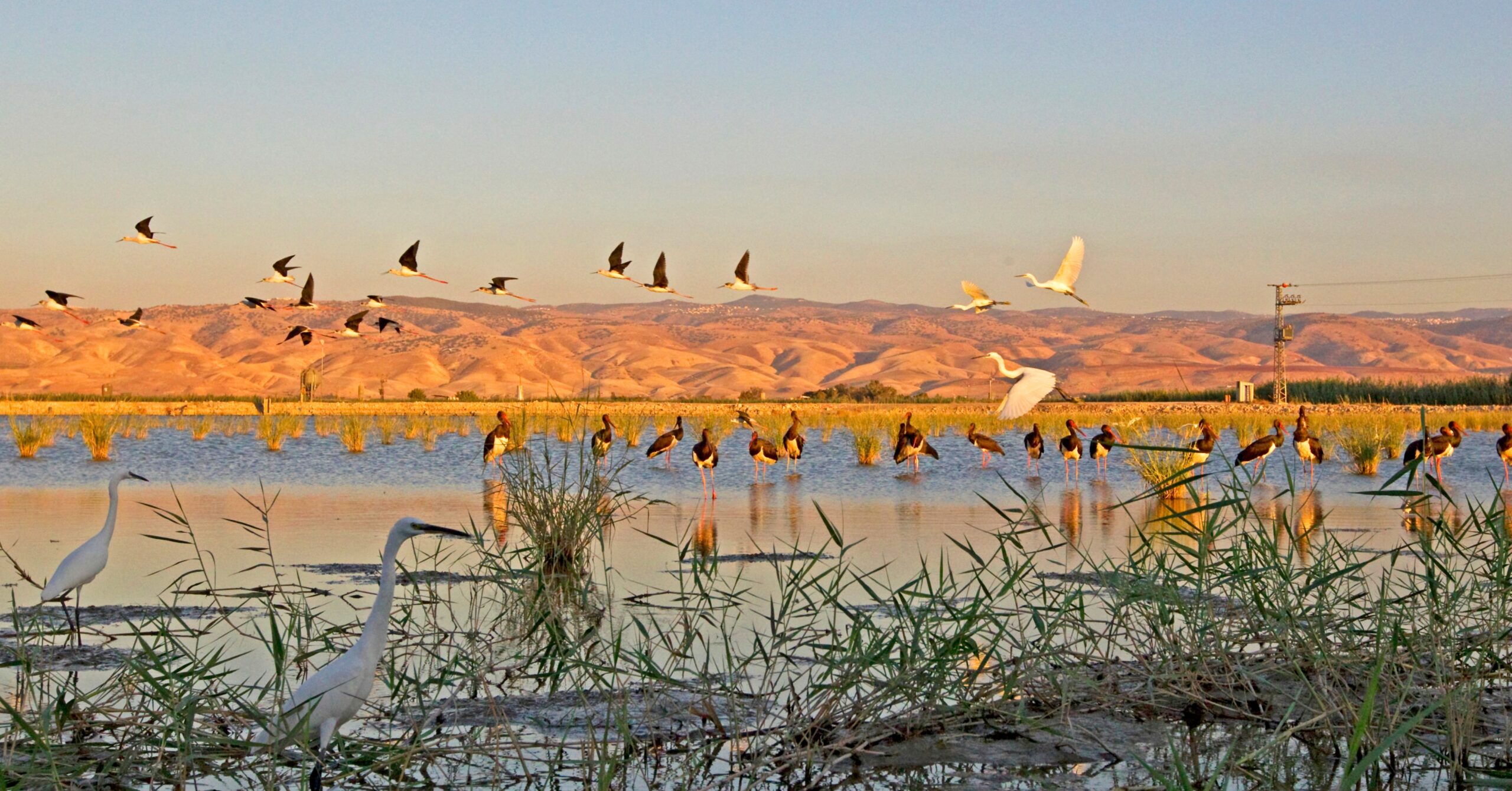
“Start Up Nature”–just one of the society’s efforts to restore Israel’s environment–aims to restore the swamps drained by Israel’s pioneers. Those swamps, now called “wetlands,” filter water, absorb carbon, cool the air, and welcome migratory birds.
A successful effort in this vein was undertaken 30 years ago: an Israeli grad student, Dan Alon–now a leading ornithologist–helped turn the Hula Valley back into the Hula Valley Lake, now a major “flyway” for hundreds of millions of birds migrating from Africa to Europe and Asia and back. Birdwatchers also flock there, bringing $20 million to the local economy annually.
Alon–who is now CEO of SPNI–will visit Chicago in late October, along with Jay Shofet, who oversees the society’s 140 partnerships, on issues from solar power to recycling. The organization also interfaces with Israel’s universities, military, businesses, and schools, and with every level of government.
As Shofet explained, “Humans are part of nature,” so whatever solutions SPNI provide to protect nature, “have to work for people, as well.”
Start-Up Nature plans to “re-wild” five or six fish farms into wetlands. Aside from being a flyway for 300 species of birds, the restored wetlands will attract frogs, hyenas, a native wildcat, and a severely endangered species of otter. Once the wildlife returns, tourism dollars should replace the lost revenue. Already, one site is expanding, and another plans to open March 26.
In their Chicago appearances, the society’s leaders will delve into Israel’s current environmental issues, from public transportation challenges to the unexpected–like a proposed floating casino off of Eilat that threatens the coast’s reefs. They will also discuss how changes in Israel’s Supreme Court will impact environmental policies–and the public’s ability to affect them.
Shofet’s overall message is that “the environment” is not an abstract concept; rather it’s personal. “Nature is not something ‘out there,'” he said. “It’s in your backyard.”
As of press time, SPNI’s representatives will visit Oak Park Temple on Oct. 28 and Temple Jeremiah on Oct. 29, and more visits are in the works For more information, please contact Rabbi Max Weiss at [email protected] . To learn more about SPNI, visit natureisrael.org.