She still says
ROBERT NAGLER MILLER
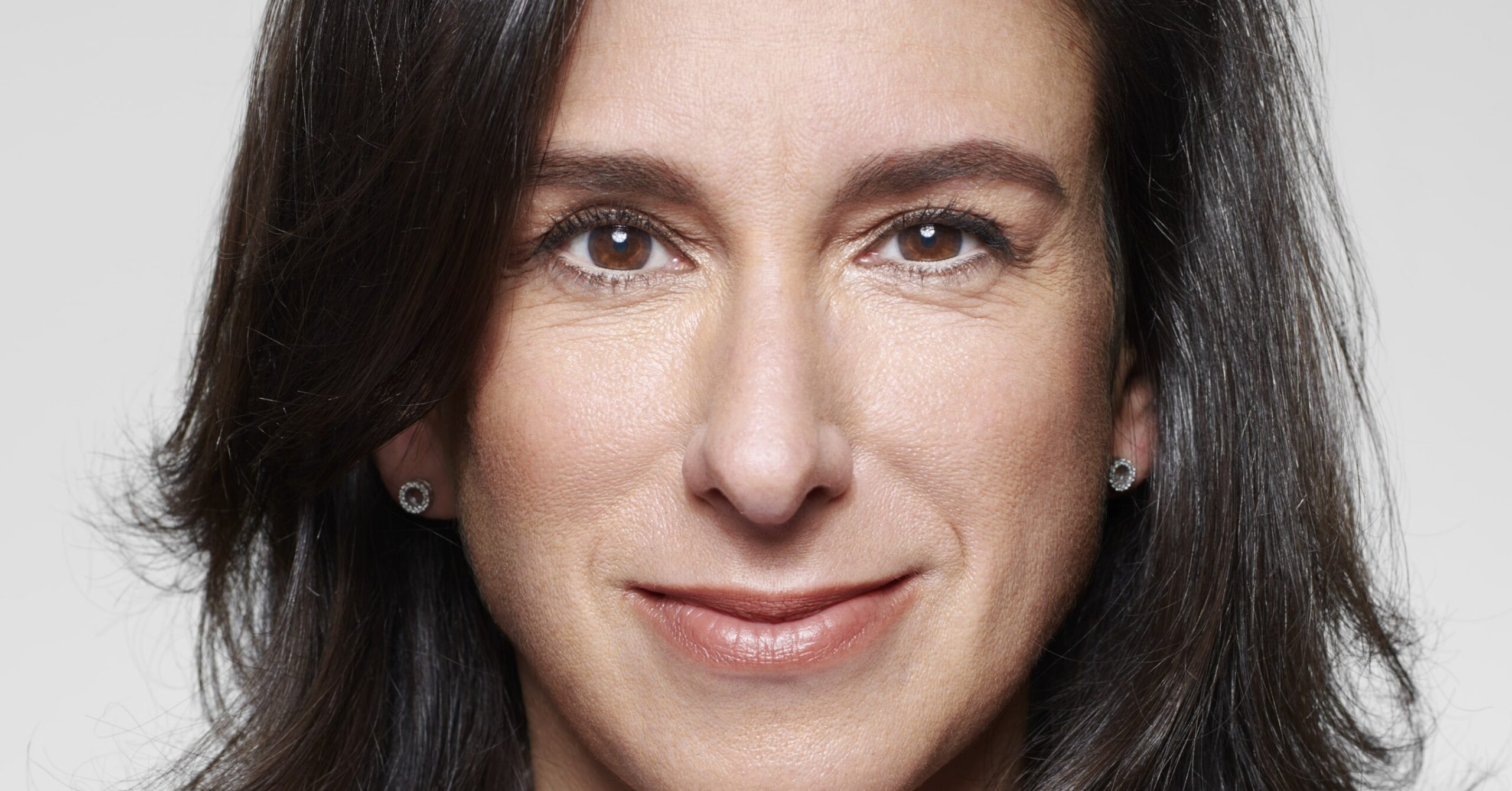
New York Times investigative reporter Jodi Kantor, who, with colleague Megan Twohey, broke the story of decades-long allegations of sexual harassment and abuse perpetrated by film producer Harvey Weinstein, will headline the 2023 Grand Event, hosted by JUF Women’s Philanthropy on Tuesday, Feb. 7, at the Bryn Mawr Country Club in Lincolnwood.
Kantor and Twohey received a Pulitzer Prize in 2018 for their work on the Harvey Weinstein scandal. They went on to co-write She Said , a widely lauded book about their investigation that was published by Penguin Press in 2019. A film adaptation of She Said was released last fall, co-starring actress Zoe Kazan as Kantor. The reporters’ work also contributed to the rise of the #MeToo movement. Weinstein, now a convicted sex offender, is imprisoned in New York.
In various interviews about her uncovering of Weinstein’s criminal activity, Kantor has said that the film mogul attempted to shape the story by reminding the reporter that they are both Jewish. “Weinstein put [Jewishness] on the table and seemed to expect that I was going to have some sort of tribal loyalty to him,” Kantor reported to the Jewish Telegraphic Agency . “And that was just not going to be the case.”
Kantor has been at the Times for almost two decades. During that time, she has written extensively on women-in-the-workplace issues and gender bias in seats of power: on Wall Street, at Harvard Business School, and in the Church of Jesus Christ of Latter-day Saints. An early article, in 2006, “On the Job, Nursing Mothers Find a 2-Class System,” led to the development of free-standing lactation stations in workplaces and public venues across the country. She also wrote extensively in 2007 and 2008 about the political rise of President Barack Obama. Her 2012 book about the former President and First Lady, The Obamas , earned critical praise.
An East Coast native, Kantor toggled as a youngster between New York and suburban New Jersey. After graduating magna cum laude from Columbia University, she served as a Dorot Fellow in Israel in 1996 and 1997 and worked at a number of Israeli and Palestinian organizations. She spent a semester at Harvard Law School before taking a job as a reporter at Slate , the online magazine.
Many sources about Kantor’s life cite that she is the granddaughter of Holocaust survivors. In a recent article in The Forward (“Harvey Weinstein tried to pressure NYT’s Jodi Kantor ‘Jew to Jew'”), Editor-in-Chief Jodi Rudoren, who once worked with Kantor at the Times, quoted her colleague on the origins of her interest in investigative journalism. Kantor suggested, in the article, that there was a link between her family’s connection to the Holocaust and her interest in exposing the inconvenient truth about matters that many would prefer to keep buried.
“[Y]ou’re always trying to redeem what can be redeemed,” Kantor told Rudoren, “to ask the big questions about how could something like this have happened? What was the system? You know, what were the mechanics? Why didn’t anybody try to stop it? How could people have thought this was okay?”
Kantor lives in Brooklyn with her husband Ron Lieber, a New York Times journalist who grew up in Chicago, and their two daughters.
Women who contribute individual gifts of $1,000 or more to the 2023 JUF Annual Campaign are invited to attend JUF’s Grand Event. Register at juf.org/Women/Grand-Event.aspx. A virtual option is also available. If you have questions, contact [email protected]
Robert Nagler Miller is a journalist and editor who writes frequently about arts- and Jewish-related topics from his home in New York.