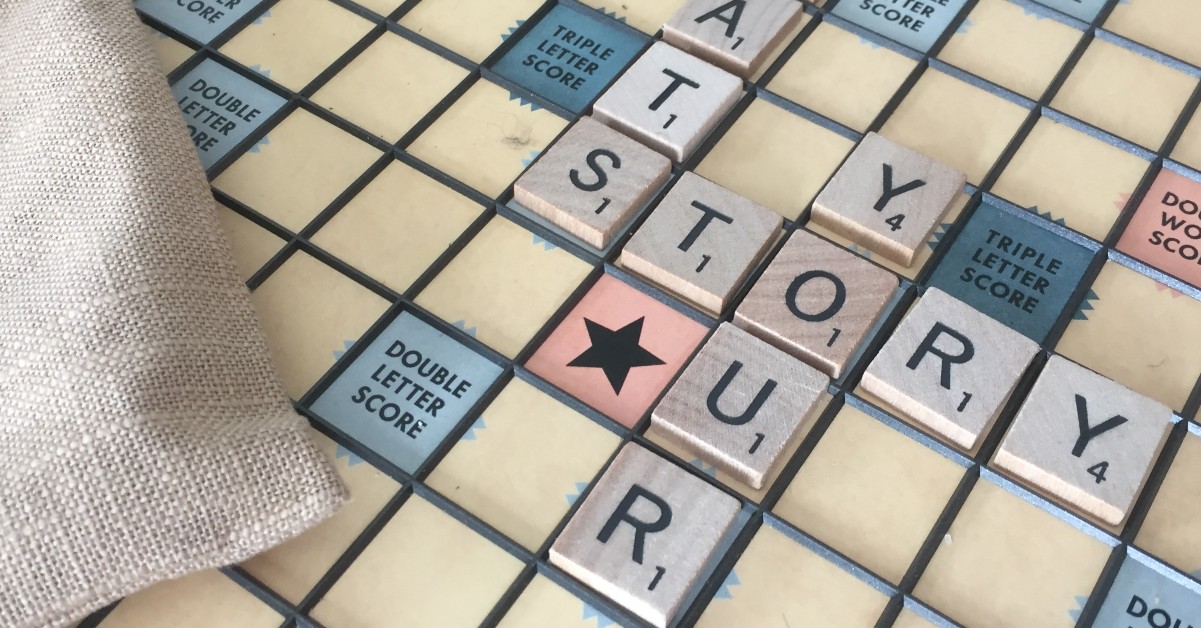
Storytelling workshop empowers those who have experienced cancer
ROBERT NAGLER MILLER
Sivan Schondorf is a born storyteller. She loves regaling her family and friends with accounts of her life: her childhood in the Chicago burbs, young adult years in Los Angeles, and zany escapades along the way. She took one of these escapades and crafted it into a five-minute, true-life tale that she told this past fall on The Moth Radio Hour, which can be heard on many National Public Radio affiliates throughout the country, including Chicago’s WBEZ.
But Schondorf has many other stories to share. Thanks to a four-part virtual storytelling training and workshop starting on May 9, she will have the platform to shape her narratives.
That the workshop is presented by Norton & Elaine Sarnoff Center for Jewish Genetics-a supporting foundation of JUF, with promotional support from Sharsheret, a nonprofit organization that assists Jewish women with breast or ovarian cancer-makes this opportunity all the more compelling for Schondorf.
That’s because the workshop will be focusing on personal encounters with cancer, and Schondorf has plenty to say on that subject. Her beloved aunt, Linda Ben-Ami, suffered from aggressive breast cancer, to which she succumbed at 49, and Schondorf and her mother, like her late aunt, carry a mutation of the BRCA gene that places them at higher risk for breast and ovarian cancers.
“It was devastating for the entire family,” said Schondorf, speaking of her aunt’s death and the discovery of the genetic mutation in her family. But what details will emerge in her stories about her family’s BRCA experiences have yet to be revealed. She has many layers to uncover and feelings to unpack, Schondorf said. All she knows, she said, is that she will “be looking at my experience at a deeper level.”
That’s heartening to Daniel Weinshenker, who will be co-facilitating the May storytelling workshop in his capacity as Program Director with the Berkeley, California-based StoryCenter, which has been running storytelling programs for almost three decades.
“The truth,” said Weinshenker, is that “about 80 percent of the time, the stories participants are telling by the end of a workshop are not the ones” they thought they’d be telling. “The process of storytelling itself is knowledge-building,” said Weinshenker, who recently earned a master’s degree in social work, with a focus in oncology. The stories we’re telling are those we’re trying to make sense of, he explained.
For Dr. Neil Perlman, a Chicago internist and colon cancer survivor who is enrolling in the storytelling workshop, the purpose of his participation is clear-cut: to develop his story line around about Lynch syndrome, an inherited cancer syndrome that puts its carriers at higher risk for colon cancer, uterine cancer, and other cancers.
Perlman has the syndrome, as does his older sister, a uterine cancer survivor. There are four types of Lynch syndrome, he said, and he has the one found most often in Jews. Perlman and his sister formed a nonprofit, CCARE Lynch Syndrome, in memory of their younger sister and mother, and his sister’s infant son, all of whom had the syndrome.
“Had we known about Lynch syndrome, my sister would be alive” today, he said of Elissa Faye Perlman, who died at 42.
Education and early screenings are key, Perlman said, and the workshops will help in his quest to refine his messaging about Lynch syndrome.
Sarah Goldberg, Associate Director of the Sarnoff Center for Jewish Genetics, is heartened that local Jewish community members are using storytelling to work through their understanding of cancer in their families and to build narratives that stress education and outreach. “I’ve participated in StoryCorps,” the nonprofit storytelling initiative, she said, underscoring the power of storytelling.
Added Becky Koren, LCSW, the Illinois program director for Sharsheret, “Storytelling is an effective tool that allows people to reconceptualize incidents in their lives and reframe them in a way that is self-empowering,”
To register for the Sarnoff Center storytelling workshop, go to juf.org/storytelling.
The Norton & Elaine Sarnoff Center for Jewish Genetics is a supporting foundation of the Jewish United Fund of Chicago, and is supported in part by the Michael Reese Health Trust .
In this issue
-
This Passover, four more questions
The youngest guests at our seders will likely ask the four traditional questions, but here are four other questions to chew on over matzah this holiday.
Read more -
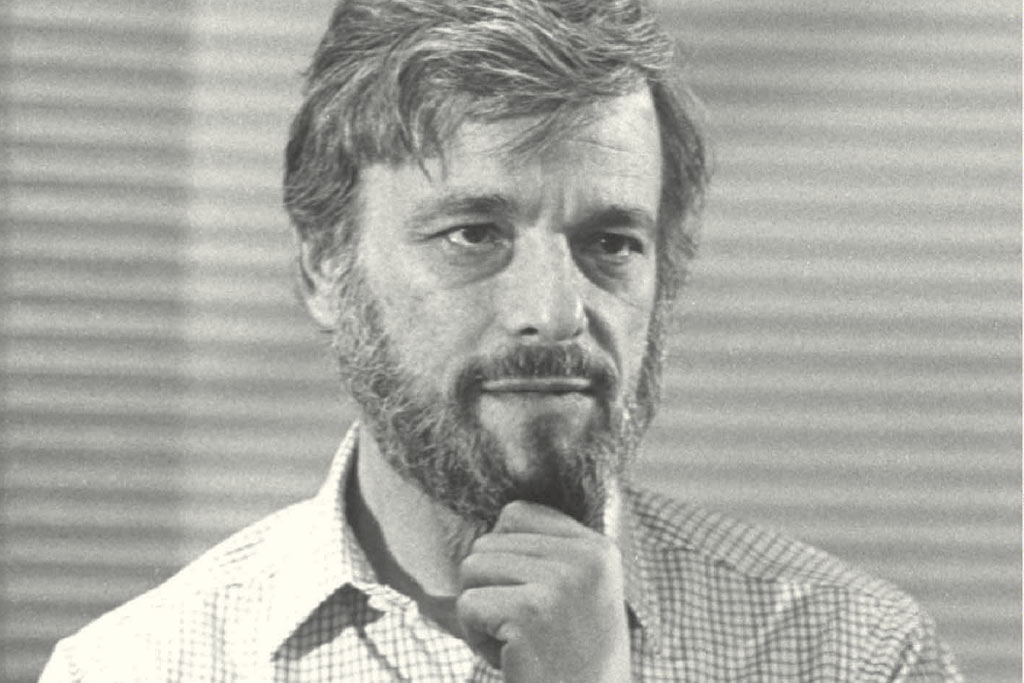
New Stephen Sondheim biography details the towering figure
‘Walking encyclopedia of musical theater’: New Stephen Sondheim biography details the towering figure
Read more -
Celebrating spring and a crop of new productions
A celebration of Passover, warmer weather, and a crop of new productions
Read more