Supporting our Israeli brothers and sisters
JEWISH CHICAGO
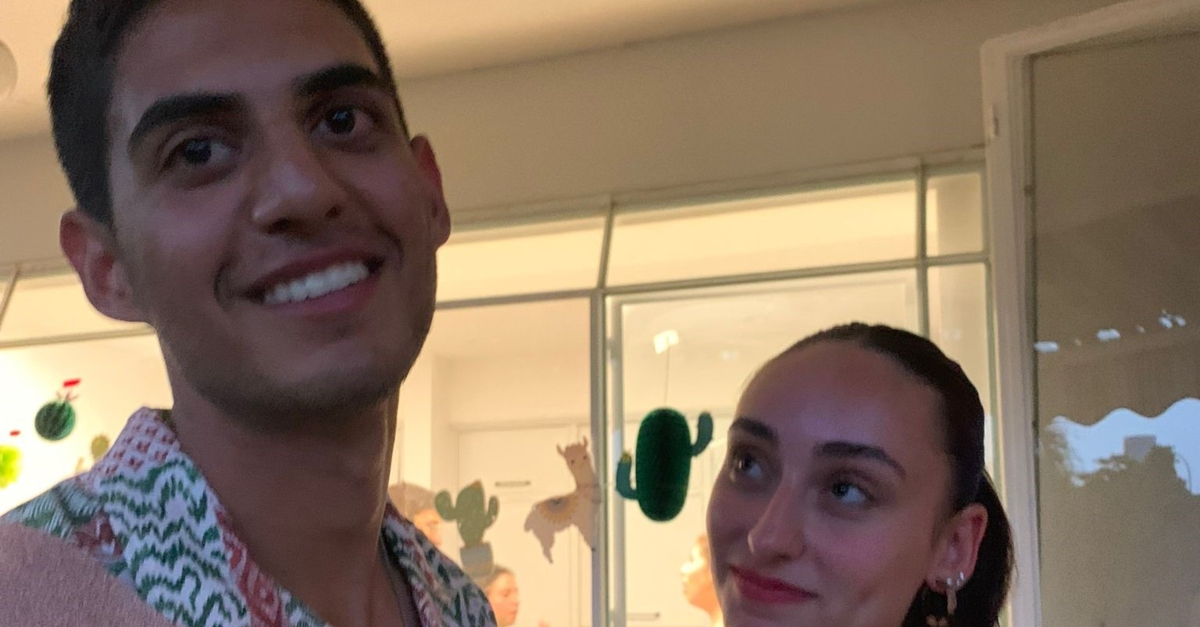
“He was my home.” That’s how Adar describes her beloved Amit.
The couple, introduced by a mutual friend, dated for four happy years. Then, on October 7, Amit–a medic in the Israel Defense Forces–was killed, tending to the wounded.
In an instant, Adar’s dreams of life with Amit shattered. “I didn’t know what to do with myself,” she recalled.
At his shiva , Adar learned about The Partners of Fallen IDF Soldiers–an organization funded by JUF’s Israel Emergency Fund.
The organization supports nonmarried partners of fallen IDF soldiers from the moment they lose their loved ones. The nonprofit tailors therapeutic and emotional support to each bereaved partner, including a dedicated First Response Team consisting of therapists, support group, and a longtime bereaved partner previously helped by the organization.
The Partners of Fallen IDF Soldiers was founded in 1998 to fill a hole in support services. Back then, only married partners of fallen soldiers received assistance from the Israeli government, while unmarried partners were ineligible, having no official legal status as “family members.”
Before October 7, 90% of funding for the organization’s work came from Israel’s Ministry of Defense. But after that horrible day, the number of partners of fallen soldiers has soared and created a heartbreakingly high demand. Before October 7, the group supported approximately a dozen newly bereaved partners a year. Since October 7, that number has jumped to 338*, and the numbers grow almost daily.
“Amit was my person,” said Adar, now 20. “We weren’t married, but we’d planned that for the future. It makes me happy to know that there are people who see that.”
*as of Dec. 15, 2024
**
In 2024, you made it possible to–
-Provide 407,000 Israelis with mental health support.
-Assist 62,000 Israelis through economic relief and recovery programs.
-Support 58 communities in northern Israel and 45 communities in southern Israel with resiliency programs and services.
**
“It’s a guiding light, a comforting assurance that someone will be there to support and care for you. It’s invaluable to feel you’re not alone.”
~Recipient of Ma’atefet, a project of the National Organization for Victims of Terror, which help families of victims of terror by building connections through a family supporter.
“It feels like you’re not alone in this [grief]. It gives you a sense of belonging. Wherever I may be, it helps and comforts me. It’s fun. I’m not different. After all, no one wants to be different.”
~Rif Menachem, son of slain IDF soldier, who attended an IDF Widows and Orphans Organization camp, offering young orphans a chance to connect and heal.