Technion at 100
PAUL WIEDER
For 100 years, Technion – Israel Institute of Technology- one of the world’s leading public research universities for training scientists and engineers-has been at the forefront of technology, not just in Israel, but worldwide. It has produced Nobel-winning research, been visited by scientific icons like Einstein, Bohr, and Oppenheimer, and birthed many high-tech companies, solidifying Israel’s reputation as “the start-up nation.”
Technion faculty and alumni have launched innovations in every scientific field from medicine to robotics, including night vision, the USB “thumb” drive, ICQ instant-messaging software, stem cells, and even “lab-grown” steaks.
Over its first century, 95,000 students have graduated, including survivors of the Holocaust and Soviet repression. Beyond the sciences, Technion has a student orchestra, chorus, and dance troupe, producing well-rounded as well as scientifically astute students.
Technion, based in Haifa, has also been a source of Israeli diplomacy, welcoming dignitaries from Eleanor Roosevelt, Margaret Thatcher, and Mikhail Gorbachev to Hollywood icons like Kirk Douglas and Christopher Reeve.
Today, the Technion has 18 academic departments, 52 research centers, and over 13,000 students, plus partnerships with universities around the world.
Here are just a few of the many highlights of the Technion’s storied century:
1901: At the Fifth Zionist Congress, Martin Buber and Chaim Weizmann propose an engineering institute to support the development of the future state.
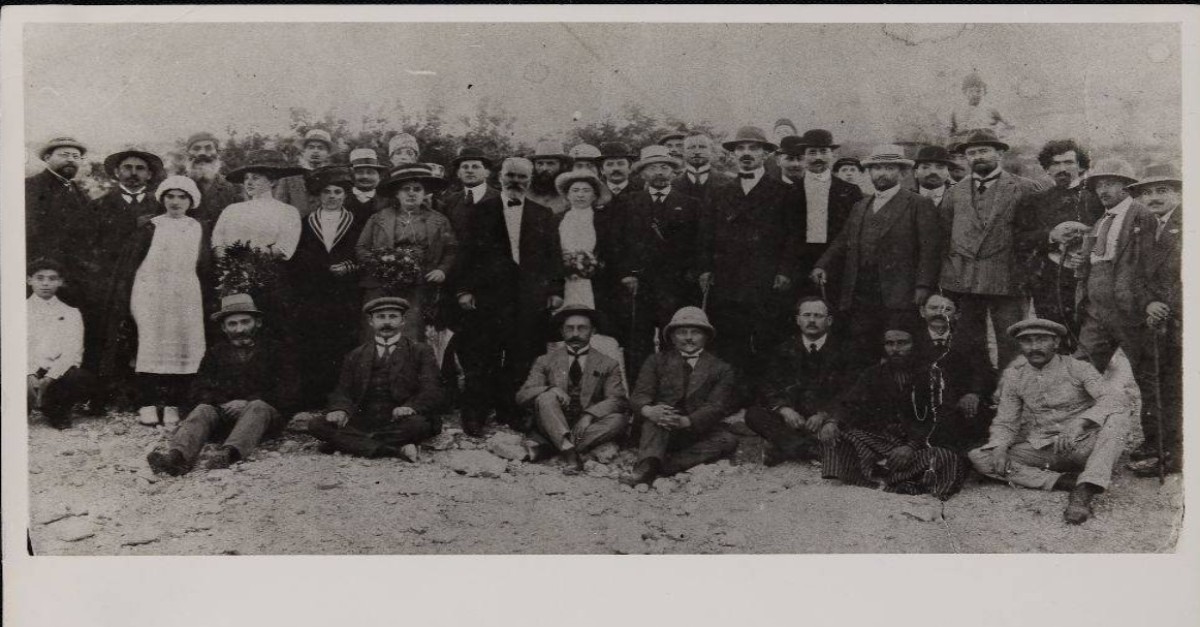
1912: The foundation stone for the Technion is laid in Haifa, under the auspices of the Ottoman Empire.
1924: Technion officially opens.
1928: The first cohort of 17 students graduate.
1935: Students begin arriving from Germany, fleeing the Nazi rise to power.
1939: Students and alums fight the Nazis by serving in the British Corps of Engineers; involved in the movement of trains in the Middle East and Europe, they engage in underground activity.
1945: Chaim Weizmann, then President of the World Zionist Organization and future first president of Israel, visits the Technion for its 20th anniversary.
1963: Technion enrolls students from Nigeria, Kenya, Nepal, and other developing countries. Faculty provide technological assistance to countries worldwide, often through U.N. agencies.
1969: Elscint, the first NASDAQ-traded Israeli company, is established by Technion scientists. Elscint developed and produced the technology behind CT and MRI scans.
1969: Archaeological experts warn that the Western Wall is unstable. Technion’s Faculty of Civil Engineering build the supports that hold it up to this day.
1973: NASA finances Technion’s Prof. Josef Singer, who was working with the US Air Force; his work contributes to the Saturn V rocket and the Apollo space program.
1977: Two Technion researchers, Abraham Lempel and Jacob Ziv, devise an algorithm that can compress computer files without losing data. It has been used by Unix systems, and in ZIP, PDF, TIFF, and GIF files.
1984: Chicago’s Norman and Helen Asher establish Technion’s Space Research Institute. Today, it is the home of Israel’s Satellite Mission Control Center.
1990: Enrollment passes 10,000 students, largely from emigration from the falling Soviet Union.
2009: Iron Dome, developed by Technion alumni, succeeds in first tests. It has since saved countless Israeli lives by shooting incoming missiles out of the sky.
2022: Technion ranks first in Europe in registering patents in the U.S.
In this issue
-
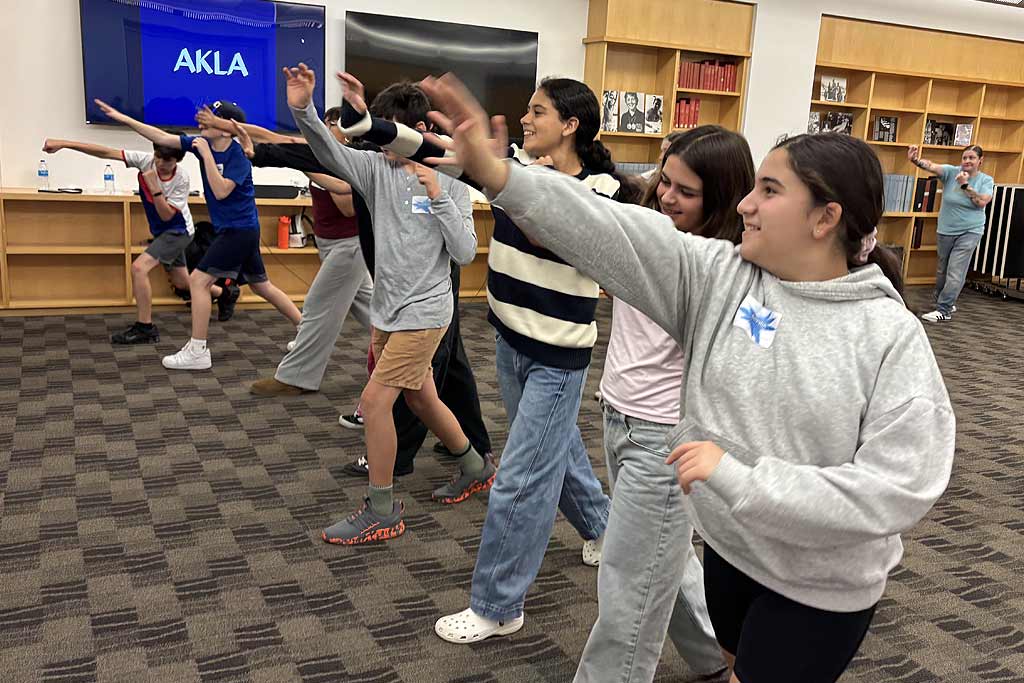
An ‘awesome’ new fellowship for teens
AKLA Chicago will be a free, five-week experiential experience for ages 12–14
Read more -
-