'The devil is in the details'
Ofer Bavly
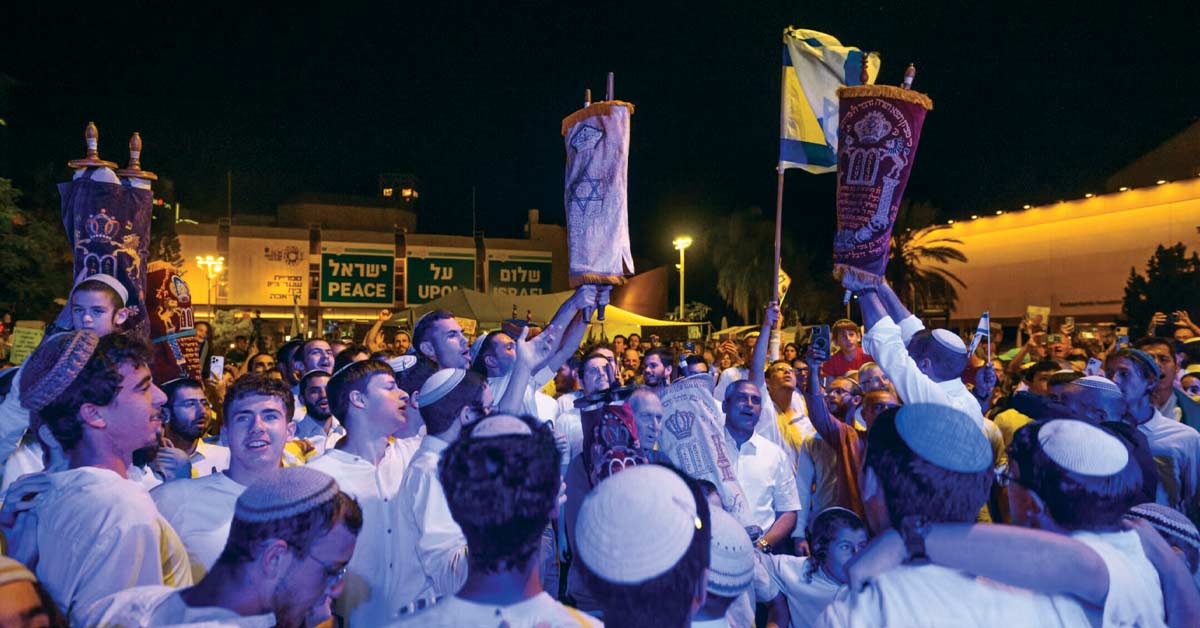
On Simchat Torah 2023, Israel was invaded by thousands of Hamas and “civilians” in the worst massacre in our nation’s history.
On the eve of Simchat Torah 2025, finally, the remaining 20 live hostages were returned home to Israel, along with several slain hostages. At this writing, 189 bodies of hostages remain in Gaza with Hamas claiming not to know their whereabouts.
The U.S. peace plan to end the war and return our hostages is comprehensive, containing 21 points. Other than the hostage release, all other points were left intentionally vague. Even the definition of the war’s end is ambiguous, subject to differing interpretations.
The plan includes many Israeli demands, including Gaza’s demilitarization, Hamas’ disarmament, and its replacement as a ruling entity in Gaza. All are designed to ensure that Israel never again faces a Gaza-based threat. Other parts of the plan include an unlimited supply of humanitarian aid to Gaza and its internationally-supported rehabilitation. The plan doesn’t clearly define what it means by stating that the war in Gaza is, in fact, over.
Although both the plan and President Trump’s Oct. 13 speeches in the Knesset and in Egypt presented his vision for a permanent end to the Arab-Israeli conflict, the devil is in the details which will need to be ironed out over months between Israel and its neighbors.
Although Hamas is largely militarily defeated (as is Hezbollah), and although the Syrian regime has been replaced, and Iran was dealt a major military blow, Israelis still worry that so many of their nearest neighbors are vicious and determined enough, if possible, to repeat October 7. Any future comprehensive peace deal will take a long time to work out and will need to provide Israelis concrete security guarantees.
In the short term, while Hamas maintains control over 47% of Gaza, Israel cannot lay its weapons down. Until the day that Hamas is replaced (and it isn’t at all clear who will replace it), Israel must maintain the highest level of alert. But that entails a contradiction: that vigilance is required to resume normalcy while sustaining that intense level of alertness is itself not exactly normal.
In the long term, Israel must decide whether it wants to be part of a comprehensive peace treaty encompassing the entire Middle East, the entry ticket to which requires compromises that the present government has been unwilling to entertain.
Two factors were instrumental during the war:
One was the moral, military, and international support of both the Biden and Trump administrations. That support was indispensable in defending our people and in striking at Iran, the single biggest threat to Israeli security. Without President Trump’s resolute efforts, hugely appreciated by the vast majority of Israelis, the deal to return our last live hostages would not have been possible and the possibility of ending the war would not be at hand.
The other critical support came from Diaspora Jews. Your extraordinary and steadfast moral and financial assistance was critical to Israelis in their time of need. JUF was a key player in supporting over 100 hundred Israeli non-profits which in turn extended help to thousands of Israelis–whether in the field of mental health or economic resilience–in providing safety gear, in feeding and clothing evacuees, in rehabilitating the community of Nir Oz, and in rebuilding Israel’s north.
JUF was there for Israel in an inspiring manner. In a special note to JUF staff, President Lonnie Nasatir wrote: “Though we all hope that the fighting is over, our work will continue as we do our part to help Israel rebuild, restore, and rehabilitate following the physical and psychological toll of these past two years.” For tens of thousands of Israelis, JUF made a very real difference.
Together, Diaspora Jews and Israelis hope that the remaining dead hostages are returned soon so that they can finally start rebuilding, rehabilitating, healing, and returning to normalcy-or at least our chaotic, blessed version of it.
Ofer Bavly is a JUF Vice President and the Director General of the JUF Israel Office.