The little country that could
Cindy Sher
You can’t help but marvel at the ingenuity of the Israeli people.
Even now–two years since the darkest day in its history–Israel continues to innovate.
Back in 1948, when Israel was founded, “necessity [was] the mother of invention.” The fledgling country faced obstacles presented by geography, security, and a shortage of natural resources, giving it little choice but to get creative. It became “the little country that could.”
So, what Israel lacked in natural resources, it made up for in human resourcefulness, cultivating its talent pool. Miraculously, Israel managed to transform its adversity into a model of resilience, creativity, and entrepreneurial spirit for the world.
Today, Israel, one of the most highly educated countries in the world, invests more than most countries into research and development, and files more patents per capita than most countries. Its focus on STEM education makes it a world-class leader in high-tech, earning it accolades like “The Start-Up Nation” and comparisons to Silicon Valley.
Additionally, its mandatory military service forges the mettle of Israelis who serve, and fosters problem-solving skills that empower them long after their IDF days have ended.
Israel is a world leader in technological and scientific discoveries-even now. With the help of research from Israel21c’s online magazine, here are just a handful of the long list of inventions that were made in Israel.
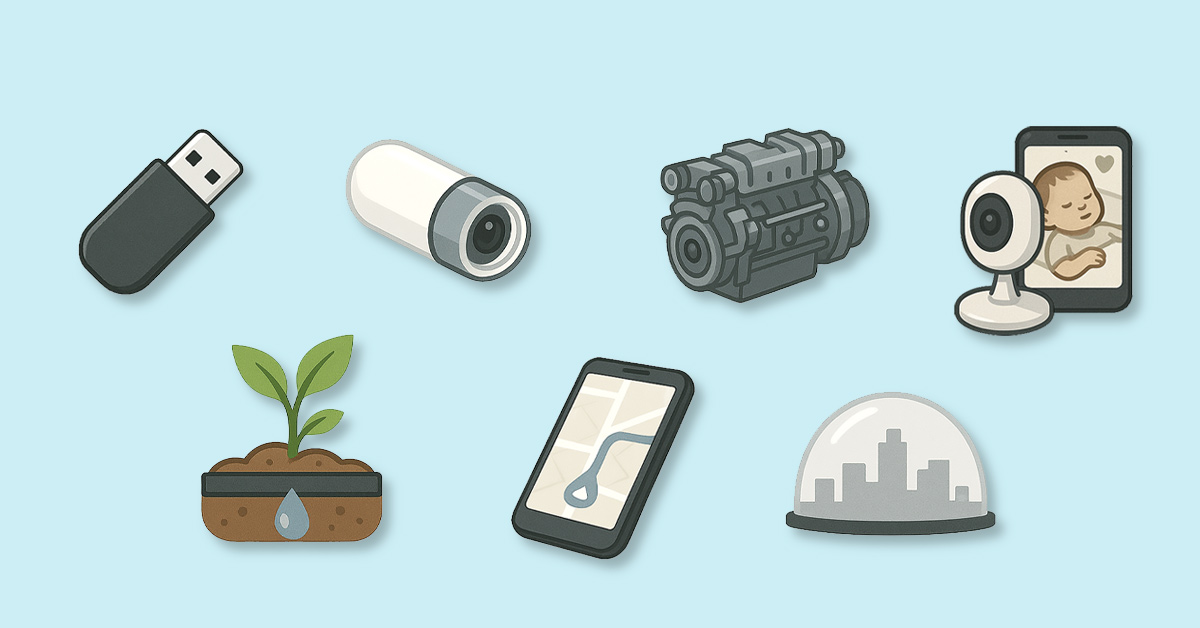
*The USB flash drive: The small, key-like device for easy file transport was a game-changer, replacing the fragile floppy disk.
*Drip irrigation: This method of watering plants delivers water directly to the roots zone, reducing water usage. A world leader in irrigation technology, Israel’s innovations have become a game-changer for those farming in arid conditions around the world.
*PillCam: The pill-sized camera–swallowed by patients to capture images of their gastrointestinal tract–is typically used when other diagnostic methods don’t work.
*Waze: The navigation app, used by frustrated drivers in Chicago and beyond, helps locate roads with less traffic.
*Tour Engine: A patented, green split-cycle internal combustion engine that uses a thermal management system to cut down on fuel consumption and harmful emissions.
*Iron Dome: The short-range missile defense system is a solely defensive tool is used to stop rockets, missiles, and drones from killing people.
*Babysense baby monitor: Designed to prevent SIDS, this was the first baby monitor to track infant vitals without disturbing the baby. The tool uses a sensor pad under the mattress to track the infant’s breathing and movements, sounding an alarm if breathing stops or slows dramatically.
And the list goes on and on.
As we laud the technological and scientific discoveries in Israel in our October issue, we’ll explore the broader topic of science, innovation, and technology through a Jewish lens, from Jewish-themed apps to the ethical questions AI raises.
Also, in the October issue, we commemorate the second anniversary of October 7, sharing stories of Israelis and Chicagoans who have spent these past two years chasing away the darkness with light:
The love story of two freed hostages, now engaged to be married. Israeli teens visiting Chicago, and Camp Ramah in Wisconsin to reclaim some of the joy and innocence stolen from them on October 7. An extraordinary IDF veteran, born a year after Israeli independence, who refused to let his 74 years stop him from reenlisting when his country needed him most.
Even as we remember that dark day, and the shadow it still casts today, may these stories spark in you healing, hope, and light. Like the little country that could, we think they can.