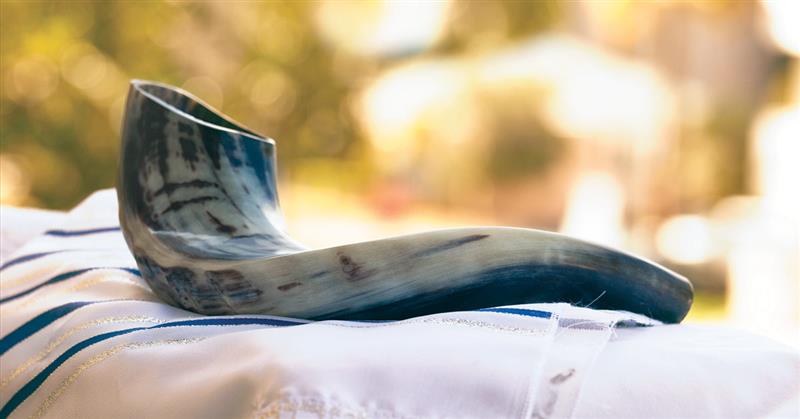
The shofar’s cry:
RABBI RACHEL KAPLAN MARKS
One long note: Tekiah- We were whole.
A trail of broken notes: Shevarim-Teruah- We became broken.
One long note: Tekiah again-Maybe, just maybe, we can move back toward wholeness.
The shofar, a simple ram’s horn, remains unchanged through the generations. Without valves or keys, its pitch cannot be altered. Its wordless shout pierces through the layers of our armor: our logic, our composure, our polite restraint.
It is a sound that defies explanation. At once, it is a battle cry, a joyous herald of the new moon… and a broken, primal sob. The shofar’s raw tones connect us through time and space to the undifferentiated Divine.
Our tradition traces the shofar’s origins to a legend at the dawn of Creation. As the sixth day drew to a close and Shabbat approached, G-d fashioned ten unique things the Jewish people would one day need. Among them was a ram-the one that appeared on Mount Moriah at the moment Abraham was poised to sacrifice his beloved son Isaac. At the last instant, God called out, “Do not raise your hand against the boy.” Abraham lifted his eyes and saw the ram, caught in the thicket by its horns. He offered it instead.
When we sound the shofar, we recall that primordial ram. We pray that G-d, hearing its blast, will remember Abraham’s willingness and act compassionately toward his descendants.
But the shofar’s broken notes also carry another, more human memory. Tradition links Shevarim and Teruah, the sobbing, staccato cries, to our matriarch Sarah. A midrash tells that upon hearing from the Adversary (in the Talmud called “HaSatan”) that her husband had taken Isaac to be sacrificed, Sarah began to cry a primal cry. Before she could hear the end of the story-that Isaac had been spared-her soul left her body. The sound of her weeping lives on in the shofar’s broken blasts.
Sarah is not alone. Our sages also connect the shofar’s sobs to Sisera’s mother. In the Song of Deborah, she peers through a window, wondering why her son, the Canaanite general who had oppressed Israel for 20 years, has not returned from battle. We, reading the story, know he has been killed. Perhaps she does too. The women around her offer false comfort, but her heart knows, and she cries out. Tradition teaches that her sobs inspired the hundred shofar blasts sounded each Rosh Hashanah. How remarkable that our liturgy preserves the grief of the mother of Israel’s enemy.
The shofar, though particular to the Jewish people, channels a universal sound: the cry of every bereaved parent. Its primal notes transcend words and even allegiance, echoing both Sarah’s brokenness and Sisera’s mother’s pain.
Why do we listen to this cry each year? Because it calls us to compassion. It reminds us that human sorrow knows no borders. It insists that we remember the brokenness of the world, and believe that wholeness is still possible.
Our tradition carries this hope from the very beginning. The legend says that the left horn of Abraham’s ram became the shofar sounded at Sinai, when heaven touched earth in covenant. The right horn will be sounded in the future, to herald the age of redemption. Since Creation, the shofar has sounded both the memory of heartbreak and the promise of repair.
So when we hear the shofar this year, may we let its sobs break our hearts open, and its long, steady notes remind us of our capacity to heal.
Tekiah, Shevarim-Teruah, Tekiah: We were whole, we became broken, maybe we can move toward wholeness once again.
Rabbi Rachel Kaplan Marks serves as the Rabbi of Temple Beth El in Skokie.
In this issue
-
This Passover, four more questions
The youngest guests at our seders will likely ask the four traditional questions, but here are four other questions to chew on over matzah this holiday.
Read more -
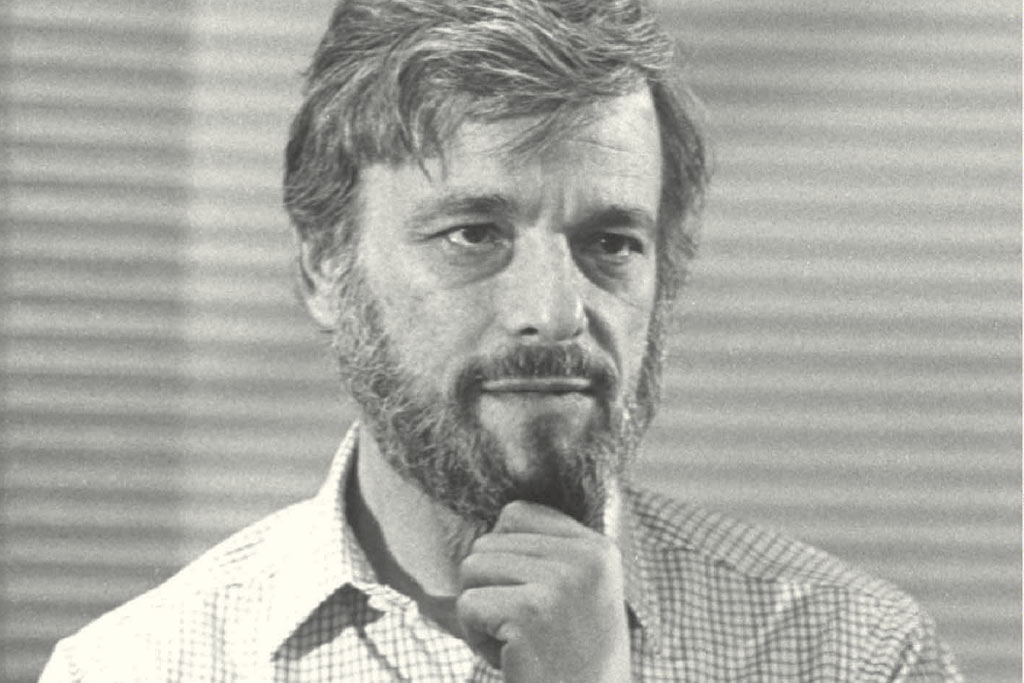
New Stephen Sondheim biography details the towering figure
‘Walking encyclopedia of musical theater’: New Stephen Sondheim biography details the towering figure
Read more -
Celebrating spring and a crop of new productions
A celebration of Passover, warmer weather, and a crop of new productions
Read more