The surprising benefits of public grief
Elyssa Kaufman
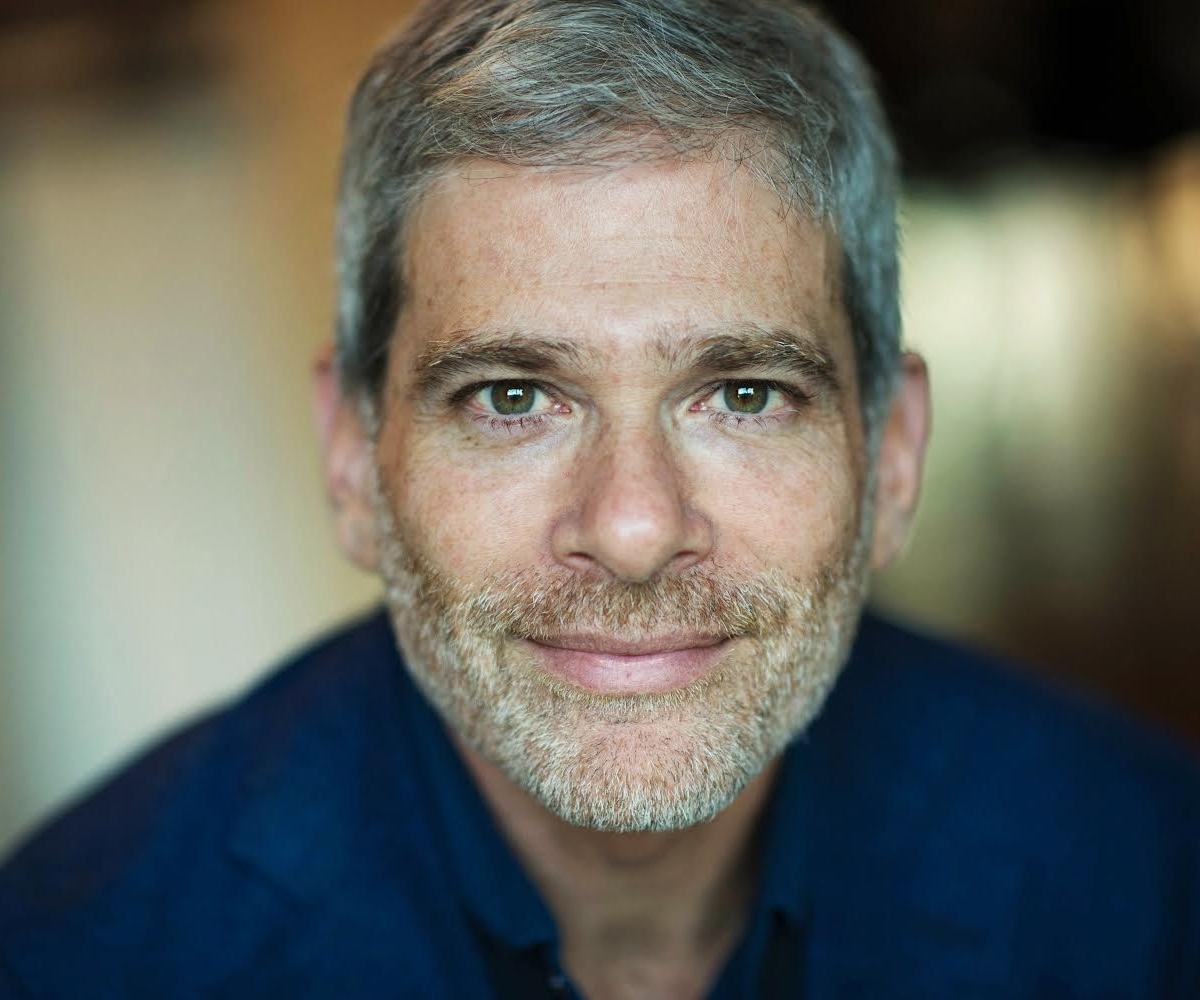
Cancer has touched the lives of so many, especially, in the Jewish community. Author Jason B. Rosenthal knows firsthand the life-long impacts of cancer. He lost his wife, Amy Krouse Rosenthal, to ovarian cancer in 2017.
Amy was known for her bestselling children’s books and viral New York Times “Modern Love” column, “You May Want to Marry My Husband.” Her powerful article led Jason to pen his book, My Wife Said You May Want to Marry Me , his inspiring memoir of life, love, loss, and new beginnings.
On Thursday, Nov. 7, Rosenthal will join genetics expert Dr. Shari Snow at the Norton & Elaine Sarnoff Center for Jewish Genetics “Evening of Inspiration & Empowerment” to discuss various cancers disproportionately affecting the Jewish community. People of Ashkenazi descent have higher risk for developing the BRCA gene mutation, according to the Center for Disease Control.
The evening will be presented in partnership with the Jewish Women’s Foundation, JUF Women’s Philanthropy, and the Amy Krouse Rosenthal Foundation. To learn more or to register for the event, please visit tinyurl.com/sarnoffrosenthal.
***
Rosenthal recently sat down for an interview with Jewish Chicago to talk about grief, family, and moving forward.
Q. Why did you write the memoir?
A. When I gave my TED talk in 2018, the immediate reaction was positive beyond what I ever anticipated. People from all over the world thanked me for talking so candidly about a topic that is taboo in most circles. In the United States, we have a tough time talking about the end of life and all the many complications that come with it. So, I began to find my voice and talk and write about what it was like to be with someone you love at the end of their life.
You and your wife shared your story very publicly. How has that publicity impacted your grieving process?
Honestly, it affected my grieving process in every way. I am blessed to have a wonderful family and a supportive and loving community of friends, which were key to getting through the roughest parts of the process. However, the public nature of my grieving process was totally unexpected. The beauty of it was (and remains) that I was able to connect on a deep level with people from all corners of the globe. I was able to share my story of loss and gain a better understanding of the process of grief and loss from other people’s experiences. Sharing stories, as difficult as that may sound, brings people closer.
What is your advice for anyone in treatment for cancer or grieving a loved one?
When a family learns of a life-threatening diagnosis, there are complicated questions relating to carrying on with life, but also facing the anticipation of death and loss. It takes a certain amount of resilience in the face of anxiety, sadness, and worry. Many families face exhausting caregiving, financial strain, and putting on hold all other aspects of life.
I recommend getting the best advice from the most competent providers you can find. Be hopeful, but be honest with yourself and your family about the facts. Grieving losses as they come, and they will, is a positive experience for both the person affected and those who will be here when they are gone. Having deep, honest conversations about all aspects of life and death are vital. Also, for caregivers, as hard as it sounds, practice self-care. This is a very stressful time for the entire family.
Elyssa Kaufman is a Digital News Producer at CBS Chicago.
In this issue
-
An ‘awesome’ new fellowship for teens
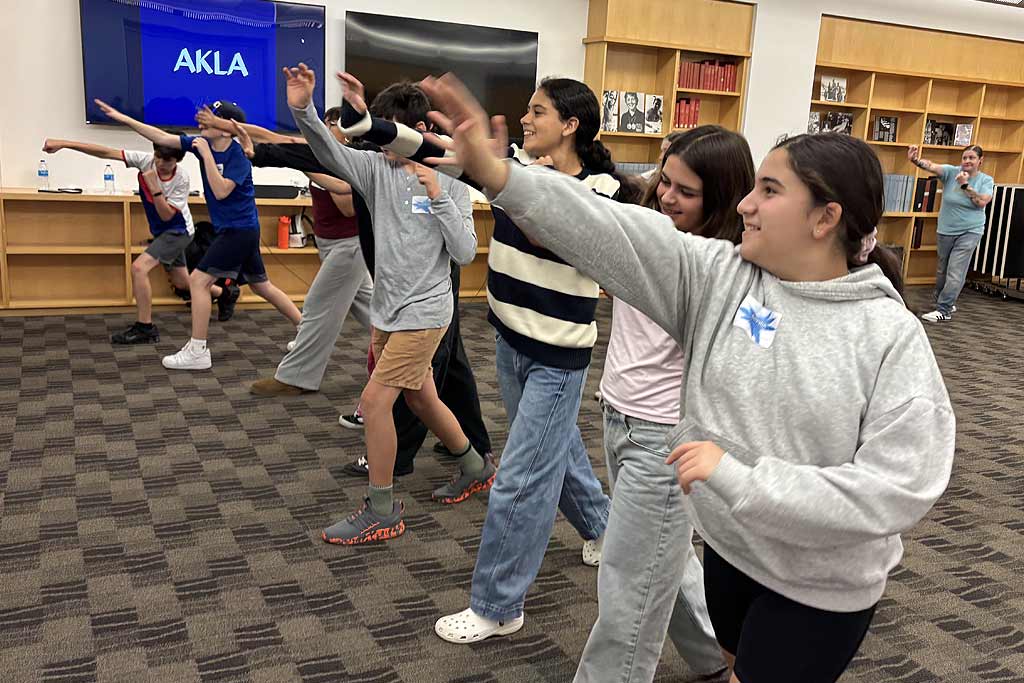
AKLA Chicago will be a free, five-week experiential experience for ages 12–14
Read more -
-