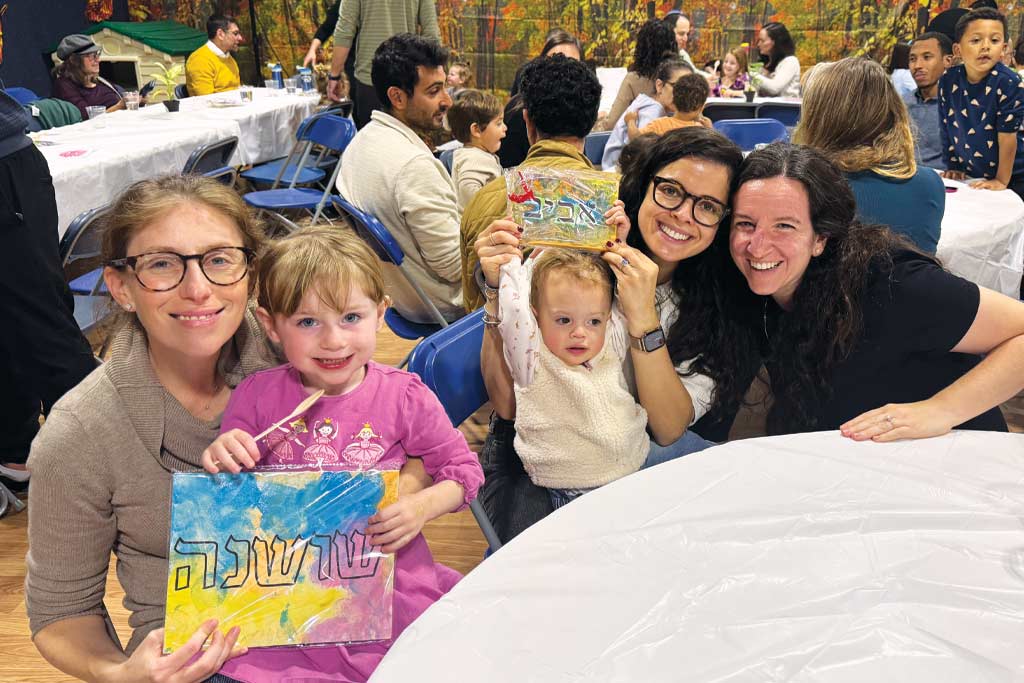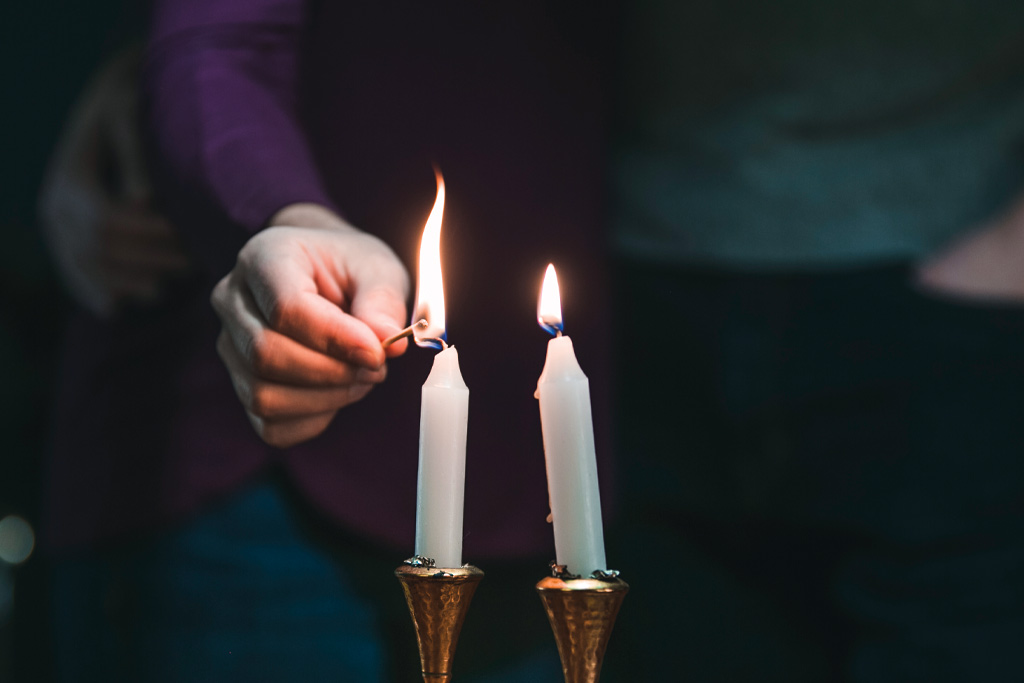
Every girl remembers her first sleepover, staying up all night and talking to friends about nothing and everything until they fall asleep. Some may remember the first time somebody broke their heart, and they leaned on their friends (and ice cream). Through every stage of life, women can remember the women who were with them and who got them through it all.
Throughout Jewish history, female friendship has been key to women’s survival. In the Book of Judges, Devorah’s bond with Yael was integral to their story. Although it is not clear if they were friends, their combined efforts defeated the Canaanite King Sisera, showing that women can conquer anything.
Female friendship in Jewish stories has been even more prevalent in recent times. Former hostages Emily Damari and Romi Gonen were strangers before they were held captive together. During their 15 months in Gaza, they formed a friendship. Since their release, they have been inseparable, even having surgeries together; they say they wouldn’t have made it out alive without each other. Other former hostages—Liri Albag, Agam Berger, Daniella Gilboa, Naama Levy, and Karina Ariev—have similar stories. They all leaned on each other’s strengths to survive, as Jewish women have been doing for centuries.
Even in pop culture, Jewish women are often portrayed as loyal friends. In the show Nobody Wants This, Esther is mean to Joanne. Her motivation? Esther is being protective of her best friend, Rachel, who dated Noah, before Joanne did. Every single Jewish girl would defend their best friend.
For many of us, our mom’s friends served as surrogate mothers, and we passed that tradition on to our children by instilling the importance of loyalty to their friends.
The Nurses’ Health Study at Harvard Medical School found that women with tight-knit social networks are less likely to develop health problems as they age. And “The Tend and Befriend Theory,” developed at UCLA, found that regular phone calls and girls’ nights have many health benefits, showing that women who endure hardships but have strong female friendships even live longer than women with none.
Going away to college, moving cities, getting married, and having kids, we gain new friends. All of the women we surround ourselves with are special. We shouldn’t let the timing of our friendships define them.
In Pirkei Avot 1:6 it states, “Joshua ben Perahiah used to say: ‘appoint for thyself a teacher, and acquire for thyself a companion; judge all with the scale weighted in their favor.’” Jewish texts have a way of leading us to healthier, more fulfilling lives. Find yourself a good friend, and, in return, be a non-judgmental friend—and you will live longer and happier.
Throughout history and today, female friendship is vital to success. Whether we are strangers, new acquaintances, or old friends, we must lean on each other to get through it all.
Dana Fine is an acupuncturist in Glenview. She is also the author of the children’s book Finding Balance.