Watch words
PAUL WIEDER
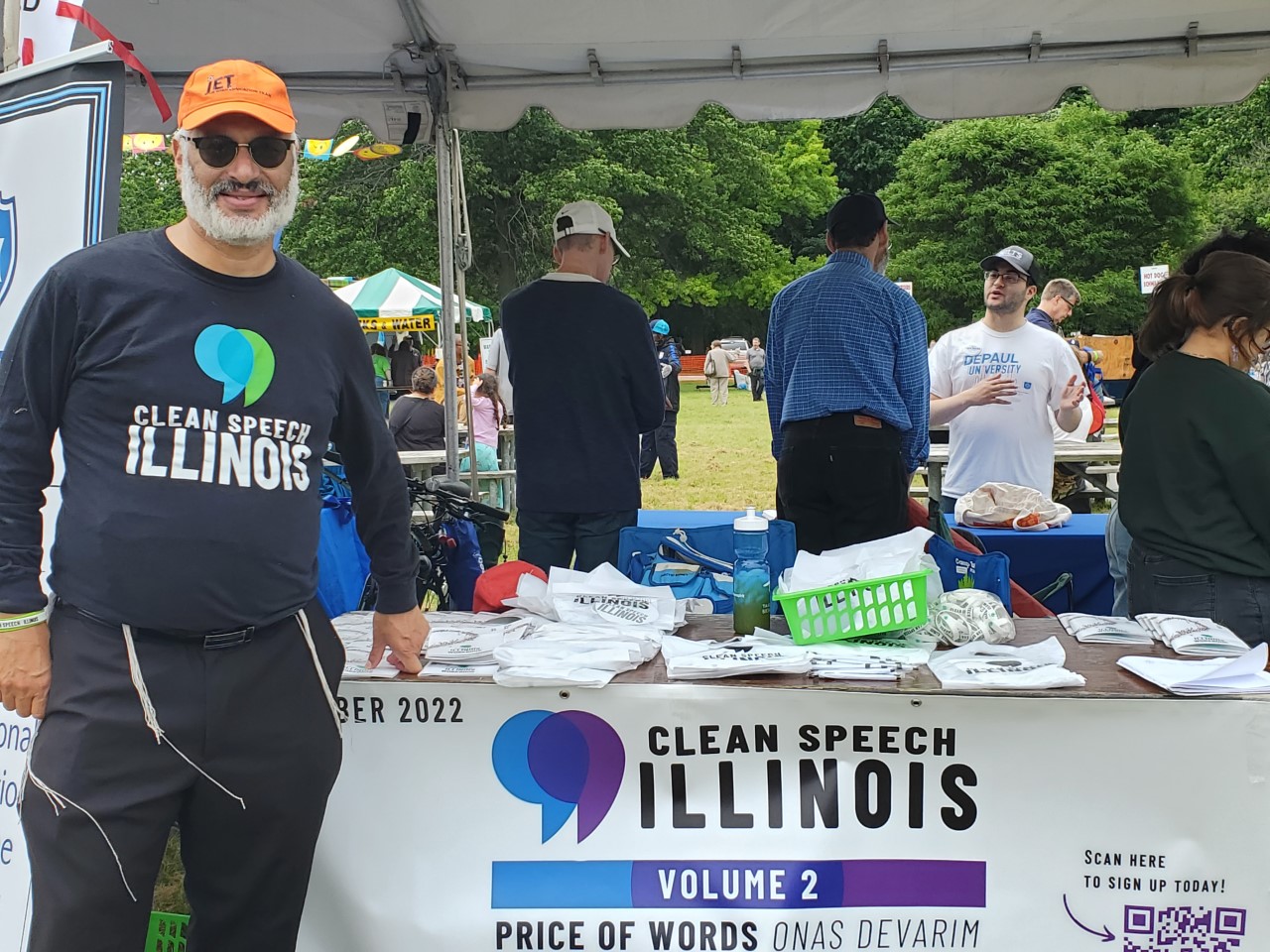
Last year, tens of thousands across Illinois got free lessons in speaking more thoughtfully, thanks to the Clean Speech Illinois project. The lessons came in booklets (like the one included with this month’s print edition), videos, e-mails, and in-person seminars across the state.
This year, Clean Speech is back, focused on a different interpersonal communication issue.
“Last year’s Clean Speech Illinois campaign addressed lashon hara-hurtful words said about a third party who is not present,” said Rabbi Zev Kahn, the program’s director. “This year’s focus is on onas devarim-verbal mistreatment of the person with whom you are speaking.”
Kahn explains the shift: “We are returning to in-person interaction, but we have fallen out of practice during the pandemic, and need to re-learn some of these skills.”
The booklet and video series present an aspect of the onas devarim issue each day, over the course of 30 days. This allows participants to absorb and integrate the lessons at their own pace.
Clean Speech hopes to build on last year’s success, with some 40,000 workbooks delivered to homes throughout Illinois, more than 13,500 views of their videos, and more than 63,000 social media interactions.
Shira Winner and Rivki Pisem volunteer as Clean Speech’s program managers, and helped expand the project to Illinois from its birthplace in Denver; it’s now available in six states. It was Pisem’s cousin in Colorado who first told her about the initiative.
“We are proud to have helped Chicago become the first major city the program has expanded into,” Pisem said. “The objective is to increase the peace between people. We struggle with this issue-in politics, in the workplace, on social media. The feedback has been so empowering. We reached more people than expected in our first year, and this year want to reach even more.”
Winner, who has known Pisem since grade school, agrees. “We are taught about the problem of hateful speech once a year, on Tisha B’Av. But why not the rest of the year?” Winner said. “I find [Clean Speech] a very spiritual undertaking- to raise awareness that we have become less inhibited and more desensitized. The Internet has been part of this, and also made our words reach farther than ever. We respond by shining the light of Torah’s wisdom on the power of our words.”
Participants overwhelming agreed that the project was personally helpful, Kahn reported. “We received so much feedback, that the lessons about being more mindful of our words were transformational,” he said. “Over 80% of participants noticed a change in the way they speak as a result of the 30-day challenge.” Further, they unanimously replied that the process gave them an increased awareness of their speech patterns.
Some 3,500 students in grades 1-12 participated in Clean Speech seminars across Illinois- including Adi Gryka, a 7th grader at Hillel Torah North Suburban Day School. Her mother, Sarah, teaches middle-school math there. And her father, Bryan, is executive chef and general manager at Milt’s Barbecue for the Perplexed, which supports a different charity each month. He was so impressed by their discussion of the program that he made Clean Speech Illinois the restaurant’s November charity.
The program has no political agenda whatsoever, said Kahn. In fact, it is in part a response to the divisive rhetoric in today’s public discourse. The project’s stated goal is “uniting us in the practice of Jewish mindful speech.”
“Speaking is the single most common activity of our lives-except for breathing,” Kahn said. “The better we are at it, the better our lives will be. It’s that simple.”
To learn more and participate, visit cleanspeech.com/Illinois . Also, check out the booklet on Clean Speech Illinois in this issue of the magazine.