‘We understand the soul of the stranger for we ourselves have been strangers’
RABBI STEVEN PHILP
One of the first times I felt like a whole person was at Kabbalat Shabbat. As a person of faith and queer man, these identities were rarely allowed to coexist in the same space. Yet there I was sitting on a plastic folding chair in the gym of the local JCC, fully embraced in my wholeness of self. From the pamphlets at the entrance to the words offered by the rabbi, the message was unequivocal: everyone was welcome. I finally understood the meaning of being created b’tzelem Elohim , in the divine image–not perfect or infallible, but an individual born to be exactly who I was meant to be. It was a revelatory experience, an echo of what Jacob must have felt when he woke up amidst the rocks and shrubs of an otherwise unremarkable landscape and exclaimed, “Surely god is present in this place, yet I did not know it.” He stumbled on this insight in the desert. I found it in a gymnasium.
It is a sad fact that we live in a world that so often operates contrary to the truth that all people, as reflections of the divine image, deserve to be treated with dignity. Less than a month into the new year, over 70 anti-LGBTQ+ bills have been introduced in state legislatures across the country. They include the criminalization of gender affirming care, bans on teaching about LGBTQ+ issues in schools, the forced outing of children by their teachers to their families, and barring drag queens from performing in public spaces. From Oregon to Virginia, Texas to Indiana, these bills foment fear and hatred of LGBTQ+ people. Regardless of whether they become enshrined as law, they create a hostile rhetoric about and against real human beings. Our tradition teaches that life and death are in the power of the tongue. Words can have deadly consequences, a lesson made clear in the five murdered and 19 injured at a gay bar in Colorado Springs this past November.
Jews have long stood on the vanguard of civil rights in this country. I believe it is one of the most remarkable and ingenious aspects of our tradition: to take the wounds of the past and turn them into our greatest source of strength and compassion. We stand by the marginalized because we know exactly what it is like to suffer oppression by those in power. Or, more biblically, we understand the soul of the stranger for we ourselves have been strangers. We should be proud that our communities have been some of the first to welcome and embrace LGBTQ+ people. Yet we need to do more.
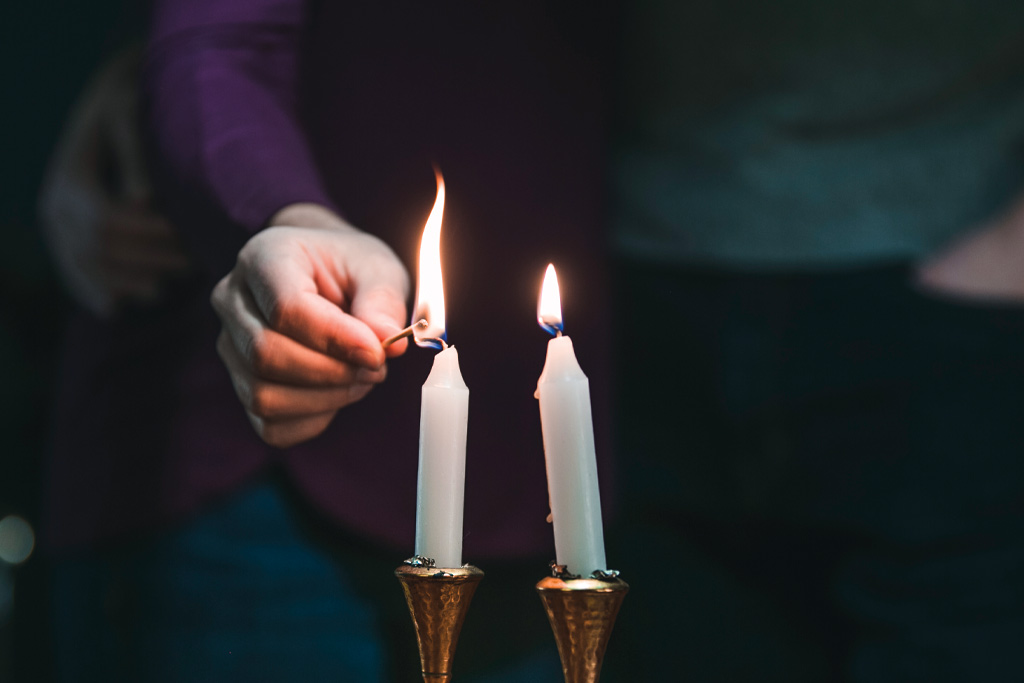
This past Chanukah, my community hosted a gathering for LGBTQ+ folks to eat, socialize, and light the candles of the hanukkiah together. It was a simple and celebratory evening, nothing that would make this a notable event–and yet, we reached capacity. Speaking to people in the room, it became clear that the darkness of rising antisemitism, homophobia, and transphobia weighed heavily on them. Yet as we sang the blessing of Chanukah together, it was also evident that this gathering–and the acceptance, love, and joy found within it–was a light sufficient to help us find our way through this dark time. Perhaps God was here all along. We just needed some help from each other to realize it.
We no longer have the convenience of passive acceptance. However, there is something that each of us can do. Just like those small flames of the hanukkiah which push away the darkness, our words and our actions matter. Whether we are part of a synagogue, a school, a community center, or any other organization we need to ask ourselves: what can we do not only to welcome and accept, but affirm and uplift our LGBTQ+ siblings? There are countless resources to help us create safe and celebratory spaces for all people. You can count me among them.
When presented with the choice of tolerating harm or protecting life, our tradition is unequivocal: we choose life. Let us choose life together.
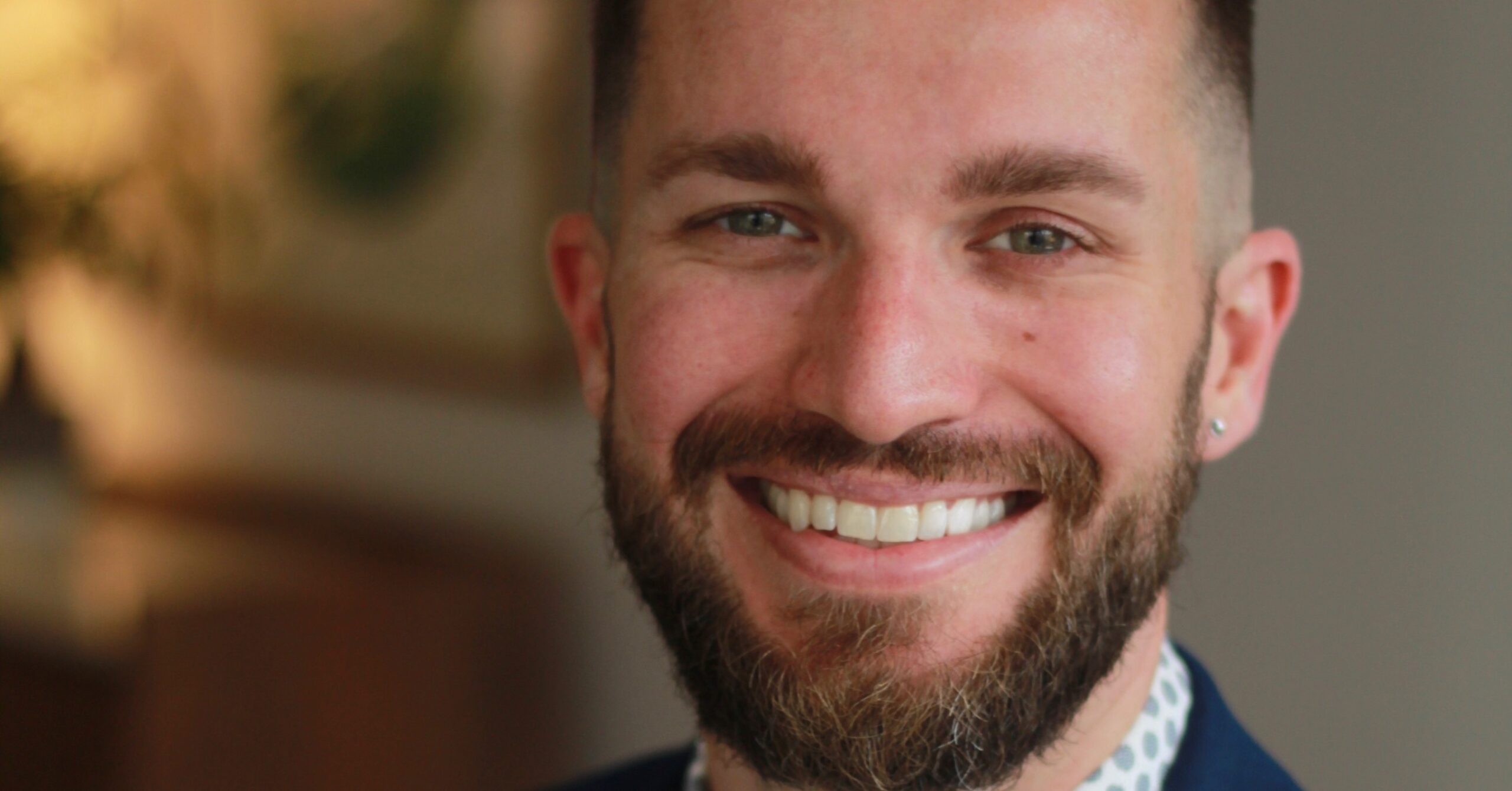
Rabbi Steven Philp is Associate Rabbi of Mishkan Chicago.